Blog
Why Live with Pain and Numbness in Your Feet?

Suffering from this type of pain? You may have the foot condition known as Morton's neuroma. Morton's neuroma may develop as a result of ill-fitting footwear and existing foot deformities. We can help.
Managing Episodes of Gout

Gout is a painful form of arthritis caused by a buildup of uric acid crystals in the joints, most commonly in the big toe. Flare-ups can be triggered by diet, dehydration, alcohol, certain medications, or underlying health conditions like kidney disease. Consuming red meat, shellfish, sugary drinks, and alcohol, especially beer, are known to increase uric acid levels. Symptoms of gout include sudden, intense joint pain, swelling, redness, and warmth in the affected area. The pain often strikes at night and can be so severe that even a bedsheet touching the toe feels unbearable. A podiatrist plays a key role in diagnosing and managing gout. They can confirm the condition through physical exams, imaging, or lab tests, and recommend personalized treatment plans including medication, dietary changes, and lifestyle adjustments to prevent future flare-ups. If you have painful gout, it is suggested that you are under the care of a podiatrist.
Gout is a foot condition that requires certain treatment and care. If you are seeking treatment, contact Dr. Kendall Blackwell from InStride Wilson Podiatry Associates. Our doctor will treat your foot and ankle needs.
What Is Gout?
Gout is a type of arthritis caused by a buildup of uric acid in the bloodstream. It often develops in the foot, especially the big toe area, although it can manifest in other parts of the body as well. Gout can make walking and standing very painful and is especially common in diabetics and the obese.
People typically get gout because of a poor diet. Genetic predisposition is also a factor. The children of parents who have had gout frequently have a chance of developing it themselves.
Gout can easily be identified by redness and inflammation of the big toe and the surrounding areas of the foot. Other symptoms include extreme fatigue, joint pain, and running high fevers. Sometimes corticosteroid drugs can be prescribed to treat gout, but the best way to combat this disease is to get more exercise and eat a better diet.
If you have any questions please feel free to contact our office located in Wilson, NC . We offer the newest diagnostic and treatment technologies for all your foot and ankle needs.
Deciding What to Do About a Bunion
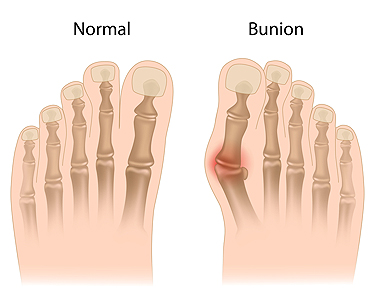
A bunion, or hallux valgus, is a bony bump that forms at the base of the big toe, often causing the toe to lean inward. This condition can lead to pain, swelling, and difficulty wearing shoes. For mild cases, simple changes like wearing wider shoes and using padding or toe spacers can provide relief. Custom orthotics may also help by reducing pressure on the joint and slowing the bunion’s progression. When symptoms worsen or interfere with daily life, surgery may be considered to correct the alignment and relieve discomfort. Each case is different, and treatment depends on the severity of the bunion, activity level, and how much pain it causes. Waiting and watching may work for some, while others benefit from early support or surgical correction. If you have a bunion that is becoming painful or limiting your mobility, it is suggested that you see a podiatrist.
If you are suffering from bunions, contact Dr. Kendall Blackwell of InStride Wilson Podiatry Associates. Our doctor can provide the care you need to keep you pain-free and on your feet.
What Is a Bunion?
A bunion is formed of swollen tissue or an enlargement of boney growth, usually located at the base joint of the toe that connects to the foot. The swelling occurs due to the bones in the big toe shifting inward, which impacts the other toes of the foot. This causes the area around the base of the big toe to become inflamed and painful.
Why Do Bunions Form?
Genetics – Susceptibility to bunions are often hereditary
Stress on the feet – Poorly fitted and uncomfortable footwear that places stress on feet, such as heels, can worsen existing bunions
How Are Bunions Diagnosed?
Doctors often perform two tests – blood tests and x-rays – when trying to diagnose bunions, especially in the early stages of development. Blood tests help determine if the foot pain is being caused by something else, such as arthritis, while x-rays provide a clear picture of your bone structure to your doctor.
How Are Bunions Treated?
- Refrain from wearing heels or similar shoes that cause discomfort
- Select wider shoes that can provide more comfort and reduce pain
- Anti-inflammatory and pain management drugs
- Orthotics or foot inserts
- Surgery
If you have any questions, please feel free to contact our office located in Wilson, NC . We offer the newest diagnostic and treatment technologies for all your foot care needs.
When Athlete’s Foot Does Not Go Away

Athlete’s foot is a fungal infection that causes itching, redness, and peeling, usually between the toes or on the soles. Most cases respond well to mild antifungal creams, sprays, or powders. However, if symptoms continue for weeks or return often, the infection may be more serious or resistant to treatment. In some cases, what looks like athlete’s foot may be another condition, such as eczema or psoriasis, and needs a different approach. Poor foot hygiene, wearing tight shoes, and damp environments can also make healing harder. A podiatrist can confirm the diagnosis through a simple test and may prescribe stronger medications or check for other skin problems. Early attention can prevent the infection from spreading or becoming chronic. If you have athlete’s foot that does not improve, it is suggested that you see a podiatrist for a proper diagnosis and appropriate treatment.
Athlete’s foot is an inconvenient condition that can be easily reduced with the proper treatment. If you have any concerns about your feet and ankles, contact Dr. Kendall Blackwell from InStride Wilson Podiatry Associates. Our doctor will treat your foot and ankle needs.
Athlete’s Foot: The Sole Story
Athlete's foot, also known as tinea pedis, can be an extremely contagious foot infection. It is commonly contracted in public changing areas and bathrooms, dormitory style living quarters, around locker rooms and public swimming pools, or anywhere your feet often come into contact with other people.
Solutions to Combat Athlete’s Foot
- Hydrate your feet by using lotion
- Exfoliate
- Buff off nails
- Use of anti-fungal products
- Examine your feet and visit your doctor if any suspicious blisters or cuts develop
Athlete’s foot can cause many irritating symptoms such as dry and flaking skin, itching, and redness. Some more severe symptoms can include bleeding and cracked skin, intense itching and burning, and even pain when walking. In the worst cases, Athlete’s foot can cause blistering as well. Speak to your podiatrist for a better understanding of the different causes of Athlete’s foot, as well as help in determining which treatment options are best for you.
If you have any questions please feel free to contact our office located in Wilson, NC . We offer the newest diagnostic and treatment technologies for all your foot and ankle needs.
Causes of Sudden Foot Pain While Walking

Experiencing sudden foot pain while walking can be alarming and may result from several conditions. Plantar fasciitis is a common cause, involving inflammation of the tissue that supports the arch, leading to sharp pain in the heel or sole. Calluses, which develop from friction and pressure, can create discomfort with each step. Metatarsalgia, a condition affecting the ball of the foot, causes aching or burning pain due to excessive stress on the metatarsal bones. Morton's neuroma, a thickening of tissue around a nerve between the toes, can result in a sharp, tingling sensation. Wearing supportive footwear, using cushioned insoles, and avoiding excessive pressure can help manage symptoms. If you have persistent or worsening pain, it is suggested that you visit a podiatrist who can determine what the cause is, and offer appropriate treatment solutions.
Foot Pain
Foot pain can be extremely painful and debilitating. If you have a foot pain, consult with Dr. Kendall Blackwell from InStride Wilson Podiatry Associates. Our doctor will assess your condition and provide you with quality foot and ankle treatment.
Causes
Foot pain is a very broad condition that could be caused by one or more ailments. The most common include:
- Bunions
- Hammertoes
- Plantar Fasciitis
- Bone Spurs
- Corns
- Tarsal Tunnel Syndrome
- Ingrown Toenails
- Arthritis (such as Gout, Rheumatoid, and Osteoarthritis)
- Flat Feet
- Injury (from stress fractures, broken toe, foot, ankle, Achilles tendon ruptures, and sprains)
- And more
Diagnosis
To figure out the cause of foot pain, podiatrists utilize several different methods. This can range from simple visual inspections and sensation tests to X-rays and MRI scans. Prior medical history, family medical history, and any recent physical traumatic events will all be taken into consideration for a proper diagnosis.
Treatment
Treatment depends upon the cause of the foot pain. Whether it is resting, staying off the foot, or having surgery; podiatrists have a number of treatment options available for foot pain.
If you have any questions, please feel free to contact our office located in Wilson, NC . We offer the newest diagnostic and treatment technologies for all your foot care needs.
Finding Answers for Chronic Ankle Pain
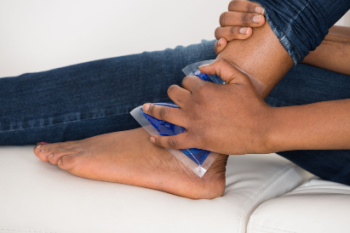
Ongoing ankle pain can limit your mobility and affect your quality of life. Whether it stems from a past injury, arthritis, or an underlying condition, chronic ankle pain deserves careful evaluation and treatment. Diagnosis begins with a thorough history and physical exam. A podiatrist will assess your ankle’s range of motion, stability, and areas of tenderness. Imaging studies, like X-rays, an MRI scan, or an ultrasound, often help identify issues such as ligament damage, arthritis, or cartilage injuries. Sometimes, chronic pain results from old sprains that have never fully healed or conditions like tendonitis or nerve entrapment. Treatment depends on the cause. Non-surgical options may include targeted exercises to strengthen and stabilize the joint, custom orthotics, bracing, or injections to reduce inflammation. In more severe cases, surgery may be considered to repair damaged structures or correct alignment issues. If ankle pain is interfering with your life, it is suggested that you schedule an appointment with a podiatrist for a thorough evaluation and customized treatment plan.
Ankle pain can be caused by a number of problems and may be potentially serious. If you have ankle pain, consult with Dr. Kendall Blackwell from InStride Wilson Podiatry Associates. Our doctor will assess your condition and provide you with quality foot and ankle treatment.
Ankle pain is any condition that causes pain in the ankle. Due to the fact that the ankle consists of tendons, muscles, bones, and ligaments, ankle pain can come from a number of different conditions.
Causes
The most common causes of ankle pain include:
- Types of arthritis (rheumatoid, osteoarthritis, and gout)
- Ankle sprains
- Broken ankles
- Achilles tendonitis
- Achilles tendon rupture
- Stress fractures
- Bursitis
- Tarsal tunnel syndrome
- Plantar fasciitis
Symptoms
Symptoms of ankle injury vary based upon the condition. Pain may include general pain and discomfort, swelling, aching, redness, bruising, burning or stabbing sensations, and/or loss of sensation.
Diagnosis
Due to the wide variety of potential causes of ankle pain, podiatrists will utilize a number of different methods to properly diagnose ankle pain. This can include asking for personal and family medical histories and of any recent injuries. Further diagnosis may include sensation tests, a physical examination, and potentially x-rays or other imaging tests.
Treatment
Just as the range of causes varies widely, so do treatments. Some more common treatments are rest, ice packs, keeping pressure off the foot, orthotics and braces, medication for inflammation and pain, and surgery.
If you have any questions, please feel free to contact our office located in Wilson, NC . We offer the newest diagnostic and treatment technologies for all your foot care needs.
Do Your Child's Feet Hurt?

Have your child's feet been examined lately? Healthy feet are happy feet. If your child is complaining of foot pain, it may be a sign of underlying problems.
Managing Your Flat Feet
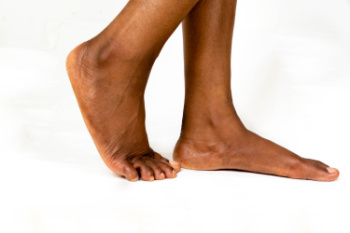
Flat feet occur when the arches of the feet collapse, causing the entire sole to make contact with the ground. This condition can lead to pain and discomfort, especially in the arch, heel, or knees. Symptoms also include swelling, fatigue, or stiffness in the feet, particularly after long periods of standing or physical activity. Flat feet can be caused by genetics, injury, or age, and may worsen over time. This condition can also contribute to misalignment, causing pain in the lower back, hips, or knees. A podiatrist can help by assessing your feet and recommending treatment options, such as custom orthotics to provide better arch support. This type of doctor may also suggest stretching and strengthening exercises to improve foot alignment and relieve discomfort. In more severe cases, surgery may be necessary. If you have flat feet, it is suggested that you schedule an appointment with a podiatrist.
Flatfoot is a condition many people suffer from. If you have flat feet, contact Dr. Kendall Blackwell from InStride Wilson Podiatry Associates. Our doctor will treat your foot and ankle needs.
What Are Flat Feet?
Flatfoot is a condition in which the arch of the foot is depressed and the sole of the foot is almost completely in contact with the ground. About 20-30% of the population generally has flat feet because their arches never formed during growth.
Conditions & Problems:
Having flat feet makes it difficult to run or walk because of the stress placed on the ankles.
Alignment – The general alignment of your legs can be disrupted, because the ankles move inward which can cause major discomfort.
Knees – If you have complications with your knees, flat feet can be a contributor to arthritis in that area.
Symptoms
- Pain around the heel or arch area
- Trouble standing on the tip toe
- Swelling around the inside of the ankle
- Flat look to one or both feet
- Having your shoes feel uneven when worn
Treatment
If you are experiencing pain and stress on the foot you may weaken the posterior tibial tendon, which runs around the inside of the ankle.
If you have any questions please feel free to contact our office located in Wilson, NC . We offer the newest diagnostic and treatment technologies for all your foot and ankle needs.
Plantar Fasciitis Can Be a Painful Setback for Athletes
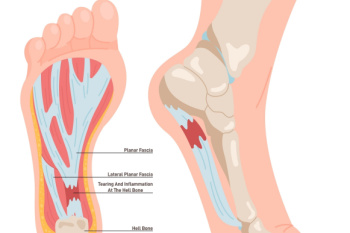
Plantar fasciitis is one of the most common causes of heel pain, and for athletes, it can be a game-changer. This condition occurs when the plantar fascia, the thick band of tissue running along the bottom of the foot, becomes inflamed from overuse, excessive impact, or improper biomechanics. Runners, basketball players, and dancers are especially prone due to repetitive foot stress. Sharp, stabbing pain is often worse in the morning or after long periods of activity. Ignoring it can lead to chronic discomfort and even compensatory injuries in the knees or hips. Treatment includes rest, stretching, wearing proper footwear, and sometimes custom orthotics to provide arch support. If you are an athlete eager to stay in the game, it is suggested that you seek care from a podiatrist.
Plantar fasciitis is a common foot condition that is often caused by a strain injury. If you are experiencing heel pain or symptoms of plantar fasciitis, contact Dr. Kendall Blackwell from InStride Wilson Podiatry Associates. Our doctor can provide the care you need to keep you pain-free and on your feet.
What Is Plantar Fasciitis?
Plantar fasciitis is one of the most common causes of heel pain. The plantar fascia is a ligament that connects your heel to the front of your foot. When this ligament becomes inflamed, plantar fasciitis is the result. If you have plantar fasciitis you will have a stabbing pain that usually occurs with your first steps in the morning. As the day progresses and you walk around more, this pain will start to disappear, but it will return after long periods of standing or sitting.
What Causes Plantar Fasciitis?
- Excessive running
- Having high arches in your feet
- Other foot issues such as flat feet
- Pregnancy (due to the sudden weight gain)
- Being on your feet very often
There are some risk factors that may make you more likely to develop plantar fasciitis compared to others. The condition most commonly affects adults between the ages of 40 and 60. It also tends to affect people who are obese because the extra pounds result in extra stress being placed on the plantar fascia.
Prevention
- Take good care of your feet – Wear shoes that have good arch support and heel cushioning.
- Maintain a healthy weight
- If you are a runner, alternate running with other sports that won’t cause heel pain
There are a variety of treatment options available for plantar fasciitis along with the pain that accompanies it. Additionally, physical therapy is a very important component in the treatment process. It is important that you meet with your podiatrist to determine which treatment option is best for you.
If you have any questions, please feel free to contact our office located in Wilson, NC . We offer the newest diagnostic and treatment technologies for all your foot care needs.
Causes and Treatment of Diabetic Foot Ulcers

Foot ulcers are open sores, commonly seen in patients with diabetes, that can lead to severe complications if not promptly addressed. Among the most serious side effects of diabetic foot ulcers is gangrene, a dangerous condition where foot or toe tissue dies due to insufficient blood flow or infection. Gangrene usually begins with symptoms like skin discoloration, swelling, numbness, severe pain, or an unpleasant-smelling discharge. When left untreated, gangrene may rapidly worsen, requiring antibiotics or emergency surgery, such as removal of damaged tissue or even loss of toes, the foot, or part of the ankle. Patients with conditions that impair circulation, such as peripheral artery disease or diabetes, are particularly vulnerable to gangrene following foot ulcers. A podiatrist plays an important role in preventing these severe outcomes by assessing circulation, identifying infections early, and providing appropriate wound care or surgery if necessary. If you have foot ulcers from diabetes, it is suggested that you schedule an appointment with a podiatrist for an exam, diagnosis, and regular foot care.
Diabetic foot care is important in preventing foot ailments such as ulcers. If you are suffering from diabetes or have any other concerns about your feet, contact Dr. Kendall Blackwell from InStride Wilson Podiatry Associates. Our doctor can provide the care you need to keep you pain-free and on your feet.
Diabetic Foot Care
Diabetes affects millions of people every year. The condition can damage blood vessels in many parts of the body, especially the feet. Because of this, taking care of your feet is essential if you have diabetes, and having a podiatrist help monitor your foot health is highly recommended.
The Importance of Caring for Your Feet
- Routinely inspect your feet for bruises or sores.
- Wear socks that fit your feet comfortably.
- Wear comfortable shoes that provide adequate support.
Patients with diabetes should have their doctor monitor their blood levels, as blood sugar levels play such a huge role in diabetic care. Monitoring these levels on a regular basis is highly advised.
It is always best to inform your healthcare professional of any concerns you may have regarding your feet, especially for diabetic patients. Early treatment and routine foot examinations are keys to maintaining proper health, especially because severe complications can arise if proper treatment is not applied.
If you have any questions please feel free to contact our office located in Wilson, NC . We offer the newest diagnostic and treatment technologies for all your foot and ankle needs.
More...
Understanding Bunions

Bunions are bony bumps that form at the base of the big toe, often caused when the tip of the toe angles inward toward the other toes. This deformity can lead to pain, swelling, redness, and difficulty finding comfortable shoes. The affected area may become tender, and, as the bunion progresses, it can affect walking and lead to other foot issues like calluses or hammertoes. A podiatrist can evaluate your bunion and offer various treatments. For mild cases, they may recommend lifestyle changes, such as wearing shoes with a wider toe box or using padding to reduce pressure. Custom orthotics can help correct foot alignment, providing relief from discomfort. In more severe cases, a podiatrist may suggest surgical options to correct the deformity and improve function. If you are experiencing pain or discomfort from a bunion, it is suggested that you schedule an appointment with a podiatrist.
If you are suffering from bunion pain, contact Dr. Kendall Blackwell of InStride Wilson Podiatry Associates. Our doctor can provide the care you need to keep you pain-free and on your feet.
What Is a Bunion?
Bunions are painful bony bumps that usually develop on the inside of the foot at the joint of the big toe. As the deformity increases over time, it may become painful to walk and wear shoes. Women are more likely to exacerbate existing bunions since they often wear tight, narrow shoes that shift their toes together. Bunion pain can be relieved by wearing wider shoes with enough room for the toes.
Causes
- Genetics – some people inherit feet that are more prone to bunion development
- Inflammatory Conditions - rheumatoid arthritis and polio may cause bunion development
Symptoms
- Redness and inflammation
- Pain and tenderness
- Callus or corns on the bump
- Restricted motion in the big toe
In order to diagnose your bunion, your podiatrist may ask about your medical history, symptoms, and general health. Your doctor might also order an x-ray to take a closer look at your feet. Nonsurgical treatment options include orthotics, padding, icing, changes in footwear, and medication. If nonsurgical treatments don’t alleviate your bunion pain, surgery may be necessary.
If you have any questions, please feel free to contact our office located in Wilson, NC . We offer the newest diagnostic and treatment technologies for all your foot care needs.
Arthritis Can Cause Pain in the Feet and Ankles

If you are suffering from tenderness, pain, or stiffness in the joints of your feet or ankles, call us to schedule an appointment.
The Necessity of Proper Foot Care for Diabetic Patients
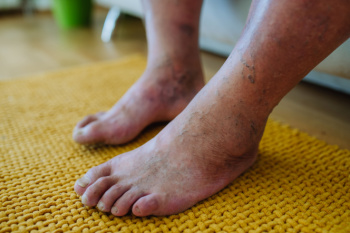
Proper foot care is critical for people with diabetes to prevent serious complications, such as infections, ulcers, or even amputations. Diabetes can reduce blood flow and damage nerves, making it harder to feel pain or detect injuries. Small cuts, blisters, or pressure sores can quickly become infected without proper attention. To care for your feet, wash and dry them daily, especially between the toes. Inspect them regularly for cuts, redness, or swelling, and moisturize to prevent dry, cracked skin. Wear well-fitted, protective footwear to reduce pressure points and avoid walking barefoot. Regular visits to a podiatrist are suggested for professional care and early detection of potential problems.
Diabetic foot care is important in preventing foot ailments such as ulcers. If you are suffering from diabetes or have any other concerns about your feet, contact Dr. Kendall Blackwell from InStride Wilson Podiatry Associates. Our doctor can provide the care you need to keep you pain-free and on your feet.
Diabetic Foot Care
Diabetes affects millions of people every year. The condition can damage blood vessels in many parts of the body, especially the feet. Because of this, taking care of your feet is essential if you have diabetes, and having a podiatrist help monitor your foot health is highly recommended.
The Importance of Caring for Your Feet
- Routinely inspect your feet for bruises or sores.
- Wear socks that fit your feet comfortably.
- Wear comfortable shoes that provide adequate support.
Patients with diabetes should have their doctor monitor their blood levels, as blood sugar levels play such a huge role in diabetic care. Monitoring these levels on a regular basis is highly advised.
It is always best to inform your healthcare professional of any concerns you may have regarding your feet, especially for diabetic patients. Early treatment and routine foot examinations are keys to maintaining proper health, especially because severe complications can arise if proper treatment is not applied.
If you have any questions please feel free to contact our office located in Wilson, NC . We offer the newest diagnostic and treatment technologies for all your foot and ankle needs.
What Can Cause an Ankle Rash?

Ankle rashes can occur due to a variety of factors, and identifying the cause is key to effective treatment. One common cause is contact dermatitis, which happens when the skin reacts to an irritant or allergen. This could include new soaps, lotions, or even certain fabrics. Allergies to foods, medications, or insect bites can also trigger rashes on the ankles, often accompanied by itching and redness. Hives, which are raised, red welts that appear suddenly, can develop in response to stress, certain foods, or medications. Another cause of ankle rashes is sunburn, which can occur when the skin is overexposed to UV rays, leading to redness, pain, and peeling. In some cases, fungal infections like athlete’s foot can cause a rash on the ankles. If an ankle rash persists or worsens, it is suggested that you consult a podiatrist who can determine the underlying cause, and guide you toward appropriate treatment methods.
Ankle pain can have many different causes and the pain may potentially be serious. If you have ankle pain, consult with Dr. Kendall Blackwell from InStride Wilson Podiatry Associates. Our doctor will assess your condition and provide you with quality foot and ankle treatment.
Ankle pain is any condition that causes pain in the ankle. Due to the fact that the ankle consists of tendons, muscles, bones, and ligaments, ankle pain can come from a number of different conditions.
Causes
The most common causes of ankle pain include:
- Types of arthritis (rheumatoid, osteoarthritis, and gout)
- Ankle sprains
- Broken ankles
- Achilles tendinitis
- Achilles tendon rupture
- Stress fractures
- Tarsal tunnel syndrome
- Plantar fasciitis
Symptoms
Symptoms of ankle injury vary based upon the condition. Pain may include general pain and discomfort, swelling, aching, redness, bruising, burning or stabbing sensations, and/or loss of sensation.
Diagnosis
Due to the wide variety of potential causes of ankle pain, podiatrists will utilize a number of different methods to properly diagnose ankle pain. This can include asking for personal and family medical histories and of any recent injuries. Further diagnosis may include sensation tests, a physical examination, and potentially x-rays or other imaging tests.
Treatment
Just as the range of causes varies widely, so do treatments. Some more common treatments are rest, ice packs, keeping pressure off the foot, orthotics and braces, medication for inflammation and pain, and surgery.
If you have any questions, please feel free to contact our office located in Wilson, NC . We offer the newest diagnostic and treatment technologies for all your foot care needs.
