Blog
Foot and Ankle Injuries Among Assembly Line Workers
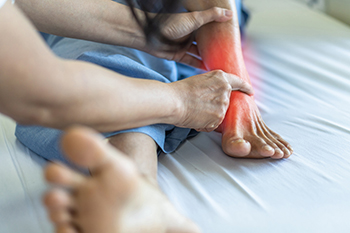
Jobs that require prolonged standing and walking often lead to complaints of foot and ankle pain among employees. Various factors contribute to foot and ankle pain in assembly line work, including time spent standing, walking, or sitting. Additionally, floor surface characteristics, weight, BMI, age, foot biomechanics, and demographic and medical history may significantly contribute to developing foot and ankle pain. Increased risk factors can include high metatarsal pressure during gait assessment, extended periods of walking, female gender, job dissatisfaction, and a history of conditions like rheumatoid arthritis, osteoporosis, or vascular disorders. Truck and forklift drivers who frequently exit and enter their vehicles tend to have a higher prevalence of ankle and foot problems. Prevention includes the use of shoe orthotics with medial longitudinal arch and metatarsal pad support. The incorporation of sit and stand work stations are also options to mitigate foot and ankle issues in these types of environments. If you are involved in assembly line work and experience foot or ankle pain, it is suggested that you schedule an appointment with a podiatrist for an exam and treatment that can help relieve pain.
Foot and ankle trauma is common among athletes and the elderly. If you have concerns that you may have experienced trauma to the foot and ankle, consult with Dr. Kendall Blackwell from InStride Wilson Podiatry Associates. Our doctor will assess your condition and provide you with quality foot and ankle treatment.
Foot and ankle trauma cover a range of injuries all over the foot; common injuries include:
- Broken bones
- Muscle strains
- Injuries to the tendons and ligaments
- Stress fractures
Symptoms
Symptoms of foot and ankle injuries vary depending on the injury, but more common ones include:
- Bruising
- Inflammation/ Swelling
- Pain
Diagnosis
To properly diagnose the exact type of injury, podiatrists will conduct a number of different tests. Some of these include sensation and visual tests, X-rays, and MRIs. Medical and family histories will also be taken into account.
Treatment
Once the injury has been diagnosed, the podiatrist can than offer the best treatment options for you. In less severe cases, rest and keeping pressure off the foot may be all that’s necessary. Orthotics, such as a specially made shoes, or immobilization devices, like splints or casts, may be deemed necessary. Finally, if the injury is severe enough, surgery may be necessary.
If you have any questions, please feel free to contact our office located in Wilson, NC . We offer the newest diagnostic and treatment technologies for all your foot care needs.
Gout Pain Can Be Managed

Gout is a painful, inflammatory form of arthritis. Those affected will typically feel an intense stiffness in the joints of their feet, particularly in the big toe. Schedule a visit to learn about how gout can be managed and treated.
The Optimal High Heel Height
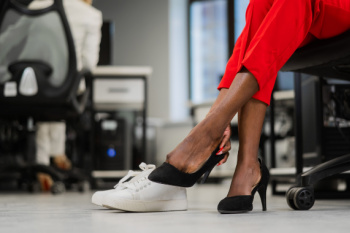
Choosing the right high heel height is a delicate balance between fashion and comfort, with implications for both style and foot health. While personal preferences play a role, experts recommend considering a heel height that is one to two inches. This range provides a stylish lift without subjecting the feet to excessive pressure or discomfort. Lower heels distribute weight more evenly, reducing strain on the balls of the feet and minimizing the risk of conditions such as bunions or metatarsalgia. Additionally, a modest heel height promotes a more natural posture, preventing issues like lower back pain and Achilles tendon strain. Ultimately, the optimal high heel height is one that allows you to walk with grace and confidence while prioritizing the well-being of your feet. By striking this balance, you can effortlessly blend style with comfort, ensuring your footwear choices enhance both your fashion statement and overall foot health. If you are interested in seeking additional information about how wearing high heels affect your feet, it is suggested that you consult a podiatrist.
High heels have a history of causing foot and ankle problems. If you have any concerns about your feet or ankles, contact Dr. Kendall Blackwell from InStride Wilson Podiatry Associates. Our doctor can provide the care you need to keep you pain-free and on your feet.
Effects of High Heels on the Feet
High heels are popular shoes among women because of their many styles and societal appeal. Despite this, high heels can still cause many health problems if worn too frequently.
Which Parts of My Body Will Be Affected by High Heels?
- Ankle Joints
- Achilles Tendon – May shorten and stiffen with prolonged wear
- Balls of the Feet
- Knees – Heels cause the knees to bend constantly, creating stress on them
- Back – They decrease the spine’s ability to absorb shock, which may lead to back pain. The vertebrae of the lower back may compress.
What Kinds of Foot Problems Can Develop from Wearing High Heels?
- Corns
- Calluses
- Hammertoe
- Bunions
- Morton’s Neuroma
- Plantar Fasciitis
How Can I Still Wear High Heels and Maintain Foot Health?
If you want to wear high heeled shoes, make sure that you are not wearing them every day, as this will help prevent long term physical problems. Try wearing thicker heels as opposed to stilettos to distribute weight more evenly across the feet. Always make sure you are wearing the proper shoes for the right occasion, such as sneakers for exercising. If you walk to work, try carrying your heels with you and changing into them once you arrive at work. Adding inserts to your heels can help cushion your feet and absorb shock. Full foot inserts or metatarsal pads are available.
If you have any questions please feel free to contact our office located in Wilson, NC . We offer the newest diagnostic and treatment technologies for all your foot and ankle needs.
Common Running Injuries and Prevention Strategies

Engaging in running offers numerous health benefits, but it also comes with the risk of encountering common injuries that can sideline even the most dedicated runners. One common issue is plantar fasciitis, causing heel pain. This condition is often a result of overuse or improper footwear. Regular stretching and wearing supportive shoes can be preventive measures. Achilles tendinitis, involving inflammation of the Achilles tendon, emphasizes the importance of gradual training increments and proper footwear. Prioritizing rest, cross-training, and incorporating strength exercises into one's routine can significantly reduce the risk of these common running injuries, ensuring a more enjoyable and injury-free running experience. If you are experiencing foot, toe, or ankle injuries related to running, it is suggested that you consult a podiatrist who can recommend effective treatment options.
All runners should take extra precaution when trying to avoid injury. If you have any concerns about your feet, contact Dr. Kendall Blackwell of InStride Wilson Podiatry Associates. Our doctor will treat your foot and ankle needs.
How to Prevent Running Injuries
There are a lot of mistakes a runner can make prior to a workout that can induce injury. A lot of athletes tend to overstretch before running, instead of saving those workouts for a post-run routine. Deep lunges and hand-to-toe hamstring pulls should be performed after a workout instead of during a warmup. Another common mistake is jumping into an intense routine before your body is physically prepared for it. You should try to ease your way into long-distance running instead of forcing yourself to rush into it.
More Tips for Preventing Injury
- Incorporate Strength Training into Workouts - This will help improve the body’s overall athleticism
- Improve and Maintain Your Flexibility – Stretching everyday will help improve overall performance
- “Warm Up” Before Running and “Cool Down” Afterward – A warm up of 5-10 minutes helps get rid of lactic acid in the muscles and prevents delayed muscle soreness
- Cross-Training is Crucial
- Wear Proper Running Shoes
- Have a Formal Gait Analysis – Poor biomechanics can easily cause injury
If you have any questions, please feel free to contact our office located in Wilson, NC . We offer the newest diagnostic and treatment technologies for all your foot care needs.
Managing Heel Fissures
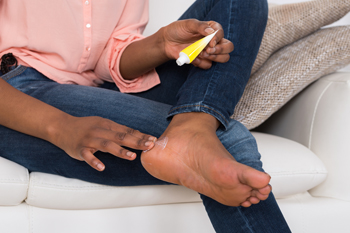
Heel fissures, or cracked skin on the heels, develop when the feet lack adequate moisture. This can lead to the development of painful cracks and dry patches on the outer edge of the heels. While heel fissures are often perceived as a cosmetic concern, they can escalate into more serious health conditions, underscoring the importance of timely treatment. Common causes of heel fissures include wearing open-backed shoes, living in dry climates, walking barefoot, obesity, and having inactive sweat glands. In cases of persistent or severe fissures, seeking professional help from a podiatrist is suggested. Treatment measures can provide a comprehensive approach to alleviate discomfort and expedite the healing process. The danger of heel fissures is particularly important for diabetic people and patients with neuropathy and should not be ignored. If you have developed seriously cracked heels that are bleeding or may have become infected, it is suggested that you schedule an appointment with a podiatrist as quickly as possible for an exam and treatment.
Cracked heels are unsightly and can cause further damage to your shoes and feet. If you have any concerns, contact Dr. Kendall Blackwell from InStride Wilson Podiatry Associates. Our doctor can provide the care you need to keep you pain-free and on your feet.
Cracked Heels
Cracked heels appear unappealing and can make it harder for you walk around in sandals. Aside from looking unpleasant, cracked heels can also tear stockings, socks, and wear out your shoes. There are several methods to help restore a cracked heel and prevent further damage.
How Do You Get Them?
Dry skin is the number one culprit in creating cracked heels. Many athletes, walkers, joggers, and even swimmers suffer from cracked heels. Age and skin oil production play a role to getting cracked heels as well.
Promote Healing
Over the counter medicines can help, especially for those that need instant relief or who suffer from chronic dry feet.
Wear Socks – Wearing socks with medicated creams helps lock in moisture.
Moisturizers – Applying both day and night will help alleviate dryness which causes cracking.
Pumice Stones – These exfoliate and remove dead skin, which allows for smoother moisturizer application and better absorption into the skin.
Change in Diet
Eating healthy with a well-balanced diet will give the skin a fresh and radiant look. Your body responds to the kinds of food you ingest. Omega-3 fatty acids and zinc supplements can also revitalize skin tissue.
Most importantly, seek professional help if unsure how to proceed in treating cracked heels. A podiatrist will help you with any questions or information needed.
If you have any questions, please feel free to contact our office located in Wilson, NC . We offer the newest diagnostic and treatment technologies for all your foot care needs.
Red Feet in Elderly Individuals
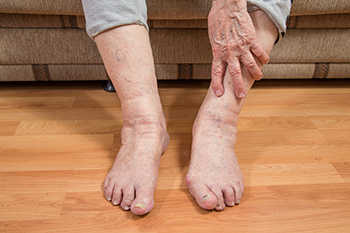
Red feet in the elderly can be a symptom with a myriad of potential causes. One primary contributor is reduced circulation, a common age-related issue that compromises blood flow to the extremities. Chronic venous insufficiency, where weakened veins struggle to return blood to the heart, may result in redness in the feet due to pooling blood. In some cases, medications or medical conditions affecting blood vessels can contribute to this discoloration. Additionally, inflammatory conditions like arthritis or infections might manifest as redness in the feet. Diabetic complications, particularly peripheral artery disease, may also lead to diminished blood supply and red discoloration. A podiatrist needs to conduct a thorough assessment to accurately diagnose and address the root causes of red feet in the elderly. If you or someone you know has this foot condition, it is suggested that you visit a podiatrist who can offer appropriate treatment options.
Proper foot care is something many older adults forget to consider. If you have any concerns about your feet and ankles, contact Dr. Kendall Blackwell from InStride Wilson Podiatry Associates. Our doctor can provide the care you need to keep you pain-free and on your feet.
The Elderly and Their Feet
As we age we start to notice many changes in our body, but the elder population may not notice them right away. Medical conditions may prevent the elderly to take notice of their foot health right away. Poor vision is a lead contributor to not taking action for the elderly.
Common Conditions
- Neuropathy – can reduce feeling in the feet and can hide many life-threatening medical conditions.
- Reduced flexibility – prevents the ability of proper toenail trimming, and foot cleaning. If left untreated, it may lead to further medical issues.
- Foot sores – amongst the older population can be serious before they are discovered. Some of the problematic conditions they may face are:
- Gouging toenails affecting nearby toe
- Shoes that don’t fit properly
- Pressure sores
- Loss of circulation in legs & feet
- Edema & swelling of feet and ankles
Susceptible Infections
Diabetes and poor circulation can cause general loss of sensitivity over the years, turning a simple cut into a serious issue.
If you have any questions please feel free to contact our office located in Wilson, NC . We offer the newest diagnostic and treatment technologies for all your foot and ankle needs.
Utilizing Imaging Tests for Diagnosis and Treatment of Morton’s Neuroma
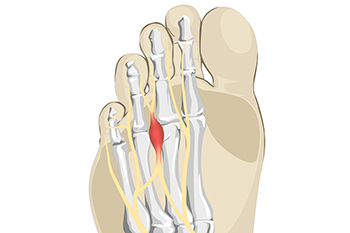
Morton's neuroma is a painful condition that affects the nerves in the ball of the foot, often causing discomfort and a sensation of a lump between the toes. To diagnose and effectively treat Morton's neuroma, podiatrists often employ various imaging tests. Ultrasound is a commonly used imaging technique to visualize Morton's neuroma. It provides real time images and allows for dynamic assessment, which can help in confirming the diagnosis. Ultrasound can also guide injections for therapeutic purposes. Magnetic resonance imaging, or MRI, is another valuable tool for evaluating Morton's neuroma. It offers detailed images of the foot's soft tissues, providing insight into the size and location of the neuroma. This can assist in treatment planning and determining the severity of the condition. X-rays, although less effective in directly visualizing neuromas, are sometimes used to rule out other foot conditions like bone abnormalities or arthritis. These imaging tests play a vital role in diagnosing Morton's neuroma and determining the most appropriate treatment approach, which may include conservative measures, injections, or surgical intervention. If you have pain in the ball of your foot, it is suggested that you schedule an appointment with a podiatrist, as early intervention can lead to more effective management of this painful foot condition.
Morton’s neuroma is a very uncomfortable condition to live with. If you think you have Morton’s neuroma, contact Dr. Kendall Blackwell of InStride Wilson Podiatry Associates. Our doctor will attend to all of your foot care needs and answer any of your related questions.
Morton’s Neuroma
Morton's neuroma is a painful foot condition that commonly affects the areas between the second and third or third and fourth toe, although other areas of the foot are also susceptible. Morton’s neuroma is caused by an inflamed nerve in the foot that is being squeezed and aggravated by surrounding bones.
What Increases the Chances of Having Morton’s Neuroma?
- Ill-fitting high heels or shoes that add pressure to the toe or foot
- Jogging, running or any sport that involves constant impact to the foot
- Flat feet, bunions, and any other foot deformities
Morton’s neuroma is a very treatable condition. Orthotics and shoe inserts can often be used to alleviate the pain on the forefront of the feet. In more severe cases, corticosteroids can also be prescribed. In order to figure out the best treatment for your neuroma, it’s recommended to seek the care of a podiatrist who can diagnose your condition and provide different treatment options.
If you have any questions, please feel free to contact our office located in Wilson, NC . We offer the newest diagnostic and treatment technologies for all your foot care needs.
Are Bunions Affecting Your Everyday Life?
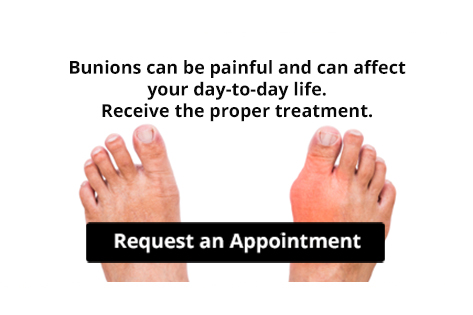
Have you noticed a bony protrusion on the side of your big toe? If so, you may have developed the foot condition known as a bunion. Don't let bunions interfere with your daily activities.
Early Indicators of Foot Arthritis
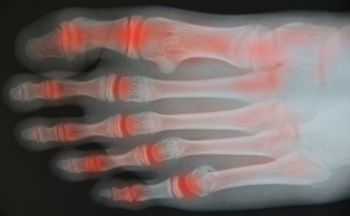
Foot arthritis, a condition affecting the joints in the feet, often begins its onset with inconspicuous signs that warrant attention. Persistent morning stiffness, particularly in the feet, can be an early red flag. Individuals may notice increased discomfort during weight-bearing activities or difficulty flexing and extending the foot joints. Swelling and warmth around the joints may accompany these symptoms, indicating inflammation. As arthritis progresses, subtle changes in foot structure or the development of bunions and hammertoes may become noticeable. Gradual limitations in range of motion may hinder daily activities. Persistent pain, even at rest, is another key signal that warrants investigation. Recognizing these initial whispers of foot arthritis allows for early intervention, potentially mitigating the impact on mobility and overall quality of life. If you have symptoms of foot arthritis, it is strongly suggested that you are under the care of a podiatrist who can effectively diagnose and offer treatment and relief options.
Arthritis can be a difficult condition to live with. If you are seeking treatment, contact Dr. Kendall Blackwell from InStride Wilson Podiatry Associates. Our doctor can provide the care you need to keep you pain-free and on your feet.
Arthritic Foot Care
Arthritis is a term that is commonly used to describe joint pain. The condition itself can occur to anyone of any age, race, or gender, and there are over 100 types of it. Nevertheless, arthritis is more commonly found in women compared to men, and it is also more prevalent in those who are overweight. The causes of arthritis vary depending on which type of arthritis you have. Osteoarthritis for example, is often caused by injury, while rheumatoid arthritis is caused by a misdirected immune system.
Symptoms
- Swelling
- Pain
- Stiffness
- Decreased Range of Motion
Arthritic symptoms range in severity, and they may come and go. Some symptoms stay the same for several years but could potentially get worse with time. Severe cases of arthritis can prevent its sufferers from performing daily activities and make walking difficult.
Risk Factors
- Occupation – Occupations requiring repetitive knee movements have been linked to osteoarthritis
- Obesity – Excess weight can contribute to osteoarthritis development
- Infection – Microbial agents can infect the joints and trigger arthritis
- Joint Injuries – Damage to joints may lead to osteoarthritis
- Age – Risk increases with age
- Gender –Most types are more common in women
- Genetics – Arthritis can be hereditary
If you suspect your arthritis is affecting your feet, it is crucial that you see a podiatrist immediately. Your doctor will be able to address your specific case and help you decide which treatment method is best for you.
If you have any questions, please feel free to contact our office located in Wilson, NC . We offer the newest diagnostic and treatment technologies for all your foot care needs.
Exercises Can Help With Big Toe Arthritis
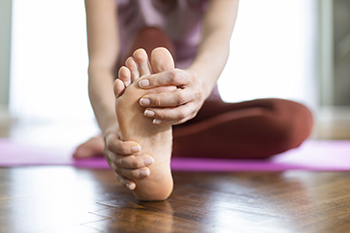
Exercises can play an important role in managing arthritis in the big toe by enhancing range of motion and strength. Stretching and strengthening exercises contribute to increased flexibility, reduced stiffness, and improved joint function. Depending on the severity of arthritis, individuals may initially need to focus on shorter and gentler exercises before progressing to longer and more intense routines. A basic stretching exercise, such as toe pulls, involves gently pulling the big toe forward and flexing it down toward the sole, and holding it for 10 to 20 seconds. This can help to promote mobility in the big toe joints and maintaining a normal walking pattern. To build strength in the big toe, the towel curl exercise involves curling and spreading the toes while sitting, with an option to increase intensity by performing it while standing. Additionally, the toe press, point, and curl exercise engages the entire foot, enhancing mobility, strength, and balance through cycling between toe pressing, pointing, and curling movements, holding each position for five seconds. Incorporating these exercises into a daily routine can contribute to reducing stiffness, minimizing the risk of injury, and improving the overall function of the big toe joint. For additional help managing arthritis in the big toe, it is suggested that you schedule an appointment with a podiatrist.
Exercising your feet regularly with the proper foot wear is a great way to prevent injuries and build strength. If you have any concerns about your feet, contact Dr. Kendall Blackwell from InStride Wilson Podiatry Associates. Our doctor can provide the care you need to keep you pain-free and on your feet.
Exercise for Your Feet
Exercise for your feet can help you gain strength, mobility and flexibility in your feet. They say that strengthening your feet can be just as rewarding as strengthening another part of the body. Your feet are very important, and we often forget about them in our daily tasks. But it is because of our feet that are we able to get going and do what we need to. For those of us fortunate enough to not have any foot problems, it is an important gesture to take care of them to ensure good health in the long run.
Some foot health exercises can include ankle pumps, tip-toeing, toe rises, lifting off the floor doing reps and sets, and flexing the toes. It is best to speak with Our doctor to determine an appropriate regimen for your needs. Everyone’s needs and bodies are different, and the activities required to maintain strength in the feet vary from individual to individual.
Once you get into a routine of doing regular exercise, you may notice a difference in your feet and how strong they may become.
If you have any questions please feel free to contact our office located in Wilson, NC . We offer the newest diagnostic and treatment technologies for all your foot and ankle needs.
More...
Treatment Options for Claw Toe
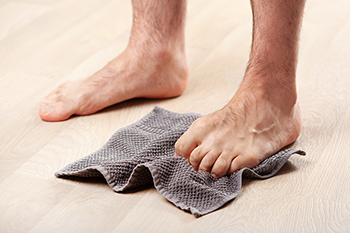
Claw toe, a foot deformity characterized by a claw-like appearance of the toes, demands prompt attention to alleviate discomfort and prevent worsening. Non-surgical interventions are often the initial line of defense, focusing on enhancing toe flexibility and optimizing foot mechanics. Taping or splinting to maintain toes in a more natural position, can reduce the progression of a claw toe. Gentle exercises also promote joint mobility and encourage toes to assume a healthier alignment. Activities like picking up small items with your toes can be beneficial. In severe cases, surgical options become a consideration. Joint fusion or tendon and bone operations may be recommended to address the root cause and provide lasting relief. Early intervention significantly improves the prognosis for individuals grappling with claw toe deformity. It is suggested that you schedule an appointment with a podiatrist who can determine the most appropriate treatment plan tailored to managing claw toes. Early intervention significantly improves the prognosis for individuals with claw toe deformity.
Toe pain can disrupt your daily activities. If you have any concerns, contact Dr. Kendall Blackwell of InStride Wilson Podiatry Associates. Our doctor can provide the care you need to keep you pain-free and on your feet.
What Causes Toe Pain?
Most severe toe pain is caused due to a sports injury, trauma from dropping something heavy on the toe, or bumping into something rigid. Other problems can develop over time for various reasons.
Toe pain can be caused by one or more ailments. The most common include:
- Trauma
- Sports injury
- Wearing shoes that are too tight
- Arthritis
- Gout
- Corns and calluses
- Hammertoe
- Bunions
- Blisters
- Ingrown toenails
- Sprains
- Fractures (broken bones)
- Dislocations
When to See a Podiatrist
- Severe pain
- Persistent pain that lasts more than a week
- Signs of infection
- Continued swelling
- Pain that prevents walking
Diagnosis
In many cases the cause of toe pain is obvious, but in others, a podiatrist may want to use more advanced methods to determine the problem. These can range from simple visual inspections and sensation tests to X-rays and MRI scans. Prior medical history, family medical history, and any recent physical traumatic events will all be taken into consideration for a proper diagnosis.
Treatment
Treatments for toe pain and injuries vary and may include shoe inserts, padding, taping, medicines, injections, and in some cases, surgery. If you believe that you have broken a toe, please see a podiatrist as soon as possible.
If you have any questions please feel free to contact our office located in Wilson, NC . We offer the newest diagnostic tools and technology to treat your foot and ankle needs.
Tennis Stress Fractures

Stress fractures are a common concern in tennis players, largely due to the repetitive nature of their movements and the frequent impact of their feet on hard surfaces. These fractures typically affect the back and the feet, with the metatarsal bones in the foot being a common location. Stress fractures are essentially tiny cracks in the bones, often arising from repeated actions and excessive strain on the foot. Rapidly increasing the intensity of training or altering the training regimen can also contribute to these fractures. Symptoms of foot stress fractures typically include localized pain, which may radiate to other parts of the foot, along with swelling and tenderness around the affected bone. Beyond resting the affected foot, it is suggested that if you have sustained a stress fracture from playing tennis, an appointment is scheduled with a podiatrist for a proper diagnosis and treatment.
Stress fractures occur when there is a tiny crack within a bone. To learn more, contact Dr. Kendall Blackwell from InStride Wilson Podiatry Associates. Our doctor can provide the care you need to keep you pain free and on your feet.
How Are They Caused?
Stress fractures are the result of repetitive force being placed on the bone. Since the lower leg and feet often carry most of the body’s weight, stress fractures are likely to occur in these areas. If you rush into a new exercise, you are more likely to develop a stress fracture since you are starting too much, too soon. Pain resulting from stress fractures may go unnoticed at first, however it may start to worsen over time.
Risk Factors
- Gender – They are more commonly found in women compared to men.
- Foot Problems – People with unusual arches in their feet are more likely to develop stress fractures.
- Certain Sports – Dancers, gymnasts, tennis players, runners, and basketball players are more likely to develop stress fractures.
- Lack of Nutrients – A lack of vitamin D and calcium may weaken the bones and make you more prone to stress fractures
- Weak Bones – Osteoporosis can weaken the bones therefore resulting in stress fractures
Stress fractures do not always heal properly, so it is important that you seek help from a podiatrist if you suspect you may have one. Ignoring your stress fracture may cause it to worsen, and you may develop chronic pain as well as additional fractures.
If you have any questions, please feel free to contact our office located in Wilson, NC . We offer the newest diagnostic and treatment technologies for all your foot care needs.
Are You Suffering From Ingrown Toenails?

If left untreated, an ingrown toenail can lead to more serious concerns, such as an infection. Knowing proper nail care can help in the prevention of an ingrown toenail. Give us a call, and get treated!
Definition and Causes of Neuropathy in the Feet
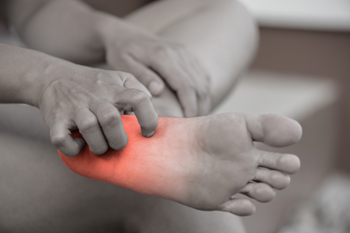
Neuropathy, a condition affecting the peripheral nerves, can significantly impact the feet, leading to a range of distressing symptoms. This disorder arises when nerve damage disrupts the communication between the feet and the peripheral nervous system. The definition of neuropathy in the feet encompasses sensations of tingling, numbness, and pain, often described as a burning or electric shock-like discomfort. Causes of neuropathy are diverse, including diabetes, infections, traumatic injuries, and exposure to toxins. Prolonged high blood sugar levels, common in diabetes, can harm nerves over time, contributing to neuropathic symptoms. Additionally, certain medications and hereditary factors may play a role. Understanding the nuanced definition and causes of neuropathy empowers individuals to recognize symptoms early, and to seek medical attention from a podiatrist. If you have symptoms of neuropathy in the feet, it is suggested that you schedule an appointment with this type of doctor who can effectively treat this condition.
Neuropathy
Neuropathy can be a potentially serious condition, especially if it is left undiagnosed. If you have any concerns that you may be experiencing nerve loss in your feet, consult with Dr. Kendall Blackwell from InStride Wilson Podiatry Associates. Our doctor will assess your condition and provide you with quality foot and ankle treatment for neuropathy.
What Is Neuropathy?
Neuropathy is a condition that leads to damage to the nerves in the body. Peripheral neuropathy, or neuropathy that affects your peripheral nervous system, usually occurs in the feet. Neuropathy can be triggered by a number of different causes. Such causes include diabetes, infections, cancers, disorders, and toxic substances.
Symptoms of Neuropathy Include:
- Numbness
- Sensation loss
- Prickling and tingling sensations
- Throbbing, freezing, burning pains
- Muscle weakness
Those with diabetes are at serious risk due to being unable to feel an ulcer on their feet. Diabetics usually also suffer from poor blood circulation. This can lead to the wound not healing, infections occurring, and the limb may have to be amputated.
Treatment
To treat neuropathy in the foot, podiatrists will first diagnose the cause of the neuropathy. Figuring out the underlying cause of the neuropathy will allow the podiatrist to prescribe the best treatment, whether it be caused by diabetes, toxic substance exposure, infection, etc. If the nerve has not died, then it’s possible that sensation may be able to return to the foot.
Pain medication may be issued for pain. Electrical nerve stimulation can be used to stimulate nerves. If the neuropathy is caused from pressure on the nerves, then surgery may be necessary.
If you have any questions, please feel free to contact our office located in Wilson, NC . We offer the newest diagnostic and treatment technologies for all your foot care needs.
