Items filtered by date: November 2018
Possible Causes of Injuries That Affect the Achilles Tendon
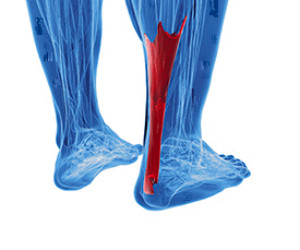 The location of the Achilles tendon is in the back of the leg and its function is to connect the heel bone to the calf muscle. If an injury should occur to this tendon, noticeable symptoms may include severe pain, difficulty in walking, or your ankles may feel weak. Many patients are unable to fully stand on the leg and swelling or bruising may be apparent. There are several causes as to why the Achilles tendon may rupture, and these may include falling unexpectedly, pivoting suddenly while participating in running or jumping activities, or ingesting specific types of medication, which may increase the chances of injuring this tendon. Research has shown if the calf muscles are gently stretched before sporting activity begins, the Achilles tendon may lengthen and become more flexible. If you feel you have injured this specific tendon, it is advised to seek the counsel of a podiatrist who can offer proper treatment advice.
Achilles tendon injuries need immediate attention to avoid future complications. If you have any concerns, contact Dr. Kendall Blackwell of InStride Wilson Podiatry Associates. Our doctor can provide the care you need to keep you pain-free and on your feet.
What Is the Achilles Tendon?
The Achilles tendon is a tendon that connects the lower leg muscles and calf to the heel of the foot. It is the strongest tendon in the human body and is essential for making movement possible. Because this tendon is such an integral part of the body, any injuries to it can create immense difficulties and should immediately be presented to a doctor.
What Are the Symptoms of an Achilles Tendon Injury?
There are various types of injuries that can affect the Achilles tendon. The two most common injuries are Achilles tendinitis and ruptures of the tendon.
Achilles Tendinitis Symptoms
- Inflammation
- Dull to severe pain
- Increased blood flow to the tendon
- Thickening of the tendon
Rupture Symptoms
- Extreme pain and swelling in the foot
- Total immobility
Treatment and Prevention
Achilles tendon injuries are diagnosed by a thorough physical evaluation, which can include an MRI. Treatment involves rest, physical therapy, and in some cases, surgery. However, various preventative measures can be taken to avoid these injuries, such as:
- Thorough stretching of the tendon before and after exercise
- Strengthening exercises like calf raises, squats, leg curls, leg extensions, leg raises, lunges, and leg presses
If you have any questions please feel free to contact our office located in Wilson, NC . We offer the newest diagnostic tools and technology to treat your foot and ankle needs.
Exercising in Bare Feet May Be Beneficial
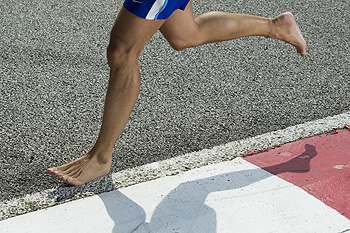 Research has shown that it may be beneficial for the feet and body to exercise bare foot. Professors at the department of Exercise and Sports Sciences at Ithaca College have stated that messages are received in the brain from the feet relating to the environment. When shoes are worn, these messages may get confused as a result of the feet not making direct contact with the ground. The outcome may be overcompensation of other muscle groups, which may ultimately lead to injury. The importance of increasing the strength of small foot muscles may lead to the development of large foot muscles and may decrease the risk of a potential injury. If you would like additional information about the benefits of exercising in bare feet, please speak with a podiatrist.
Exercising your feet regularly with the proper foot wear is a great way to prevent injuries and build strength. If you have any concerns about your feet, contact Dr. Kendall Blackwell from InStride Wilson Podiatry Associates. Our doctor can provide the care you need to keep you pain-free and on your feet.
Exercise for Your Feet
Exercise for your feet can help you gain strength, mobility and flexibility in your feet. They say that strengthening your feet can be just as rewarding as strengthening another part of the body. Your feet are very important, and we often forget about them in our daily tasks. But it is because of our feet that are we able to get going and do what we need to. For those of us fortunate enough to not have any foot problems, it is an important gesture to take care of them to ensure good health in the long run.
Some foot health exercises can include ankle pumps, tip-toeing, toe rises, lifting off the floor doing reps and sets, and flexing the toes. It is best to speak with Our doctor to determine an appropriate regimen for your needs. Everyone’s needs and bodies are different, and the activities required to maintain strength in the feet vary from individual to individual.
Once you get into a routine of doing regular exercise, you may notice a difference in your feet and how strong they may become.
If you have any questions please feel free to contact our office located in Wilson, NC . We offer the newest diagnostic and treatment technologies for all your foot and ankle needs.
Reminder: When Was the Last Time...?
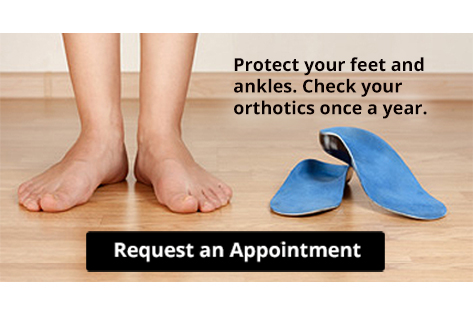
Custom orthotics, or shoe inserts, should be periodically replaced. Orthotics must fit properly to give you the best results. Protect your feet and ankles!
How to Care for a Broken Toe
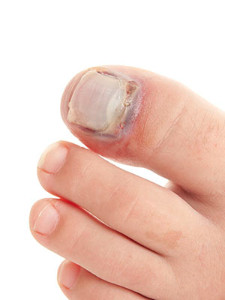 If you have incurred an injury to your toe or have dropped a heavy object on it, you may have a broken toe. Common symptoms that typically accompany this condition may include pain and discomfort, swelling, redness, or tenderness. Walking may prove to be a difficult task to accomplish, and the toe may often appear bruised. For severely broken toes, the affected bone may protrude from the skin, or the toe may appear to be at an unnatural angle. Once a proper diagnosis is performed, which is often accomplished by having an X-ray taken, proper treatment techniques can begin. These may include elevating the foot, which may reduce any pain or swelling, taping the affected toe to the toe next to it for support, or wearing appropriate footwear that that can accommodate the broken toe. If you feel you have broken your toe, it’s suggested to speak with a podiatrist as quickly as possible.
A broken toe can be very painful and lead to complications if not properly fixed. If you have any concerns about your feet, contact Dr. Kendall Blackwell from InStride Wilson Podiatry Associates. Our doctor will treat your foot and ankle needs.
What to Know About a Broken Toe
Although most people try to avoid foot trauma such as banging, stubbing, or dropping heavy objects on their feet, the unfortunate fact is that it is a common occurrence. Given the fact that toes are positioned in front of the feet, they typically sustain the brunt of such trauma. When trauma occurs to a toe, the result can be a painful break (fracture).
Symptoms of a Broken Toe
- Throbbing pain
- Swelling
- Bruising on the skin and toenail
- The inability to move the toe
- Toe appears crooked or disfigured
- Tingling or numbness in the toe
Generally, it is best to stay off of the injured toe with the affected foot elevated.
Severe toe fractures may be treated with a splint, cast, and in some cases, minor surgery. Due to its position and the pressure it endures with daily activity, future complications can occur if the big toe is not properly treated.
If you have any questions please feel free to contact our office located in Wilson, NC . We offer the newest diagnostic and treatment technologies for all your foot and ankle needs.
Pregnancy and Oedema
 One of the most common ailments pregnant women notice is the onset of swelling in their feet and ankles. This condition is referred to as oedema, and research has shown that it generally affects between fifty to eighty percent of healthy pregnant women. This may typically be a result of the excess pressure the growing fetus exerts on the blood vessels surrounding the pelvis. The circulation process may become slower because of the additional fluid that is retained, and the feet and ankles may be affected by this. Many women have found effective ways to maintain comfort during their pregnancies, including elevating their feet as often possible, avoiding standing for extended periods of time, and performing gentle exercises on a regular basis. Some women have found that wearing compression stockings may aid in reducing a portion of the swelling. If you would like additional information about how pregnancy can affect your feet, it’s suggested to speak with a podiatrist.
Pregnant women with swollen feet can be treated with a variety of different methods that are readily available. For more information about other cures for swollen feet during pregnancy, consult with Dr. Kendall Blackwell from InStride Wilson Podiatry Associates. Our doctor will attend to all of your foot and ankle needs.
What Foot Problems Can Arise During Pregnancy?
One problem that can occur is overpronation, which occurs when the arch of the foot flattens and tends to roll inward. This can cause pain and discomfort in your heels while you’re walking or even just standing up, trying to support your baby.
Another problem is edema, or swelling in the extremities. This often affects the feet during pregnancy but tends to occur in the later stages.
How Can I Keep My Feet Healthy During Pregnancy?
- Wearing orthotics can provide extra support for the feet and help distribute weight evenly
- Minimize the amount of time spent walking barefoot
- Wear shoes with good arch support
- Wear shoes that allow for good circulation to the feet
- Elevate feet if you experience swelling
- Massage your feet
- Get regular, light exercise, such as walking, to promote blood circulation to the feet
If you have any questions please feel free to contact our office located in Wilson, NC . We offer the newest diagnostic and treatment technologies for all your foot and ankle needs.
Why Live with Pain and Numbness in Your Feet?
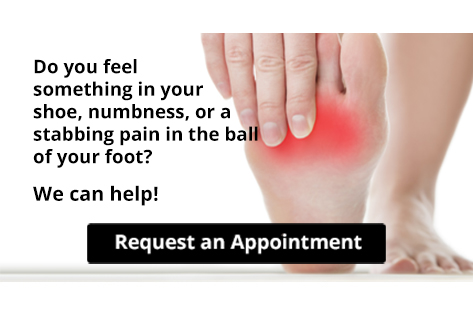
Suffering from this type of pain? You may have the foot condition known as Morton's neuroma. Morton's neuroma may develop as a result of ill-fitting footwear and existing foot deformities. We can help.
