Items filtered by date: March 2019
Risk Factors for Heel Spurs
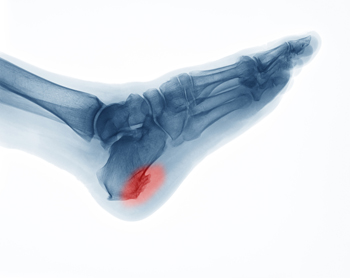 Heel spurs are caused by calcium deposits that build up beneath the heel. These calcium deposits cause bony protrusions that can cause discomfort or pain. There are some risk factors that increase the chances of developing a heel spur, and one of these risk factors is participating in athletic activities. For example, running and jumping can strain the heel and arch of the foot. If the heel is exposed to trauma, that also increases the risk of a heel spur; trauma usually involves the bruising or tearing of the membrane that covers the heel. Gender, age, and weight also affect the likelihood of developing heel spurs. Heel spurs are more common in women than men; and the older an individual is, the more at risk they are. Obesity can also be linked to heel spurs due to the additional pressure being placed on the foot. If you think you may have a heel spur, speak with a podiatrist for a proper diagnosis and to learn about treatment.
Heel spurs can be incredibly painful and sometimes may make you unable to participate in physical activities. To get medical care for your heel spurs, contact Dr. Kendall Blackwell from InStride Wilson Podiatry Associates. Our doctor will do everything possible to treat your condition.
Heels Spurs
Heel spurs are formed by calcium deposits on the back of the foot where the heel is. This can also be caused by small fragments of bone breaking off one section of the foot, attaching onto the back of the foot. Heel spurs can also be bone growth on the back of the foot and may grow in the direction of the arch of the foot.
Older individuals usually suffer from heel spurs and pain sometimes intensifies with age. One of the main condition's spurs are related to is plantar fasciitis.
Pain
The pain associated with spurs is often because of weight placed on the feet. When someone is walking, their entire weight is concentrated on the feet. Bone spurs then have the tendency to affect other bones and tissues around the foot. As the pain continues, the feet will become tender and sensitive over time.
Treatments
There are many ways to treat heel spurs. If one is suffering from heel spurs in conjunction with pain, there are several methods for healing. Medication, surgery, and herbal care are some options.
If you have any questions feel free to contact our office located in Wilson, NC . We offer the latest in diagnostic and treatment technology to meet your needs.
It's Time for Beautiful Feet

You don't need an excuse to have beautiful nails. Step outside without worrying about the appearance of your feet.
Foot Pain May Come from Wearing Shoes That Don’t Fit Correctly
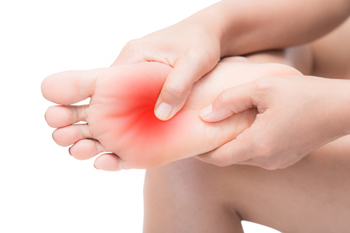 Research has shown the foot is considered to be one of the most complicated structures of the body. There are numerous bones, tendons, muscles, and ligaments each foot is comprised of. The feet may endure pain and discomfort as a result of bearing the weight of the body for the majority of the day. Wearing shoes that do not fit correctly may be the source of different types of foot pain. These may include corns and bunions. A corn may develop as a result of friction that is caused by two toes rubbing together, or if a toe rubs against a part of the shoe. Bunions may form on the side of the big toe, and it may happen if shoes that are worn are too tight. If you are experiencing any type of foot pain, it is advised that you seek the counsel of a podiatrist who can properly diagnose and treat any foot condition.
Foot Pain
Foot pain can be extremely painful and debilitating. If you have a foot pain, consult with Dr. Kendall Blackwell from InStride Wilson Podiatry Associates. Our doctor will assess your condition and provide you with quality foot and ankle treatment.
Causes
Foot pain is a very broad condition that could be caused by one or more ailments. The most common include:
- Bunions
- Hammertoes
- Plantar Fasciitis
- Bone Spurs
- Corns
- Tarsal Tunnel Syndrome
- Ingrown Toenails
- Arthritis (such as Gout, Rheumatoid, and Osteoarthritis)
- Flat Feet
- Injury (from stress fractures, broken toe, foot, ankle, Achilles tendon ruptures, and sprains)
- And more
Diagnosis
To figure out the cause of foot pain, podiatrists utilize several different methods. This can range from simple visual inspections and sensation tests to X-rays and MRI scans. Prior medical history, family medical history, and any recent physical traumatic events will all be taken into consideration for a proper diagnosis.
Treatment
Treatment depends upon the cause of the foot pain. Whether it is resting, staying off the foot, or having surgery; podiatrists have a number of treatment options available for foot pain.
If you have any questions, please feel free to contact our office located in Wilson, NC . We offer the newest diagnostic and treatment technologies for all your foot care needs.
Have I Broken My Foot?
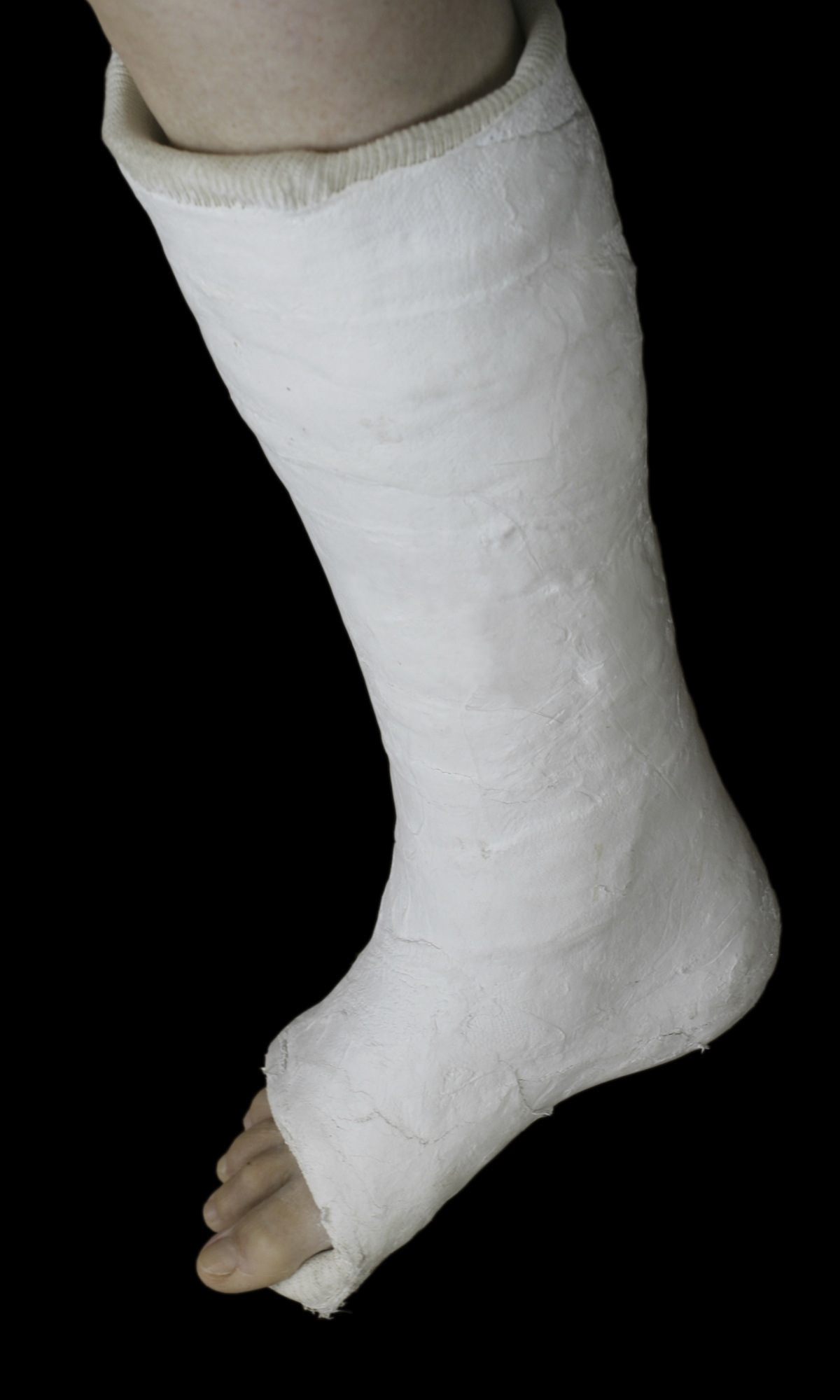 If you have fallen or twisted your ankle, you may have broken your foot. There are numerous bones, ligaments and tendons that are located in each foot, and one or more may easily fracture if falling occurs. There are several symptoms that may be associated with a broken foot. These may include pain and discomfort, swelling, bruising, or difficulty in walking. In severe fractures, the bones may become dislocated, and may protrude through the skin. It is important to obtain a proper diagnosis, which may be accomplished by having an X-ray performed. This is followed by beginning the correct treatment, which may consist of wearing a supportive boot or cast. This may help to immobilize the foot so the healing process can begin. If you feel you have broken your foot, it is recommended to consult with a podiatrist who can properly diagnosis and offer correct treatment options.
A broken foot requires immediate medical attention and treatment. If you need your feet checked, contact Dr. Kendall Blackwell from InStride Wilson Podiatry Associates. Our doctor can provide the care you need to keep you pain-free and on your feet.
Broken Foot Causes, Symptoms, and Treatment
A broken foot is caused by one of the bones in the foot typically breaking when bended, crushed, or stretched beyond its natural capabilities. Usually the location of the fracture indicates how the break occurred, whether it was through an object, fall, or any other type of injury.
Common Symptoms of Broken Feet:
- Bruising
- Pain
- Redness
- Swelling
- Blue in color
- Numbness
- Cold
- Misshapen
- Cuts
- Deformities
Those that suspect they have a broken foot shoot seek urgent medical attention where a medical professional could diagnose the severity.
Treatment for broken bones varies depending on the cause, severity and location. Some will require the use of splints, casts or crutches while others could even involve surgery to repair the broken bones. Personal care includes the use of ice and keeping the foot stabilized and elevated.
If you have any questions please feel free to contact our office located in Wilson, NC . We offer the newest diagnostic and treatment technologies for all your foot and ankle needs.
Heel Pain Can Be Treated!

Do you suffer from heel pain when you get up in the morning? If so, you should seek professional help and have a proper diagnosis performed. Heel pain can be caused by several different foot-related conditions.
Having an Active Lifestyle May Help to Prevent Falling
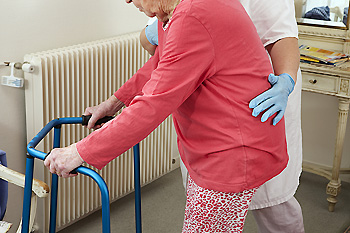 Research has shown that falling may lead to serious conditions, which may include enduring a debilitating injury or fracturing a bone. As the aging process occurs, it may be beneficial to have frequent vision tests performed, and this may help in noticing any tripping hazards that may be present. Additionally, it may be helpful to monitor blood pressure, and this may ensure it is in a normal range. Low blood pressure may lead to dizziness, which may cause difficulty in walking. Muscle strength and flexibility in the joints and tendons may be improved while maintaining an active lifestyle. If you would like additional information about the importance of falls prevention, it is suggested to speak to a podiatrist who can properly assist you.
Preventing falls among the elderly is very important. If you are older and have fallen or fear that you are prone to falling, consult with Dr. Kendall Blackwell from InStride Wilson Podiatry Associates. Our doctor will assess your condition and provide you with quality advice and care.
Every 11 seconds, an elderly American is being treated in an emergency room for a fall related injury. Falls are the leading cause of head and hip injuries for those 65 and older. Due to decreases in strength, balance, senses, and lack of awareness, elderly persons are very susceptible to falling. Thankfully, there are a number of things older persons can do to prevent falls.
How to Prevent Falls
Some effective methods that older persons can do to prevent falls include:
- Enrolling in strength and balance exercise program to increase balance and strength
- Periodically having your sight and hearing checked
- Discuss any medications you have with a doctor to see if it increases the risk of falling
- Clearing the house of falling hazards and installing devices like grab bars and railings
- Utilizing a walker or cane
- Wearing shoes that provide good support and cushioning
- Talking to family members about falling and increasing awareness
Falling can be a traumatic and embarrassing experience for elderly persons; this can make them less willing to leave the house, and less willing to talk to someone about their fears of falling. Doing such things, however, will increase the likelihood of tripping or losing one’s balance. Knowing the causes of falling and how to prevent them is the best way to mitigate the risk of serious injury.
If you have any questions, please feel free to contact our office located in Wilson, NC . We offer the newest diagnostic and treatment technologies for all your foot care needs.
