Items filtered by date: June 2023
Three Types of Running Shoes
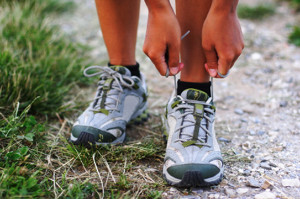
There are differences between running shoes and sneakers. The similarities end with their appearance, and specific technology used in running shoes that can aid in running. Additionally, they are constructed to prevent injury by having ample cushioning which can help to absorb shock. It is beneficial to make sure the running shoes fit perfectly, and it is helpful to try shoes on at the end of the day when the feet are at their largest. A general rule to follow can consist of ensuring there is a thumb’s width between the top of the shoe and the end of the foot. This is an adequate method to rule out any pinching or sliding that may happen while wearing shoes that do not fit correctly. The most durable type of running shoe can be classified as an everyday running shoe and can handle most types of running. People who enjoy running fast may benefit from wearing lightweight running shoes, which have less cushioning than other shoes. When running on rocky trails or dirt, choosing a trail running shoe is the best option. If you would like more information about what type of running shoes to purchase, it is suggested that you confer with a podiatrist who can guide you in making the right choice.
If you are a runner, wearing the right running shoe is essential. For more information, contact Dr. Kendall Blackwell from InStride Wilson Podiatry Associates. Our doctor can provide the care you need to keep you pain-free and on your feet.
Choosing the Right Running Shoe for Your Foot Type
To increase performance and avoid the risk of injury, it is important to choose the right running shoe based on your foot type. The general design of running shoes revolves around pronation, which is how the ankle rolls from outside to inside when the foot strikes the ground.
- Neutral runners are able to choose from a wide variety of shoes, including minimalist shoes or even going barefoot.
- Runners who overpronate, or experience an over-abundance of ankle rolling, should choose shoes that provide extra motion control and stability.
- Runners who underpronate, or supinate, have feet that have high arches and lack flexibility, preventing shock absorption. They require shoes with more flexibility and cushion.
If you have any questions please feel free to contact our office located in Wilson, NC . We offer the newest diagnostic and treatment technologies for all your foot and ankle needs.
Unsightly Cracked Heels
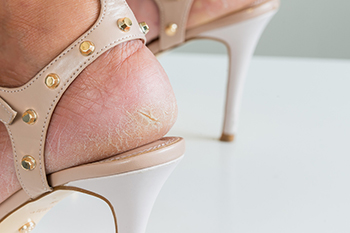
Having cracked heels is a foot condition that can cause embarrassment. It is defined as cracks that develop in the skin of the heels and may become fissures if conservative treatment does not work. Cracked heels can happen for a variety of reasons, including wearing shoes that have an open back, or standing on hard surfaces for the majority of the day. Additionally, frequently wearing flip-flops may lead to developing cracked heels, as a result of the lack of support most of these types of shoes have. Elderly people may notice they have cracked heels. The heel pads can lose elasticity, possibly causing cracked heels. People who are overweight may also be prone to getting cracked heels, which can be from the extra weight the heels must endure. Relief may be found when the feet are soaked in warm water, followed by applying a good moisturizer on them. If you have cracked heels, it is strongly suggested that you are under the care of a podiatrist who can offer you effective prevention and relief methods.
If the skin on your feet starts to crack, you may want to see a podiatrist to find treatment. If you have any concerns, contact Dr. Kendall Blackwell from InStride Wilson Podiatry Associates. Our doctor can provide the care you need to keep you pain-free and on your feet.
Cracked Heels
It is important to moisturize your cracked heels in order to prevent pain, bleeding, and infection. The reason cracked heels form is because the skin on the foot is too dry to support the immense pressure placed on them. When the foot expands, the dry skin on the foot begins to split.
Ways to Help Heal Them
- Invest in a good foot cream
- Try Using Petroleum Jelly
- Ease up on Soaps
- Drink Plenty of Water
Ways to Prevent Cracked Heels
- Moisturize After Showering
- Skip a Shower
- Keep Shower Water Lukewarm
- Don’t Scrub Your Feet
If you are unsure how to proceed in treating cracked heels, seek guidance from a podiatrist. Your doctor will help you with any questions or information you may need.
If you have any questions, please feel free to contact our office located in Wilson, NC . We offer the newest diagnostic and treatment technologies for all your foot care needs.
Why Do I Have Plantar Fasciitis?
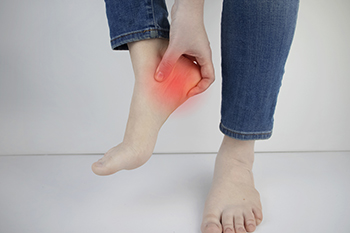
The plantar fascia is found on the sole of the foot. It is the band of tissue that connects the toes to the heel, and it is instrumental in pointing and flexing the foot. An injury or overuse can cause this tissue to become torn or irritated, which may lead to getting plantar fasciitis. Patients who are afflicted with this condition often have difficulty in walking, and will seek the advice of a medical professional for relief. The pain is felt in the heel which can cause severe discomfort. Runners may be prone to developing plantar fasciitis as a result of the repeated force the heels endure as well. It can also develop from wearing shoes that do not fit correctly, or that have minimum cushion support. Effective stretches can help the foot feel better. These can include the calf stretch which is done by standing on a step while lowering one heel at a time until a gentle stretch is felt. If you have heel pain, it is strongly suggested that you contact a podiatrist who can effectively diagnose and treat plantar fasciitis.
Plantar fasciitis is a common foot condition that is often caused by a strain injury. If you are experiencing heel pain or symptoms of plantar fasciitis, contact Dr. Kendall Blackwell from InStride Wilson Podiatry Associates. Our doctor can provide the care you need to keep you pain-free and on your feet.
What Is Plantar Fasciitis?
Plantar fasciitis is one of the most common causes of heel pain. The plantar fascia is a ligament that connects your heel to the front of your foot. When this ligament becomes inflamed, plantar fasciitis is the result. If you have plantar fasciitis you will have a stabbing pain that usually occurs with your first steps in the morning. As the day progresses and you walk around more, this pain will start to disappear, but it will return after long periods of standing or sitting.
What Causes Plantar Fasciitis?
- Excessive running
- Having high arches in your feet
- Other foot issues such as flat feet
- Pregnancy (due to the sudden weight gain)
- Being on your feet very often
There are some risk factors that may make you more likely to develop plantar fasciitis compared to others. The condition most commonly affects adults between the ages of 40 and 60. It also tends to affect people who are obese because the extra pounds result in extra stress being placed on the plantar fascia.
Prevention
- Take good care of your feet – Wear shoes that have good arch support and heel cushioning.
- Maintain a healthy weight
- If you are a runner, alternate running with other sports that won’t cause heel pain
There are a variety of treatment options available for plantar fasciitis along with the pain that accompanies it. Additionally, physical therapy is a very important component in the treatment process. It is important that you meet with your podiatrist to determine which treatment option is best for you.
If you have any questions, please feel free to contact our office located in Wilson, NC . We offer the newest diagnostic and treatment technologies for all your foot care needs.
What Is the Ball of the Foot?
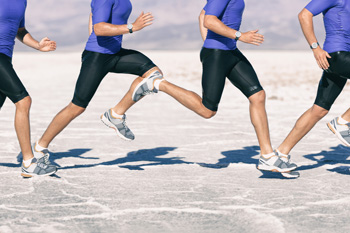
Learning about the biomechanics of the feet can be useful for anyone concerned with maintaining the health of their feet. For instance, the ball of the foot is a critical part of the foot that serves many important functions. The ball of the foot is located near the front of the foot just underneath the toes. This area of the foot can be susceptible to pain for many different reasons. Specifically, pain in the ball of the feet may be caused by stress fractures, being overweight, or from wearing high heels. If nothing is done to address pain that is felt in the ball of the feet, it is possible that this might ultimately alter one’s natural gait. Upon seeking medical attention, you might be instructed by a podiatrist to do any number of different things to treat the pain. Your podiatrist might recommend that you rest or wear better-fitting shoes for instance. If you are someone that is experiencing pain in the ball of your feet, it is suggested that you schedule an appointment with a podiatrist today.
If you have any concerns about your feet, contact Dr. Kendall Blackwell from InStride Wilson Podiatry Associates. Our doctor can provide the care you need to keep you pain-free and on your feet.
Biomechanics in Podiatry
Podiatric biomechanics is a particular sector of specialty podiatry with licensed practitioners who are trained to diagnose and treat conditions affecting the foot, ankle and lower leg. Biomechanics deals with the forces that act against the body, causing an interference with the biological structures. It focuses on the movement of the ankle, the foot and the forces that interact with them.
A History of Biomechanics
- Biomechanics dates back to the BC era in Egypt where evidence of professional foot care has been recorded.
- In 1974, biomechanics gained a higher profile from the studies of Merton Root, who claimed that by changing or controlling the forces between the ankle and the foot, corrections or conditions could be implemented to gain strength and coordination in the area.
Modern technological improvements are based on past theories and therapeutic processes that provide a better understanding of podiatric concepts for biomechanics. Computers can provide accurate information about the forces and patterns of the feet and lower legs.
Understanding biomechanics of the feet can help improve and eliminate pain, stopping further stress to the foot.
If you have any questions please feel free to contact our office located in Wilson, NC . We offer the newest diagnostic and treatment technologies for all your foot and ankle needs.
Do Your Child's Feet Hurt?

Have your child's feet been examined lately? Healthy feet are happy feet. If your child is complaining of foot pain, it may be a sign of underlying problems.
