Items filtered by date: January 2021
What Are Common Symptoms of an Ingrown Toenail?
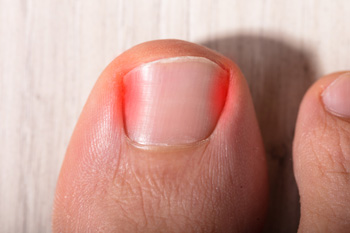 An ingrown toenail is noticeable when the toenail grows into the surrounding skin. This is a condition that can cause severe pain and discomfort, and can occur for a variety of reasons. These can include genetic factors, wearing shoes that do not fit properly, or it may happen if the toenail has endured an injury. Common symptoms many patients have include swelling, redness, and soreness in the surrounding area. It may feel better if you soak the affected toe in warm water, as this can help to soften the area so the nail can separate from the skin. If you have developed an ingrown toenail, please speak to a podiatrist as quickly as possible so the correct treatment can begin.
Ingrown toenails can become painful if they are not treated properly. For more information about ingrown toenails, contact Dr. Kendall Blackwell of InStride Wilson Podiatry Associates. Our doctor can provide the care you need to keep you pain-free and on your feet.
Ingrown Toenails
Ingrown toenails occur when a toenail grows sideways into the bed of the nail, causing pain, swelling, and possibly infection.
Causes
- Bacterial infections
- Improper nail cutting such as cutting it too short or not straight across
- Trauma to the toe, such as stubbing, which causes the nail to grow back irregularly
- Ill-fitting shoes that bunch the toes too close together
- Genetic predisposition
Prevention
Because ingrown toenails are not something found outside of shoe-wearing cultures, going barefoot as often as possible will decrease the likeliness of developing ingrown toenails. Wearing proper fitting shoes and using proper cutting techniques will also help decrease your risk of developing ingrown toenails.
Treatment
Ingrown toenails are a very treatable foot condition. In minor cases, soaking the affected area in salt or antibacterial soaps will not only help with the ingrown nail itself, but also help prevent any infections from occurring. In more severe cases, surgery is an option. In either case, speaking to your podiatrist about this condition will help you get a better understanding of specific treatment options that are right for you.
If you have any questions please feel free to contact our office located in Wilson, NC . We offer the newest diagnostic and treatment technologies for all your foot and ankle needs.
Treatment for Hyperhidrosis
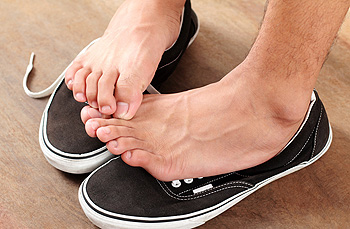
Plantar hyperhidrosis causes excessively sweaty feet. This problem can be embarrassing, and having constantly wet feet may increase your risk of developing certain foot problems, such as blisters or athlete’s foot. Fortunately, there are many treatments available for plantar hyperhidrosis. For mild to moderate cases, using an antiperspirant is recommended. Antiperspirants can come in a variety of forms to help reduce sweating by blocking the pores from which sweat escapes. Another potential treatment is iontophoresis, which can inhibit the overactive sweat glands’ ability to produce sweat. If you have excessively sweaty feet, it is suggested that you see a podiatrist, who can help you find the right treatment for you.
If you are suffering from hyperhidrosis contact Dr. Kendall Blackwell of InStride Wilson Podiatry Associates. Our doctor can provide the care you need to attend to all of your foot and ankle needs.
Hyperhidrosis of the Feet
Hyperhidrosis is a rare disorder that can cause people to have excessive sweating of their feet. This can usually occur all on its own without rigorous activity involved. People who suffer from hyperhidrosis may also experience sweaty palms.
Although it is said that sweating is a healthy process meant to cool down the body temperature and to maintain a proper internal temperature, hyperhidrosis may prove to be a huge hindrance on a person’s everyday life.
Plantar hyperhidrosis is considered to be the main form of hyperhidrosis. Secondary hyperhidrosis can refer to sweating that occurs in areas other than the feet or hands and armpits. Often this may be a sign of it being related to another medical condition such as menopause, hyperthyroidism and even Parkinson’s disease.
In order to alleviate this condition, it is important to see your doctor so that they may prescribe the necessary medications so that you can begin to live a normal life again. If this is left untreated, it is said that it will persist throughout an individual’s life.
A last resort approach would be surgery, but it is best to speak with your doctor to find out what may be the best treatment for you.
If you have any questions please feel free to contact our office located in Wilson, NC . We offer the newest diagnostic and treatment technologies for all your foot and ankle needs.
It's Time for Beautiful Feet

You don't need an excuse to have beautiful nails. Step outside without worrying about the appearance of your feet.
Can Flat Feet Cause Foot Pain?
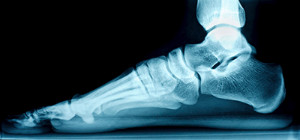
Flat feet is a condition in which the arch on the bottom of the midfoot region is absent. In infants and toddlers, the arch is not yet developed and having flat feet is typical. As the child ages, a normal arch usually develops. However, for some individuals the arch may not develop, and they will continue to have flat feet into adulthood. Flat feet will often be asymptomatic, not causing pain or any other problems. Unfortunately, some people can experience foot pain or discomfort due to their flat feet. People with flat feet are also more likely to have overpronation, a gait pattern in which the feet turn too far inward while walking. Overpronation can sometimes cause foot pain to develop. If you have flat feet and are experiencing foot discomfort or pain, it is recommended that you see a podiatrist for treatment.
Flatfoot is a condition many people suffer from. If you have flat feet, contact Dr. Kendall Blackwell from InStride Wilson Podiatry Associates. Our doctor will treat your foot and ankle needs.
What Are Flat Feet?
Flatfoot is a condition in which the arch of the foot is depressed and the sole of the foot is almost completely in contact with the ground. About 20-30% of the population generally has flat feet because their arches never formed during growth.
Conditions & Problems:
Having flat feet makes it difficult to run or walk because of the stress placed on the ankles.
Alignment – The general alignment of your legs can be disrupted, because the ankles move inward which can cause major discomfort.
Knees – If you have complications with your knees, flat feet can be a contributor to arthritis in that area.
Symptoms
- Pain around the heel or arch area
- Trouble standing on the tip toe
- Swelling around the inside of the ankle
- Flat look to one or both feet
- Having your shoes feel uneven when worn
Treatment
If you are experiencing pain and stress on the foot you may weaken the posterior tibial tendon, which runs around the inside of the ankle.
If you have any questions please feel free to contact our office located in Wilson, NC . We offer the newest diagnostic and treatment technologies for all your foot and ankle needs.
Why Does the Top of My Foot Hurt?
 Because of the complex system of bones, muscles, and joints in the feet, foot pain can be indicative of a variety of issues. Pain at the top of the foot can lead to issues when walking or standing still, and is most often caused by an overuse injury. An extensor tendonitis occurs when the tendons that run across the top of the foot become inflamed. Stress fractures can also lead to pain in this area. A midfoot sprain could cause the foot bones to hit against each other and inflame the small joints at the top of the foot. Peripheral neuropathy, which is the result of nerve damage, may also affect the top of the feet. If you are experiencing pain in the top of the foot make sure to consult with a podiatrist for proper diagnosis and treatment.
Foot Pain
Foot pain can be extremely painful and debilitating. If you have a foot pain, consult with Dr. Kendall Blackwell from InStride Wilson Podiatry Associates. Our doctor will assess your condition and provide you with quality foot and ankle treatment.
Causes
Foot pain is a very broad condition that could be caused by one or more ailments. The most common include:
- Bunions
- Hammertoes
- Plantar Fasciitis
- Bone Spurs
- Corns
- Tarsal Tunnel Syndrome
- Ingrown Toenails
- Arthritis (such as Gout, Rheumatoid, and Osteoarthritis)
- Flat Feet
- Injury (from stress fractures, broken toe, foot, ankle, Achilles tendon ruptures, and sprains)
- And more
Diagnosis
To figure out the cause of foot pain, podiatrists utilize several different methods. This can range from simple visual inspections and sensation tests to X-rays and MRI scans. Prior medical history, family medical history, and any recent physical traumatic events will all be taken into consideration for a proper diagnosis.
Treatment
Treatment depends upon the cause of the foot pain. Whether it is resting, staying off the foot, or having surgery; podiatrists have a number of treatment options available for foot pain.
If you have any questions, please feel free to contact our office located in Wilson, NC . We offer the newest diagnostic and treatment technologies for all your foot care needs.
