Items filtered by date: December 2019
Wearing Flip Flops Frequently May Cause Foot Conditions
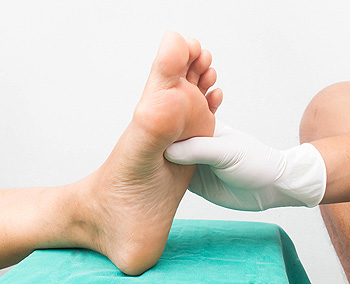
Research has indicated that flip flops are not the best shoes to wear. They can be difficult to keep on the feet, and the toes may strain in an effort to keep them on. Additionally, they have limited arch support, and cracked heels may develop as a result of the open back that flip flops have. A common foot condition that could gradually develop from frequently wearing this type of shoe may include plantar fasciitis. This affects the tendon that runs along the bottom of the foot which connects the toes to the heel. It may become inflamed as a result of wearing this shoe, which generally lacks adequate support and cushioning. If you wear flip flops for the majority of your day, it may be beneficial to alternate with shoes that have a closed back. Please consult with a podiatrist if you would like additional information about how flip flops may affect the feet.
Flip-flops are not always the best choice of footwear. If you have any concerns about your feet or ankles, contact Dr. Kendall Blackwell from InStride Wilson Podiatry Associates. Our doctor will assist you with all of your foot and ankle needs.
Flip-Flops and Feet
When the weather starts warming up, people enjoy wearing flip-flops. Flip-flops are comfortable, stylish, and easy to slip on and off; they're perfect for any summer beach goer. However, these shoes can cause harm to the feet.
How Can Flip-Flops Affect Me Long-Term?
- Ankle problems
- Hip problems
- Lower back problems
- Pain in the balls of the feet
- Problems with foot arches
- Changes in the way you walk
Are There Injuries Associated with Flip-Flops?
Yes. Since flip-flops are relatively weak and do not provide the same amount of support as sneakers, people who wear flip-flops regularly are more susceptible to injuries. On top of that, the open nature of the shoe makes your feet more prone to other problems, such as cuts and even infections. Common injuries and ailments include:
- Sprained ankles
- Blisters
- Infections
- Cuts and Scrapes
I like Wearing Flip-Flops. Are There Safe Alternatives?
When buying flip-flops, try to find ones that have sturdy soles and that are made of high-quality materials that will support for your feet. These flip-flops will cost more but will also last longer as a result.
If you have any questions please feel free to contact our office located in Wilson, NC . We offer the newest diagnostic and treatment technologies for all your foot and ankle needs.
Reminder: When Was the Last Time...?
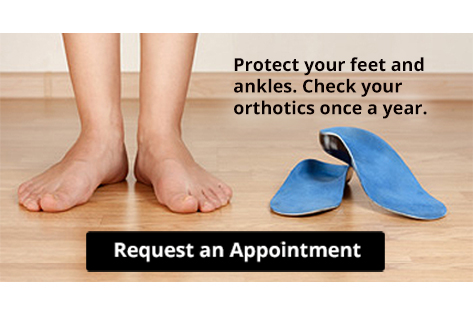
Custom orthotics, or shoe inserts, should be periodically replaced. Orthotics must fit properly to give you the best results. Protect your feet and ankles!
Elderly Feet and Regular Foot Care
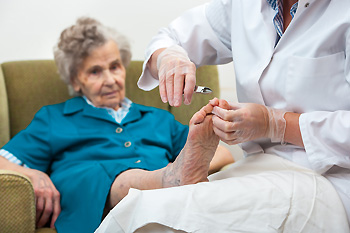 Foot pain may be a common ailment among elderly people. This may be a result of the amount of walking and running that has occurred during their lifetimes. It is beneficial if the soles of the feet are regularly checked by a podiatrist to determine if there are cuts on the feet that will not heal. The socks that are worn should fit correctly, be seamless, and be made of cotton, which is a breathable material. A podiatrist will trim the toenails correctly, which can be helpful if there are existing circulation issues. If you or an elderly relative needs help in caring for the feet, please consult with a podiatrist.
If you need your feet checked, contact Dr. Kendall Blackwell of InStride Wilson Podiatry Associates. Our doctor will attend to all of your foot and ankle needs and provide you with quality treatment.
Geriatrics and Podiatry
When people age, some common issues that may occur are bone density loss, dry skin, poor circulation, and rough brittle nails. These issues may also affect your foot health if the necessary steps are not taken to alleviate the problems.
It is important to take care of your feet because feet that are injured or diseased can affect your overall health. Having painful feet hinders your ability to do daily activities or may decrease your willingness to do the things that you need to do.
Visiting Your Geriatrician
As we age, health problems become more likely, so it is essential to visit your doctor for check-ups to ensure that you are doing the best you can to take care of your health. It is recommended to check your feet frequently for any possible cuts, bruises, swelling, corns or any other irregularities.
Taking Care of Elderly Feet
Cracked or dry feet can be treated by applying moisturizer often. It is also important not to wear old socks because the older the sock is, the higher the possibility there will be that there is bacteria there. Wear fresh socks and make sure they fit properly.
Proper foot health means that you can have a more active lifestyle and you will not be bogged down by pain. Foot health also leads to good circulation, which is paramount for overall health.
If you have any questions, please feel free to contact our office located in Wilson, NC . We offer the newest diagnostic tools and technology to treat your foot and ankle needs.
How to Handle Poor Foot Circulation
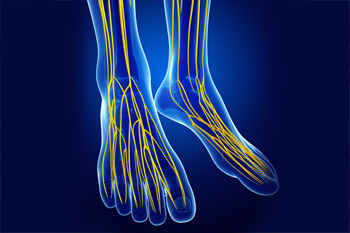 Those who are living with diabetes may be more likely to experience poor circulation in their feet. Poor circulation can lead to a number of foot complications including neuropathy and peripheral artery disease. There are, however, a few things you can do to better prevent poor circulation. Resisting smoking is a good way to reduce your likelihood of having poor circulation, since smoking makes arteries harden faster. Maintaining healthy blood pressure and cholesterol levels may also assist in reducing poor circulation. It is additionally recommended to practice an exercise routine, as exercise helps to stimulate blood flow. Because poor circulation can lead to more severe foot complications, it is recommended that you consult with a podiatrist for a proper diagnosis and advice on treatment options.
While poor circulation itself isn’t a condition; it is a symptom of another underlying health condition you may have. If you have any concerns with poor circulation in your feet contact Dr. Kendall Blackwell of InStride Wilson Podiatry Associates. Our doctor will treat your foot and ankle needs.
Poor Circulation in the Feet
Peripheral artery disease (PAD) can potentially lead to poor circulation in the lower extremities. PAD is a condition that causes the blood vessels and arteries to narrow. In a linked condition called atherosclerosis, the arteries stiffen up due to a buildup of plaque in the arteries and blood vessels. These two conditions can cause a decrease in the amount of blood that flows to your extremities, therefore resulting in pain.
Symptoms
Some of the most common symptoms of poor circulation are:
- Numbness
- Tingling
- Throbbing or stinging pain in limbs
- Pain
- Muscle Cramps
Treatment for poor circulation often depends on the underlying condition that causes it. Methods for treatment may include insulin for diabetes, special exercise programs, surgery for varicose veins, or compression socks for swollen legs.
As always, see a podiatrist as he or she will assist in finding a regimen that suits you. A podiatrist can also prescribe you any needed medication.
If you have any questions, please feel free to contact our office located in Wilson, NC . We offer the newest diagnostic and treatment technologies for all your foot care needs.
Yoga Poses May Help to Strengthen the Toes
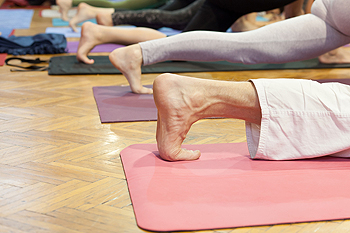 The overall feeling of your body may be improved by properly stretching your feet. It is an effective method of keeping them flexible, which can make daily activities easier to accomplish. A popular stretch for the sole of the foot is practiced when a tennis ball is used. It can be placed under the foot and rolled back and forth. This may be helpful in massaging specific pressure points that are located in the bottom of the foot. A yoga pose that is referred to as mountain pose, can be beneficial in keeping the toes strong. This is performed by standing with your weight evenly distributed on both feet, and gently lifting the toes up while keeping the rest of the foot on the floor. Strong ankles can be maintained when the foot is pointed and flexed, which may help to increase mobility. If you would like additional information about the benefits of stretching the feet, it is suggested that you consult with a podiatrist.
Stretching the feet is a great way to prevent injuries. If you have any concerns with your feet consult with Dr. Kendall Blackwell from InStride Wilson Podiatry Associates. Our doctor will assess your condition and provide you with quality foot and ankle treatment.
Stretching the Feet
Stretching the muscles in the foot is an important part in any physical activity. Feet that are tight can lead to less flexibility and make you more prone to injury. One of the most common forms of foot pain, plantar fasciitis, can be stretched out to help ease the pain. Stretching can not only ease pain from plantar fasciitis but also prevent it as well. However, it is important to see a podiatrist first if stretching is right for you. Podiatrists can also recommend other ways to stretch your feet. Once you know whether stretching is right for you, here are some excellent stretches you can do.
- Using a foam roller or any cylindrical object (a water bottle or soda can will do), roll the object under your foot back and forth. You should also exert pressure on the object. Be sure to do this to both feet for a minute. Do this exercise three times each.
- Similar to the previous one, take a ball, such as a tennis ball, and roll it under your foot while seated and exert pressure on it.
- Grab a resistance band or towel and take a seat. If you are using a towel, fold it length wise. Next put either one between the ball of your foot and heel and pull with both hands on each side towards you. Hold this for 15 seconds and then switch feet. Do this three times for each foot.
- Finally hold your big toe while crossing one leg over the other. Pull the toe towards you and hold for 15 seconds. Once again do this three times per foot.
It is best to go easy when first stretching your foot and work your way up. If your foot starts hurting, stop exercising and ice and rest the foot. It is advised to then see a podiatrist for help.
If you have any questions, please feel free to contact our office located in Wilson, NC . We offer the newest diagnostic and treatment technologies for all your foot care needs.
