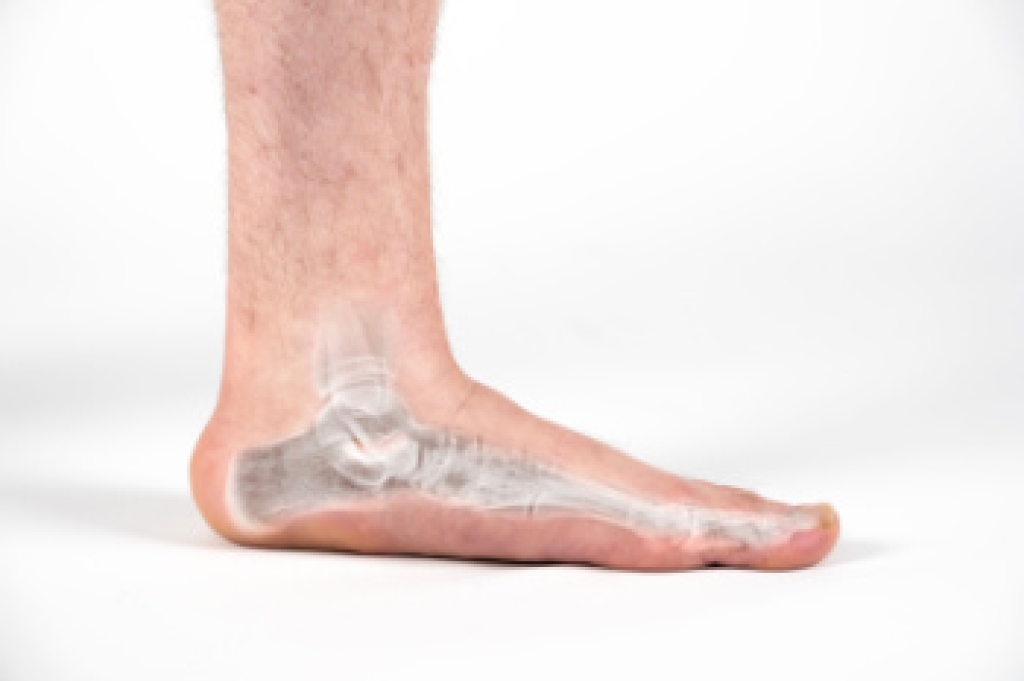
When Flat Feet Begin to Cause Discomfort

Flat feet occur when the arches on the inside of the feet are low or appear flattened while standing. This causes more of the sole to make contact with the ground. Flat feet are common, and many people have no pain or difficulty with movement. In children, the arch may not become noticeable until around 10 years of age. Some people continue to have flat feet as adults without experiencing problems. However, others may develop discomfort that affects walking or physical activity. Flat feet can be flexible, meaning an arch appears when the foot is not bearing weight, or rigid, meaning the arch remains flat.


Several factors can contribute to flat feet. Some people inherit a foot shape that makes flattened arches more likely. Other cases may develop because of problems affecting the muscles, ligaments, or bones that support the feet. Flat feet may also become more noticeable with age as the structures supporting the arch change. When symptoms occur, people may experience pain around the arch or heel. The feet may also become tired more easily after standing or walking. In some cases, flat feet can affect how the ankles and legs are positioned during movement. A professional evaluation can help determine whether flattened arches are contributing to discomfort or changes in walking.


A podiatrist examines the feet while a patient stands and walks to assess arch structure and overall foot function. The evaluation may also include checking joint movement and identifying areas of pain. If flat feet are causing symptoms, podiatry treatment can be based on the individual’s foot structure and level of discomfort. A podiatrist may recommend professionally selected footwear or orthotic devices when appropriate. Further testing may be needed if another problem is suspected. If flat feet are causing persistent pain or making walking and physical activity difficult, it is suggested that you consult a podiatrist for an evaluation and appropriate treatment options.

Flatfoot is a condition many people suffer from. If you have flat feet, contact Dr. Kendall Blackwell from InStride Wilson Podiatry Associates. Our doctor will treat your foot and ankle needs.

What Are Flat Feet?

Flatfoot is a condition in which the arch of the foot is depressed and the sole of the foot is almost completely in contact with the ground. About 20-30% of the population generally has flat feet because their arches never formed during growth.

Conditions & Problems:

Having flat feet makes it difficult to run or walk because of the stress placed on the ankles.

Alignment – The general alignment of your legs can be disrupted, because the ankles move inward which can cause major discomfort.

Knees – If you have complications with your knees, flat feet can be a contributor to arthritis in that area.  

Symptoms

  • Pain around the heel or arch area
  • Trouble standing on the tip toe
  • Swelling around the inside of the ankle
  • Flat look to one or both feet
  • Having your shoes feel uneven when worn

Treatment

If you are experiencing pain and stress on the foot you may weaken the posterior tibial tendon, which runs around the inside of the ankle. 

If you have any questions, please feel free to contact our office located in Wilson, NC . We offer the newest diagnostic and treatment technologies for all your foot care needs.
Read more about Flat Feet

Foot Pain and Arthritis

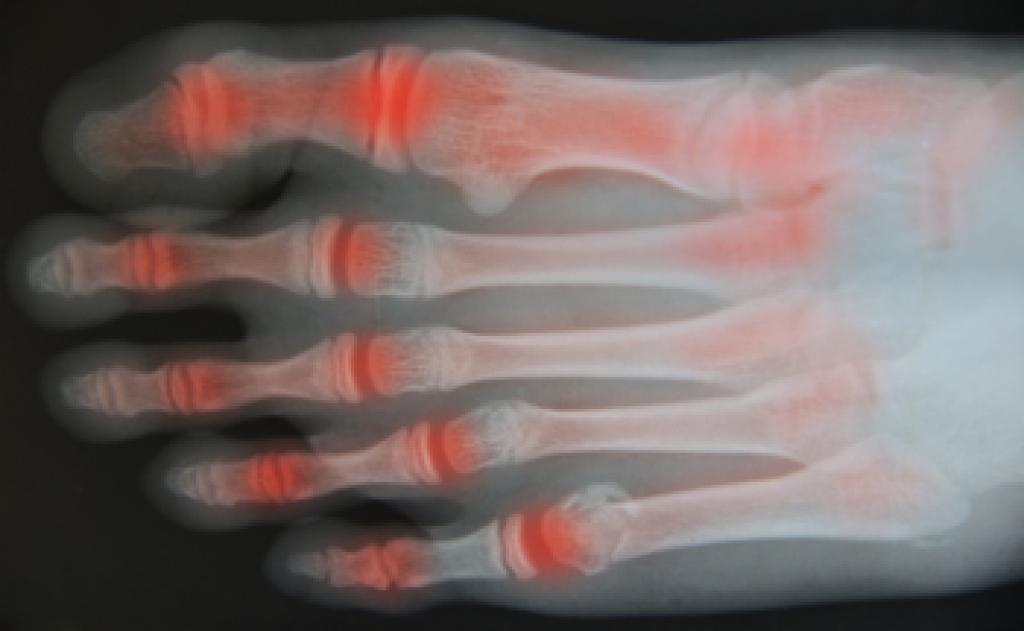
Foot pain can be a sign of arthritis, a condition that causes inflammation and damage within the joints. The feet contain many small joints that work together to support movement and balance, making them vulnerable to arthritic changes. Osteoarthritis, rheumatoid arthritis, and psoriatic arthritis are common types that affect the feet. Each type has a different cause, but all can lead to discomfort and reduced mobility if not treated properly.

Osteoarthritis is a degenerative condition that develops as cartilage wears down over time. This leads to joint stiffness, pain, and reduced flexibility. Rheumatoid arthritis is an autoimmune disease in which the immune system attacks the joints, causing inflammation, swelling, and joint deformity. Psoriatic arthritis is linked to psoriasis and results in joint pain along with skin changes. Each form of arthritis can affect the toes, midfoot, or ankle, depending on the severity and progression.


Symptoms of arthritis in the feet often include joint pain, swelling, and difficulty walking. Some individuals notice warmth surrounding the joints or a grinding sensation with movement. Pain may worsen after activity or long periods of rest. Over time, joint damage can lead to changes in foot structure, making it more difficult to wear shoes comfortably or maintain normal activity levels.


Risk factors include aging, autoimmune conditions, and previous joint injuries. Early diagnosis can help manage symptoms and slow progression. Treatment may involve wearing supportive footwear, orthotics, and medical management to reduce inflammation and improve function. If you have symptoms of arthritis in your feet, it is suggested that you consult a podiatrist for effective relief and management solutions.

Arthritis can be a difficult condition to live with. If you are seeking treatment, contact Dr. Kendall Blackwell from InStride Wilson Podiatry Associates. Our doctor can provide the care you need to keep you pain-free and on your feet.

Arthritic Foot Care  

Arthritis is a term that is commonly used to describe joint pain.  The condition itself can occur to anyone of any age, race, or gender, and there are over 100 types of it.  Nevertheless, arthritis is more commonly found in women compared to men, and it is also more prevalent in those who are overweight. The causes of arthritis vary depending on which type of arthritis you have. Osteoarthritis for example, is often caused by injury, while rheumatoid arthritis is caused by a misdirected immune system.

Symptoms

  • Swelling
  • Pain
  • Stiffness
  • Decreased Range of Motion

Arthritic symptoms range in severity, and they may come and go. Some symptoms stay the same for several years but could potentially get worse with time. Severe cases of arthritis can prevent its sufferers from performing daily activities and make walking difficult.

Risk Factors

  • Occupation – Occupations requiring repetitive knee movements have been linked to osteoarthritis
  • Obesity – Excess weight can contribute to osteoarthritis development
  • Infection – Microbial agents can infect the joints and trigger arthritis
  • Joint Injuries – Damage to joints may lead to osteoarthritis
  • Age – Risk increases with age
  • Gender –Most types are more common in women
  • Genetics – Arthritis can be hereditary

If you suspect your arthritis is affecting your feet, it is crucial that you see a podiatrist immediately. Your doctor will be able to address your specific case and help you decide which treatment method is best for you.

If you have any questions please feel free to contact our office located in Wilson, NC . We offer the newest diagnostic tools and technology to treat your foot and ankle needs.

Read more about How to Care for Your Arthritic Foot

Choosing the Right Cane for Balance and Fall Prevention

A cane is a mobility aid designed to improve balance, reduce pressure on the lower extremities, and help prevent falls. It is commonly used by individuals recovering from foot or ankle injuries or those experiencing weakness or instability. A properly selected cane provides support during walking and can reduce strain on affected joints. Choosing the right cane involves understanding individual needs, body measurements, and the type of support required for safe movement. This simple tool can make a meaningful difference in daily mobility and independence.

Symptoms that may indicate the need for a cane include foot or ankle pain, instability while walking, and difficulty maintaining balance. Individuals recovering from sprains, fractures, or chronic conditions may benefit from added support. Risk factors for falls include poor balance, muscle weakness, and uneven walking surfaces. Without proper assistance, these factors can increase the likelihood of injury. A cane helps distribute weight more evenly and provides an additional point of contact with the ground, improving stability and confidence during movement.


Selecting a cane that fits correctly is essential for safety and effectiveness. The height should allow the handle to align with the wrist when the user stands upright with arms relaxed. This ensures proper posture and reduces strain on the shoulders and back. Learning how to use a cane is equally important. It should be held on the opposite side of the injured or weaker foot and moved in coordination with the affected leg. Different types of canes, including single point and quad-base designs, offer varying levels of support depending on individual needs.


Using a cane can support recovery from foot and ankle injuries while helping prevent further complications. A cane should be viewed as a supportive tool that enhances safety and independence. If you have a foot condition that would benefit from using a cane, it is suggested that you consult a podiatrist who can determine what type of cane is right for you.

Preventing falls among the elderly is very important. If you are older and have fallen or fear that you are prone to falling, consult with Dr. Kendall Blackwell from InStride Wilson Podiatry Associates. Our doctor will assess your condition and provide you with quality advice and care.

Every 11 seconds, an elderly American is being treated in an emergency room for a fall related injury. Falls are the leading cause of head and hip injuries for those 65 and older. Due to decreases in strength, balance, senses, and lack of awareness, elderly persons are very susceptible to falling. Thankfully, there are a number of things older persons can do to prevent falls.

How to Prevent Falls

Some effective methods that older persons can do to prevent falls include:

  • Enrolling in strength and balance exercise program to increase balance and strength
  • Periodically having your sight and hearing checked
  • Discuss any medications you have with a doctor to see if it increases the risk of falling
  • Clearing the house of falling hazards and installing devices like grab bars and railings
  • Utilizing a walker or cane
  • Wearing shoes that provide good support and cushioning
  • Talking to family members about falling and increasing awareness

Falling can be a traumatic and embarrassing experience for elderly persons; this can make them less willing to leave the house, and less willing to talk to someone about their fears of falling. Doing such things, however, will increase the likelihood of tripping or losing one’s balance. Knowing the causes of falling and how to prevent them is the best way to mitigate the risk of serious injury.  

If you have any questions, please feel free to contact our office located in Wilson, NC . We offer the newest diagnostic and treatment technologies for all your foot care needs.

Read more about Falls Prevention
scroll to top