
If left untreated, an ingrown toenail can lead to more serious concerns, such as an infection. Knowing proper nail care can help in the prevention of an ingrown toenail. Give us a call, and get treated!
If left untreated, an ingrown toenail can lead to more serious concerns, such as an infection. Knowing proper nail care can help in the prevention of an ingrown toenail. Give us a call, and get treated!

Ankle sprains frequently affect volleyball players due to the physical demands of the sport. A sprain occurs when the ligaments around the ankle are stretched beyond their normal range, often during a sudden or forceful movement. This type of stretching injury commonly happens when players land improperly after a jump or shift direction quickly during play. The ankle may roll outward, placing excessive strain on the supporting ligaments and leading to injury.
The symptoms of an ankle sprain can vary, but often include swelling, pain, and bruising. Players may experience instability and have difficulty walking or placing weight on the injured foot. In some cases, the ankle may feel weak or unstable during movement. Risk factors include frequent jumping, fast-paced directional changes, and close contact with other players. Wearing unsupportive footwear and skipping proper warm-up routines can further increase the risk of injury. Previous ankle injuries also make players more vulnerable to future sprains.
Ankle sprains are divided into three grades to describe their severity. A grade 1 sprain involves slight ligament stretching with mild symptoms and minimal swelling. A grade 2 sprain includes a partial ligament tear, causing moderate pain, swelling, and limited mobility. A grade 3 sprain is the most severe and involves a complete ligament tear, leading to intense pain, significant swelling, and an inability to bear weight. Accurate diagnosis helps determine the appropriate level of care.
Preventing ankle sprains in volleyball requires attention to strength, technique, and recovery. Balance training and wearing supportive footwear can improve stability and reduce stress on the ankle joint. Allowing time for recovery between games and practices is also important. Recognizing early symptoms can help prevent more serious injury. If you enjoy volleyball and have sprained your ankle, it is suggested that you consult a podiatrist who can offer effective relief and treatment solutions.
Sports related foot and ankle injuries require proper treatment before players can go back to their regular routines. For more information, contact Dr. Kendall Blackwell of InStride Wilson Podiatry Associates. Our doctor can provide the care you need to keep you pain-free and on your feet.
Sports Related Foot and Ankle Injuries
Foot and ankle injuries are a common occurrence when it comes to athletes of any sport. While many athletes dismiss the initial aches and pains, the truth is that ignoring potential foot and ankle injuries can lead to serious problems. As athletes continue to place pressure and strain the area further, a mild injury can turn into something as serious as a rupture and may lead to a permanent disability. There are many factors that contribute to sports related foot and ankle injuries, which include failure to warm up properly, not providing support or wearing bad footwear. Common injuries and conditions athletes face, including:
Sports related injuries are commonly treated using the RICE method. This includes rest, applying ice to the injured area, compression and elevating the ankle. More serious sprains and injuries may require surgery, which could include arthroscopic and reconstructive surgery. Rehabilitation and therapy may also be required in order to get any recovering athlete to become fully functional again. Any unusual aches and pains an athlete sustains must be evaluated by a licensed, reputable medical professional.
If you have any questions please contact our office located in Wilson, NC . We offer the newest diagnostic and treatment technologies for all your foot and ankle needs.

Plantar fasciitis causes pain when the thick band of tissue along the bottom of the foot becomes irritated. This band, called the plantar fascia, supports the arch and helps the foot handle pressure. Pain is usually strongest near the heel and can feel sharp with the first steps after rest. Gentle foot exercises can loosen tight tissue, improve flexibility, and strengthen muscles that support the feet. Exercise should not cause increasing pain. Patients should stop an exercise that worsens symptoms and ask a podiatrist for guidance.
Several gentle stretches can improve flexibility in the plantar fascia and nearby muscles. Seated stretches that draw the toes toward the shin help loosen the tissue along the sole. Standing stretches can target the bottom of the foot while keeping the heel firmly on the floor. Calf stretches also reduce tightness that can place added strain on the plantar fascia. Each movement should be slow and controlled, without bouncing or forcing the foot into an uncomfortable position. A podiatrist can recommend suitable stretches and explain how frequently they should be performed.
Strengthening exercises help the foot manage stress more effectively. For heel raises, stand near a stable surface and slowly rise onto the toes. Pause, then lower the heels in a controlled motion. Start with a few repetitions and increase them gradually as comfort allows. A podiatrist can examine foot structure, walking patterns, and the location of pain. The podiatrist can also determine whether the exercises are appropriate and show the patient how to perform them safely. Treatment can include custom orthotics, supportive taping, or recommendations for shoes that provide proper support. These measures can reduce pressure on the plantar fascia while exercise improves strength and movement. If you have symptoms of plantar fasciitis, it is suggested that you schedule an appointment with a podiatrist for a diagnosis and appropriate treatment.
Exercising your feet regularly with the proper foot wear is a great way to prevent injuries and build strength. If you have any concerns about your feet, contact Dr. Kendall Blackwell from InStride Wilson Podiatry Associates. Our doctor can provide the care you need to keep you pain-free and on your feet.
Exercise for Your Feet
Exercise for your feet can help you gain strength, mobility and flexibility in your feet. They say that strengthening your feet can be just as rewarding as strengthening another part of the body. Your feet are very important, and we often forget about them in our daily tasks. But it is because of our feet that are we able to get going and do what we need to. For those of us fortunate enough to not have any foot problems, it is an important gesture to take care of them to ensure good health in the long run.
Some foot health exercises can include ankle pumps, tip-toeing, toe rises, lifting off the floor doing reps and sets, and flexing the toes. It is best to speak with Our doctor to determine an appropriate regimen for your needs. Everyone’s needs and bodies are different, and the activities required to maintain strength in the feet vary from individual to individual.
Once you get into a routine of doing regular exercise, you may notice a difference in your feet and how strong they may become.
If you have any questions, please feel free to contact our office located in Wilson, NC . We offer the newest diagnostic and treatment technologies for all your foot care needs.
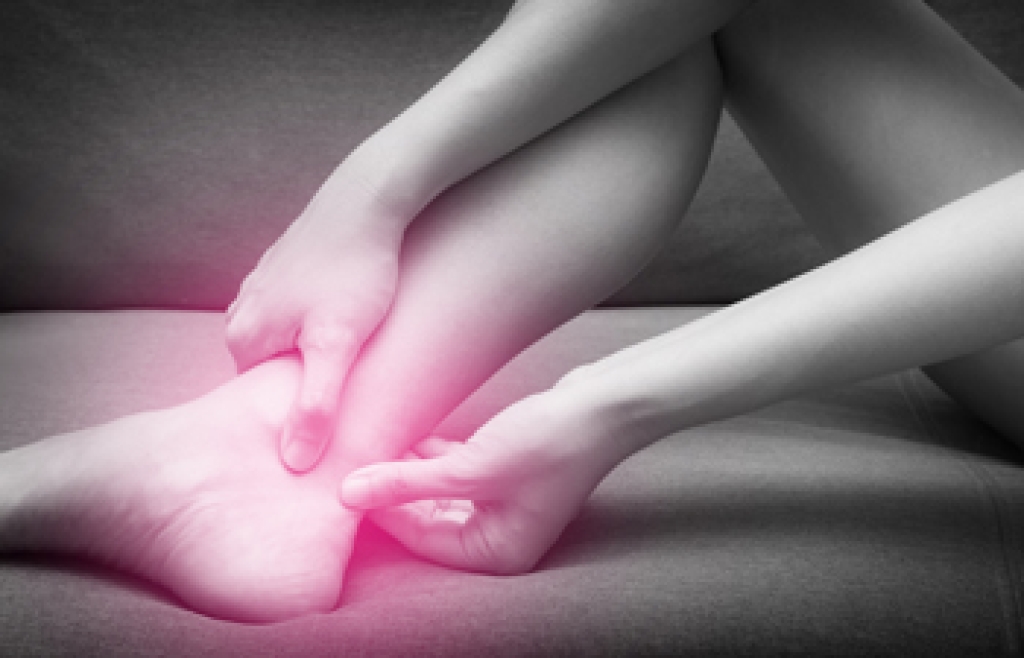
The Achilles tendon is a band of tissue that connects the calf muscles to the heel bone. It helps lift the heel when a person walks, runs, or jumps. Achilles tendonitis develops when this tendon becomes irritated and inflamed. Pain appears above the back of the heel and can become worse with activity. Signs include swelling, stiffness, and limited ankle motion. The area also can feel tender when touched. Runners and patients face a higher risk because repeated strain can irritate the tendon. An increase in exercise can place stress on it as well.
Several factors can contribute to Achilles tendonitis. Tight calf muscles can pull on the tendon and increase strain near the heel. Shoes that fit poorly or lack proper support can affect how pressure moves through the foot. Wearing high heels can shorten the calf muscles and place added stress on the tendon when other shoes are worn. Achilles tendonitis may be linked to a joint condition that affects other areas of the body. Without treatment, the tendon can weaken and become more likely to tear. Persistent heel pain should therefore receive professional attention before it interferes with daily movement or exercise.
A podiatrist can examine the heel, assess ankle motion, and identify the location of tenderness. The evaluation includes questions about symptoms, activity levels, and recent changes in exercise. The podiatrist may ask the patient to rise onto the balls of the feet to observe heel strength and movement. Imaging can provide detail when the cause or severity is unclear. An ultrasound or MRI may be ordered to reveal inflammation, damage, or a tear. Treatment from a podiatrist can include orthotics, supportive shoe recommendations, or a brace that limits harmful movement. If you have symptoms of Achilles tendonitis, it is suggested that you schedule an appointment with a podiatrist who can accurately diagnose and treat this condition.
Achilles tendon injuries need immediate attention to avoid future complications. If you have any concerns, contact Dr. Kendall Blackwell of InStride Wilson Podiatry Associates. Our doctor can provide the care you need to keep you pain-free and on your feet.
What Is the Achilles Tendon?
The Achilles tendon is a tendon that connects the lower leg muscles and calf to the heel of the foot. It is the strongest tendon in the human body and is essential for making movement possible. Because this tendon is such an integral part of the body, any injuries to it can create immense difficulties and should immediately be presented to a doctor.
What Are the Symptoms of an Achilles Tendon Injury?
There are various types of injuries that can affect the Achilles tendon. The two most common injuries are Achilles tendinitis and ruptures of the tendon.
Achilles Tendinitis Symptoms
Rupture Symptoms
Treatment and Prevention
Achilles tendon injuries are diagnosed by a thorough physical evaluation, which can include an MRI. Treatment involves rest, physical therapy, and in some cases, surgery. However, various preventative measures can be taken to avoid these injuries, such as:
If you have any questions please feel free to contact our office located in Wilson, NC . We offer the newest diagnostic tools and technology to treat your foot and ankle needs.
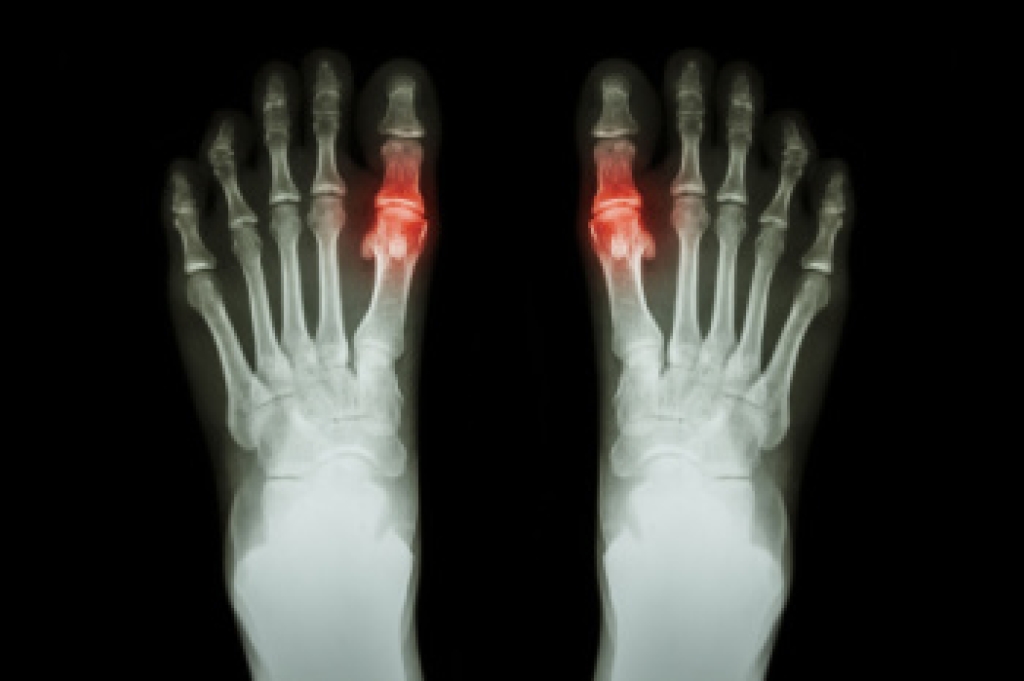
Gout is the most common type of inflammatory arthritis and often affects the foot, especially the big toe joint. It occurs when high levels of uric acid build up in the blood and form sharp crystals in the joints. These crystals trigger inflammation, leading to sudden and severe pain. The condition may develop quickly, and can return in repeated episodes if not managed properly. Understanding the definition and causes of gout is important for early recognition and treatment.
Symptoms of gout typically include intense pain in the big toe, swelling, and warmth around the joint. The pain often begins suddenly, sometimes during the night, and can be severe enough to limit movement. Some individuals may also experience stiffness or lingering discomfort after the initial attack. These symptoms can affect daily activities and may worsen, if left untreated. Early identification of these signs can help reduce the severity of flare-ups.
Risk factors for gout include high levels of uric acid in the body, which may result from diet, genetics, or certain medical conditions. Foods rich in purines, such as red meat and seafood, can increase uric acid production. Other risk factors include obesity, dehydration, and certain medications. Limited kidney function can also reduce the body ability to remove uric acid effectively. These factors contribute to crystal formation and joint inflammation over time.
Managing gout involves reducing uric acid levels and preventing future flare ups. Lifestyle changes such as maintaining a balanced diet, staying hydrated, and managing weight can help lower risk. Treatment may include medications to reduce inflammation and control uric acid levels. Monitoring symptoms and seeking professional care can improve long-term outcomes. If you have gout, it is strongly suggested that you are under the care of a podiatrist who can help you to manage this serious condition.
Gout is a painful condition that can be treated. If you are seeking treatment, contact Dr. Kendall Blackwell from InStride Wilson Podiatry Associates. Our doctor will treat your foot and ankle needs.
What Is Gout?
Gout is a form of arthritis that is characterized by sudden, severe attacks of pain, redness, and tenderness in the joints. The condition usually affects the joint at the base of the big toe. A gout attack can occur at any random time, such as the middle of the night while you are asleep.
Symptoms
Risk Factors
Prior to visiting your podiatrist to receive treatment for gout, there are a few things you should do beforehand. If you have gout you should write down your symptoms--including when they started and how often you experience them, important medical information you may have, and any questions you may have. Writing down these three things will help your podiatrist in assessing your specific situation so that he or she may provide the best route of treatment for you.
If you have any questions, please feel free to contact our office located in Wilson, NC . We offer the newest diagnostic and treatment technologies for all your foot care needs.
