
Your feet are covered most of the day. If you're diabetic, periodic screening is important for good health. Numbness is often a sign of diabetic foot and can mask a sore or wound.
Your feet are covered most of the day. If you're diabetic, periodic screening is important for good health. Numbness is often a sign of diabetic foot and can mask a sore or wound.
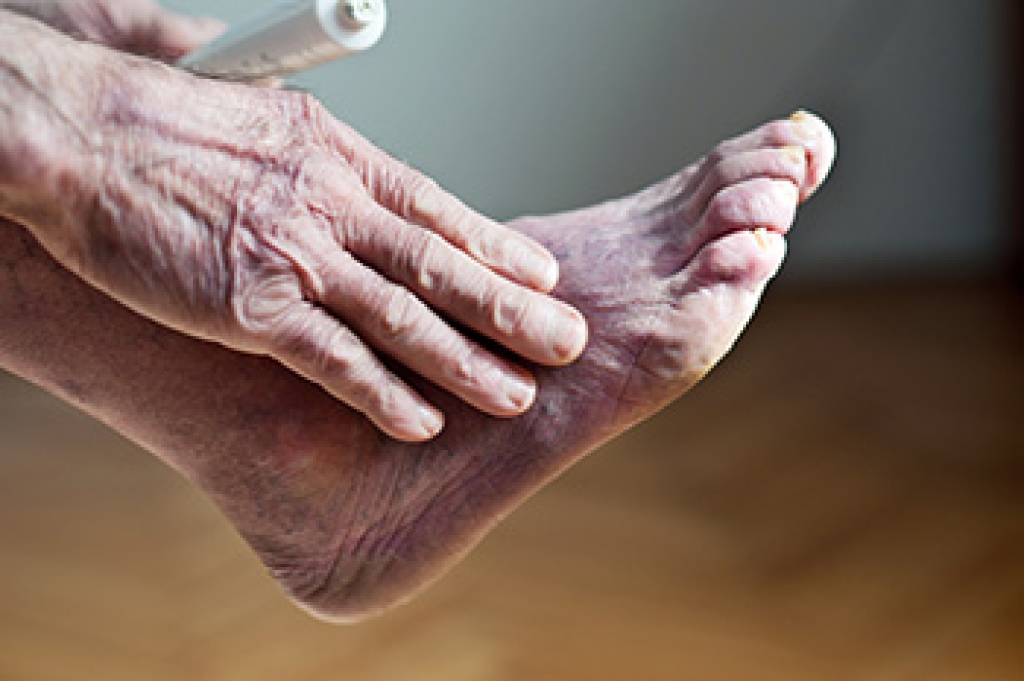
Poor circulation in the feet occurs when blood does not flow as efficiently as it should to the lower legs and feet. Healthy circulation is essential because blood delivers oxygen and nutrients that help tissues function properly. When circulation is reduced, the feet may not receive everything they need to stay healthy. Poor circulation is often linked to underlying medical conditions rather than being a problem by itself. Conditions like peripheral artery disease, diabetes, or blood vessel disorders may contribute to reduced blood flow. Because circulation problems can lead to serious complications if left untreated, early evaluation is important. Identifying the cause of poor circulation may help protect foot health and support better long-term mobility.
Symptoms of poor circulation in the feet can develop gradually and may become more noticeable over time. Many people experience cold feet, numbness, or tingling that affects everyday comfort. Others notice swelling or changes in skin color that may indicate reduced blood flow. Some individuals develop slow-healing wounds or pain while walking that improves with rest. Persistent circulation problems may also increase the risk of infections and other foot complications. Since these symptoms may be related to several medical conditions, a professional examination is important to determine the underlying cause. Prompt evaluation can help prevent further damage and support healthier foot function.
A podiatrist plays an important role in identifying foot problems related to poor circulation and monitoring changes that may affect long-term health. During an examination, the podiatrist evaluates circulation, checks the condition of the skin and nails, and looks for signs of tissue damage. Treatment focuses on protecting the feet, managing complications, and coordinating care when underlying medical conditions are involved. Regular podiatry visits may also help detect problems before they become more serious. If you are experiencing cold feet, numbness, or slow-healing wounds, it is suggested that you consult a podiatrist for an evaluation and appropriate treatment options.
While poor circulation itself isn’t a condition; it is a symptom of another underlying health condition you may have. If you have any concerns with poor circulation in your feet contact Dr. Kendall Blackwell of InStride Wilson Podiatry Associates. Our doctor will treat your foot and ankle needs.
Poor Circulation in the Feet
Peripheral artery disease (PAD) can potentially lead to poor circulation in the lower extremities. PAD is a condition that causes the blood vessels and arteries to narrow. In a linked condition called atherosclerosis, the arteries stiffen up due to a buildup of plaque in the arteries and blood vessels. These two conditions can cause a decrease in the amount of blood that flows to your extremities, therefore resulting in pain.
Symptoms
Some of the most common symptoms of poor circulation are:
Treatment for poor circulation often depends on the underlying condition that causes it. Methods for treatment may include insulin for diabetes, special exercise programs, surgery for varicose veins, or compression socks for swollen legs.
As always, see a podiatrist as he or she will assist in finding a regimen that suits you. A podiatrist can also prescribe you any needed medication.
If you have any questions, please feel free to contact our office located in Wilson, NC . We offer the newest diagnostic and treatment technologies for all your foot care needs.

When a toenail grows into the surrounding skin and causes ongoing pain, foot surgery can provide lasting relief. This problem usually affects the big toe and can make even short walks uncomfortable. As the ingrown toenail presses deeper into the skin, the area becomes red, tender, and difficult to touch. Drainage or repeated infections may return after temporary improvement. When the condition continues or keeps coming back, a podiatrist can examine the toe, explain the cause, and determine whether surgery is the best treatment. Surgery removes the part of the nail causing the problem, and in some cases, the entire nail is removed. A podiatrist also decides whether to treat the area where the toenail grows to help prevent the ingrown toenail from coming back.
Before recommending surgery, the podiatrist reviews your health history and examines the toe carefully. This helps in choosing the treatment that offers the best chance for healing, while also reducing the risk of future problems. Ingrown toenail surgery is usually performed with a local anesthetic, which numbs the toe while the patient remains awake. The procedure generally takes only a few minutes, and most patients return home the same day. Depending on the condition of the toe, the podiatrist removes part of the nail or the entire nail. Medication can be used to prevent the troublesome section of the nail from growing back.
Recovery includes protecting the treated toe and following the podiatrist's instructions carefully. Mild discomfort, swelling, and tenderness are expected while the area heals. Like any procedure, surgery includes possible risks. These include bleeding, infection, and scarring. In some cases, the ingrown toenail returns and another procedure becomes necessary. Most patients experience significant relief once healing is complete and can return to normal daily activities after their podiatrist says it is safe. If you have an extremely painful ingrown toenail, it is suggested that you schedule an appointment with a podiatrist to see if surgery is the right choice for you.
Foot surgery is sometimes necessary to treat a foot ailment. To learn more, contact Dr. Kendall Blackwell of InStride Wilson Podiatry Associates. Our doctor will assist you with all of your foot and ankle needs.
When Is Surgery Necessary?
Foot and ankle surgery is generally reserved for cases in which less invasive, conservative procedures have failed to alleviate the problem. Some of the cases in which surgery may be necessary include:
What Types of Surgery Are There?
The type of surgery you receive will depend on the nature of the problem you have. Some of the possible surgeries include:
Benefits of Surgery
Although surgery is usually a last resort, it can provide more complete pain relief compared to non-surgical methods and may allow you to finally resume full activity.
Surgical techniques have also become increasingly sophisticated. Techniques like endoscopic surgery allow for smaller incisions and faster recovery times.
If you have any questions, please feel free to contact our office located in Wilson, NC . We offer the newest diagnostic and treatment technologies for all your foot care needs.
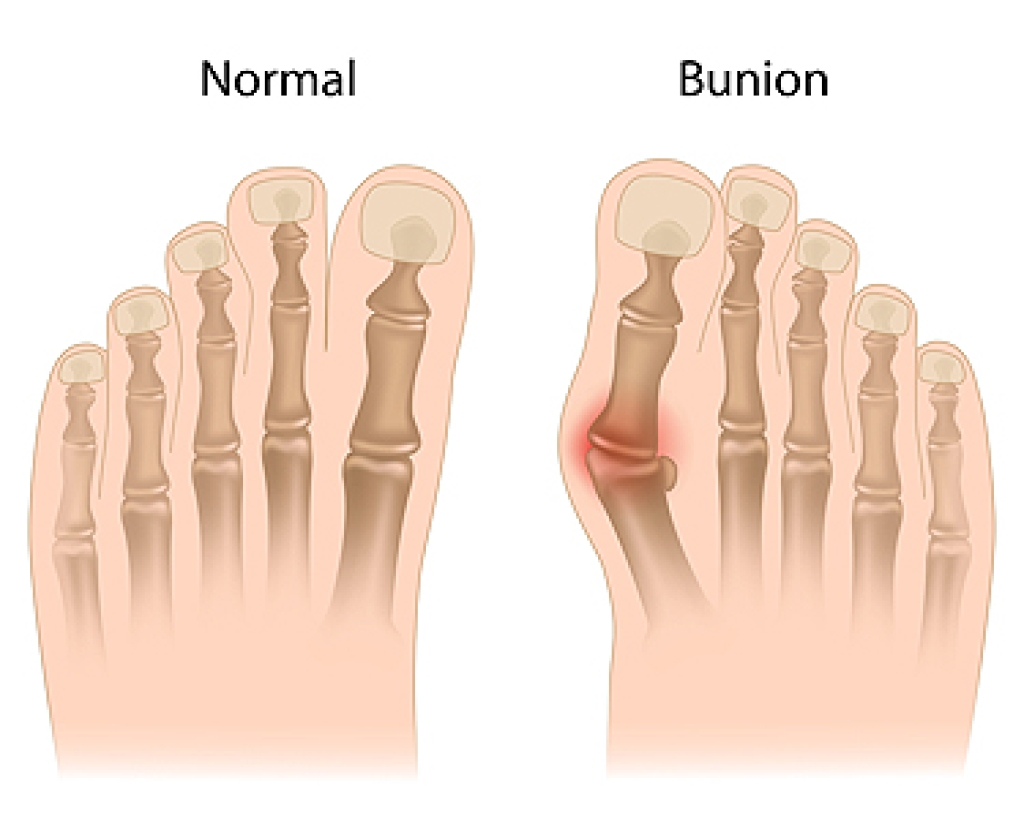
Bunions are structural deformities that affect the alignment of the big toe joint, often leading to discomfort and reduced mobility. This condition occurs when the first metatarsal bone shifts outward while the big toe angles inward, forming a noticeable bump. The imbalance in the foot structure places stress on surrounding tissues, which can lead to inflammation and pain. Bunions do not develop overnight. They form gradually as pressure builds on the joint. Understanding how bunions develop is essential for recognizing symptoms early and preventing further complications.
Common symptoms include aching pain around the base of the big toe, swelling, and visible enlargement of the joint. Many individuals report increased discomfort during activity or after long periods of standing. Wearing tight shoes can worsen symptoms, leading to redness and irritation. Some people experience stiffness in the toe joint, which limits flexibility and affects walking patterns. As the condition progresses, the toes may crowd together, creating additional pressure points. These symptoms can interfere with daily routines and reduce overall comfort if left untreated.
Risk factors for bunions include inherited foot mechanics, improper footwear, and repetitive stress on the feet. People with a family history of bunions are more likely to develop the condition due to a similar bone structure. Wearing shoes that compress the toes, such as narrow or high-heeled styles, increases the likelihood of joint misalignment. Activities that involve constant pressure on the forefoot can also contribute. In some cases, underlying conditions like inflammatory joint disease may accelerate bunion formation. Identifying these risk factors allows for preventive strategies that support foot alignment and function.
The causes of bunions center on mechanical stress and structural imbalance within the foot. Over time, uneven weight distribution forces the joint out of place, resulting in the characteristic bump. Managing bunions involves reducing pressure, improving foot support, and maintaining proper alignment. Custom orthotics, wider shoes, and activity modification can help alleviate symptoms and slow progression. If you have bunions and notice worsening pain or difficulty with footwear, it is suggested you consult a podiatrist to receive a thorough evaluation and personalized care plan.
If you are suffering from bunion pain, contact Dr. Kendall Blackwell of InStride Wilson Podiatry Associates. Our doctor can provide the care you need to keep you pain-free and on your feet.
What Is a Bunion?
Bunions are painful bony bumps that usually develop on the inside of the foot at the joint of the big toe. As the deformity increases over time, it may become painful to walk and wear shoes. Women are more likely to exacerbate existing bunions since they often wear tight, narrow shoes that shift their toes together. Bunion pain can be relieved by wearing wider shoes with enough room for the toes.
Causes
Symptoms
In order to diagnose your bunion, your podiatrist may ask about your medical history, symptoms, and general health. Your doctor might also order an x-ray to take a closer look at your feet. Nonsurgical treatment options include orthotics, padding, icing, changes in footwear, and medication. If nonsurgical treatments don’t alleviate your bunion pain, surgery may be necessary.
If you have any questions, please feel free to contact our office located in Wilson, NC . We offer the newest diagnostic and treatment technologies for all your foot care needs.
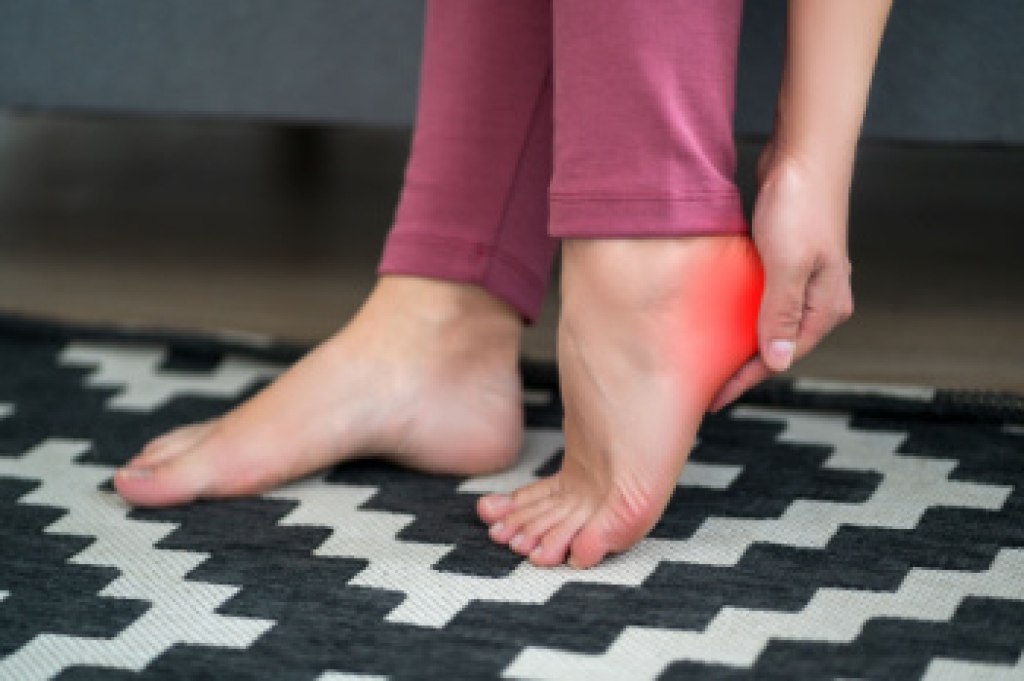
Heel spurs are bony growths that develop on the underside or back of the heel bone. They form after long-term stress, where muscles, tendons, or ligaments attach to the bone. A ligament is a strong band of tissue that connects one bone to another. Many heel spurs develop along with plantar fasciitis, which is irritation of the thick band of tissue that supports the arch of the foot. Some people have heel spurs without pain, while others feel sharp discomfort when standing or walking. Pain is frequently worse after getting out of bed or after sitting for a long period of time. Shoes that lack proper support, repeated strain, and excess body weight can increase the risk of developing a heel spur.
A podiatrist can determine whether a heel spur is causing your symptoms or whether another foot problem is responsible. The examination includes checking the location of the pain, your foot structure, and the way you walk. X-rays can show the presence of a heel spur and help rule out other conditions. Although the spur is easy to see on an X-ray, the surrounding soft tissue is frequently the source of the pain. Identifying the exact cause is important because treatment should focus on relieving the irritated tissue as well as reducing stress on the heel.
Treatment depends on the severity of the pain and the underlying condition. A podiatrist can recommend custom orthotics, supportive padding, or shoes that provide proper support to reduce pressure on the heel. Additional treatment includes anti-inflammatory medication, or corticosteroid injections to reduce pain and irritation. For patients with long-lasting symptoms that do not improve with other treatments, surgery can remove the heel spur or release the tight tissue causing the pain. Early evaluation helps prevent worsening discomfort and supports better movement. If you have symptoms of heel spurs, it is suggested that you schedule an appointment with a podiatrist for an accurate diagnosis and appropriate treatment.
Heel spurs can be incredibly painful and sometimes may make you unable to participate in physical activities. To get medical care for your heel spurs, contact Dr. Kendall Blackwell from InStride Wilson Podiatry Associates. Our doctor will do everything possible to treat your condition.
Heels Spurs
Heel spurs are formed by calcium deposits on the back of the foot where the heel is. This can also be caused by small fragments of bone breaking off one section of the foot, attaching onto the back of the foot. Heel spurs can also be bone growth on the back of the foot and may grow in the direction of the arch of the foot.
Older individuals usually suffer from heel spurs and pain sometimes intensifies with age. One of the main condition's spurs are related to is plantar fasciitis.
Pain
The pain associated with spurs is often because of weight placed on the feet. When someone is walking, their entire weight is concentrated on the feet. Bone spurs then have the tendency to affect other bones and tissues around the foot. As the pain continues, the feet will become tender and sensitive over time.
Treatments
There are many ways to treat heel spurs. If one is suffering from heel spurs in conjunction with pain, there are several methods for healing. Medication, surgery, and herbal care are some options.
If you have any questions, please feel free to contact our office located in Wilson, NC . We offer the newest diagnostic and treatment technologies for all your foot care needs.
