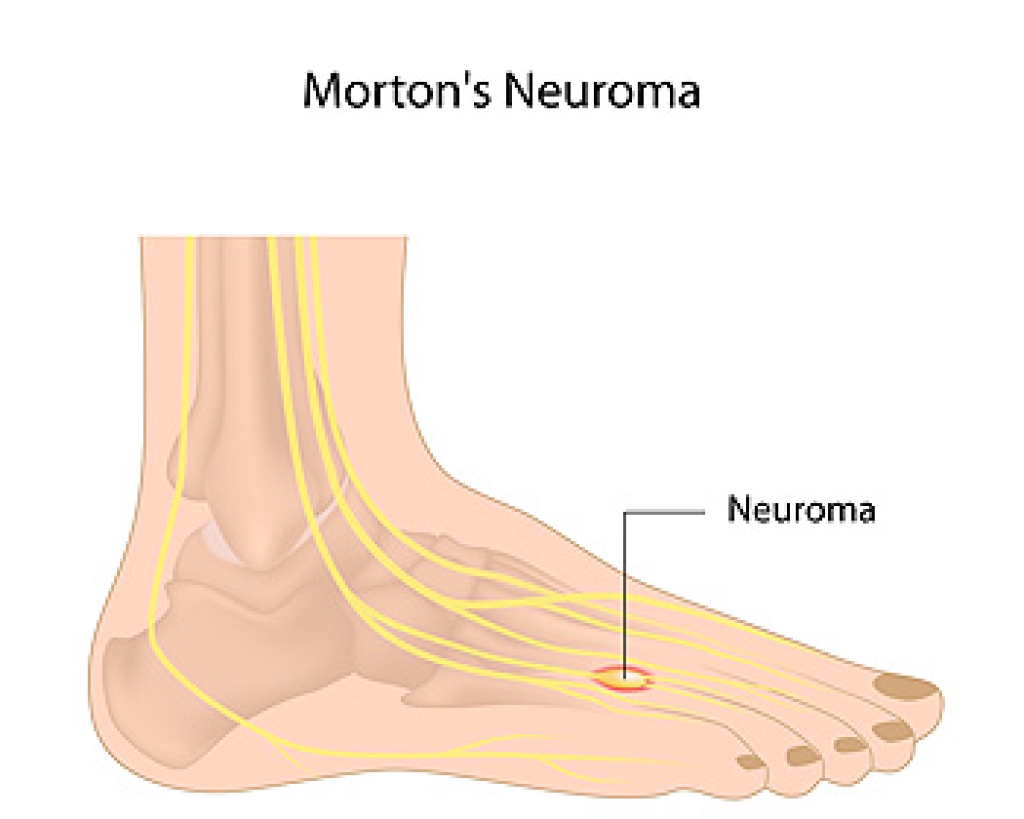
Indication of Morton’s Neuroma

Morton’s neuroma affects the ball of the foot, most commonly between the third and fourth toes. It is sometimes referred to as Morton’s disease, although it is not actually a disease but a nerve irritation or thickening of the tissue surrounding a nerve. This condition develops when the nerve leading to the toes becomes compressed or irritated, often causing sharp or burning pain. Many patients describe the sensation as walking on a small pebble or having a fold in their sock that will not go away.

The causes of Morton’s neuroma are closely related to repetitive pressure and irritation of the forefoot. Wearing tight or narrow shoes is one of the most common factors, especially footwear with a narrow toe box or high heels. These shoes place extra pressure on the front of the foot and squeeze the toes together. High-impact activities like running or sports that involve repeated forefoot stress can also increase the risk. In some cases, foot structure plays a role. This includes flat feet, high arches, or abnormal toe alignment, all of which can increase nerve compression.


Risk factors for Morton’s neuroma include prolonged use of improper footwear, participation in high-impact sports, and occupations that require long periods of standing or walking. Women are more commonly affected due to footwear choices, but the condition can occur in anyone. Symptoms often begin gradually with mild tingling or numbness in the toes. The pain may become more intense, especially when wearing shoes or applying pressure to the forefoot. Some people may also experience burning sensations or a feeling of instability when walking.


Diagnosis and treatment of Morton’s neuroma typically involve a thorough evaluation by a podiatrist. A physical examination, along with imaging if needed, helps confirm the condition and rule out other causes of foot pain. Treatment options may include footwear changes, custom orthotics, padding to reduce pressure, and anti-inflammatory measures. In more persistent cases, injections or minimally invasive procedures may be recommended to reduce nerve irritation. Surgery is considered when conservative treatments do not provide relief. If you have signs of Morton’s neuroma, it is strongly suggested that you consult a podiatrist for a proper diagnosis and treatment.

Morton’s neuroma is a very uncomfortable condition to live with. If you think you have Morton’s neuroma, contact Dr. Kendall Blackwell of InStride Wilson Podiatry Associates. Our doctor will attend to all of your foot care needs and answer any of your related questions.  

Morton’s Neuroma

Morton's neuroma is a painful foot condition that commonly affects the areas between the second and third or third and fourth toe, although other areas of the foot are also susceptible. Morton’s neuroma is caused by an inflamed nerve in the foot that is being squeezed and aggravated by surrounding bones.

What Increases the Chances of Having Morton’s Neuroma?

  • Ill-fitting high heels or shoes that add pressure to the toe or foot
  • Jogging, running or any sport that involves constant impact to the foot
  • Flat feet, bunions, and any other foot deformities

Morton’s neuroma is a very treatable condition. Orthotics and shoe inserts can often be used to alleviate the pain on the forefront of the feet. In more severe cases, corticosteroids can also be prescribed. In order to figure out the best treatment for your neuroma, it’s recommended to seek the care of a podiatrist who can diagnose your condition and provide different treatment options.

If you have any questions, please feel free to contact our office located in Wilson, NC . We offer the newest diagnostic and treatment technologies for all your foot care needs.

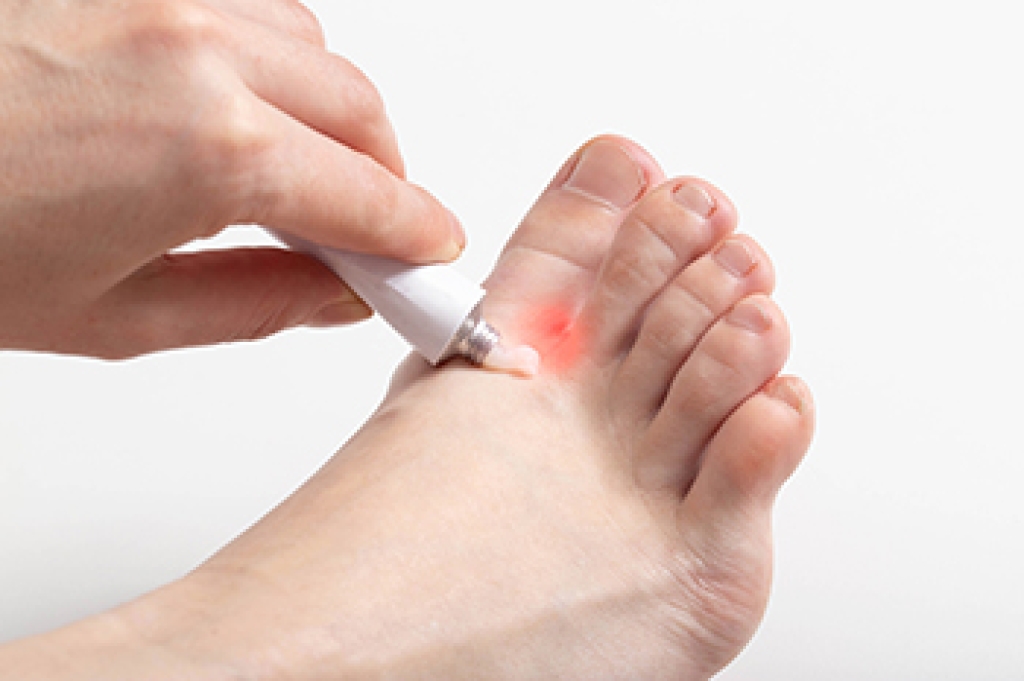
Read more about What is Morton's Neuroma?

It's Time for Beautiful Feet

You don't need an excuse to have beautiful nails. Step outside without worrying about the appearance of your feet.

Red Spots on the Feet

Red spots on the feet can be concerning and may have several causes, including athlete's foot or blisters. Athlete's foot often appears as red, flaky, or scaly patches, sometimes with cracking skin. It is caused by a fungal infection that thrives in warm, moist environments. It may feel itchy, burning, or irritated. Blisters are usually caused by friction from footwear or repetitive movement and may look like raised, fluid filled spots that feel tender, sore, or painful when walking. A podiatrist can help from the start by examining the skin, discussing symptoms, and determining whether the cause is fungal, mechanical, or related to another condition. Treatment may include antifungal medications, protective padding, blister care, or custom orthotics to reduce pressure. Early diagnosis helps prevent worsening symptoms and promotes faster healing and comfort. If you have suspicious red spots on your feet, it is suggested that you schedule an appointment with a podiatrist for effective relief solutions.

Athlete’s Foot

Athlete’s foot is often an uncomfortable condition to experience. Thankfully, podiatrists specialize in treating athlete’s foot and offer the best treatment options. If you have any questions about athlete’s foot, consult with Dr. Kendall Blackwell from InStride Wilson Podiatry Associates. Our doctor will assess your condition and provide you with quality treatment.

What Is Athlete’s Foot?

Tinea pedis, more commonly known as athlete’s foot, is a non-serious and common fungal infection of the foot. Athlete’s foot is contagious and can be contracted by touching someone who has it or infected surfaces. The most common places contaminated by it are public showers, locker rooms, and swimming pools. Once contracted, it grows on feet that are left inside moist, dark, and warm shoes and socks.

Prevention

The most effective ways to prevent athlete’s foot include:

  • Thoroughly washing and drying feet
  • Avoid going barefoot in locker rooms and public showers
  • Using shower shoes in public showers
  • Wearing socks that allow the feet to breathe
  • Changing socks and shoes frequently if you sweat a lot

Symptoms

Athlete’s foot initially occurs as a rash between the toes. However, if left undiagnosed, it can spread to the sides and bottom of the feet, toenails, and if touched by hand, the hands themselves. Symptoms include:

  • Redness
  • Burning
  • Itching
  • Scaly and peeling skin

Diagnosis and Treatment

Diagnosis is quick and easy. Skin samples will be taken and either viewed under a microscope or sent to a lab for testing. Sometimes, a podiatrist can diagnose it based on simply looking at it. Once confirmed, treatment options include oral and topical antifungal medications.

If you have any questions, please feel free to contact our office located in Wilson, NC . We offer the newest diagnostic and treatment technologies for all your foot care needs.
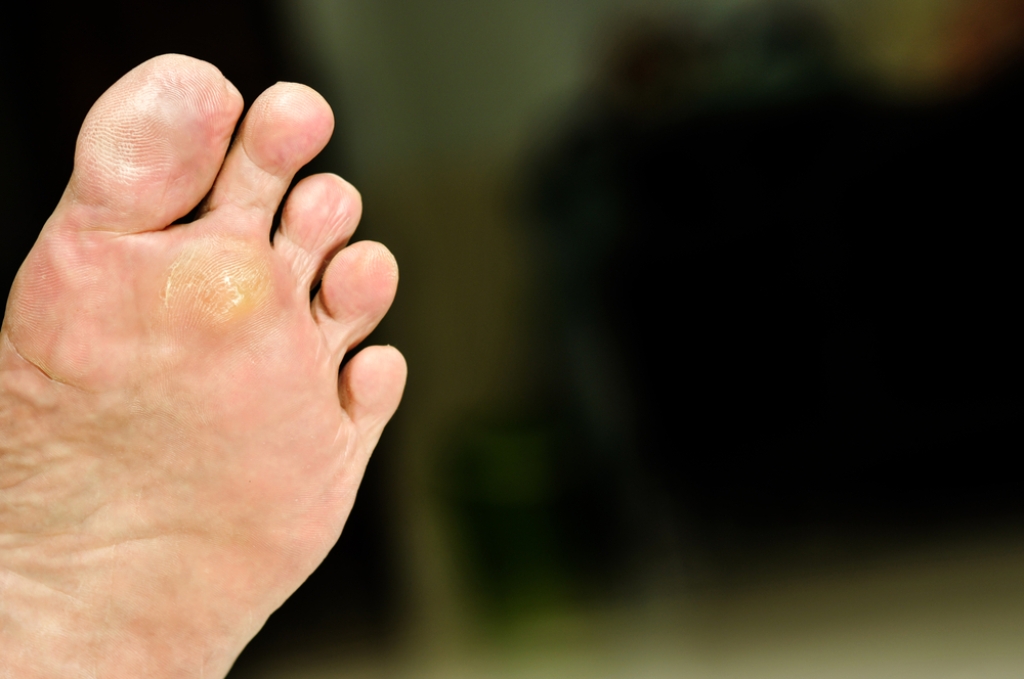
Read more about How to Deal with Athlete's Foot

Causes and Risks of Plantar Warts

Plantar warts are rough skin growths that develop on the bottoms of the feet, caused by the human papillomavirus, or HPV. The virus can enter the skin through small cuts or cracks. It grows in warm, moist places like locker rooms, pool decks, and public showers. Walking barefoot in these areas increases the risk of infection. Children, teenagers, older adults, and people with weakened immune systems have a higher risk of developing plantar warts. They can become painful because body weight presses them inward while standing or walking. Some people change the way they walk to avoid pressure on the wart, which can lead to foot pain and balance problems. Plantar warts are contagious and can spread to other parts of the body or to other people through direct contact or shared surfaces. If you have signs of plantar warts, it is suggested that you make an appointment with a podiatrist for an exam and treatment options.

Plantar warts can be very uncomfortable. If you need your feet checked, contact Dr. Kendall Blackwell from InStride Wilson Podiatry Associates. Our doctor will assist you with all of your foot and ankle needs.

About Plantar Warts

Plantar warts are the result of HPV, or human papillomavirus, getting into open wounds on the feet. They are mostly found on the heels or balls of the feet.

While plantar warts are generally harmless, those experiencing excessive pain or those suffering from diabetes or a compromised immune system require immediate medical care. Plantar warts are easily diagnosed, usually through scraping off a bit of rough skin or by getting a biopsy.

Symptoms

  • Lesions on the bottom of your feet, usually rough and grainy
  • Hard or thick callused spots
  • Wart seeds, which are small clotted blood vessels that look like little black spots
  • Pain, discomfort, or tenderness of your feet when walking or standing

Treatment

  • Freezing
  • Electric tool removal
  • Laser Treatment
  • Topical Creams (prescription only)
  • Over-the-counter medications

To help prevent developing plantar warts, avoid walking barefoot over abrasive surfaces that can cause cuts or wounds for HPV to get into. Avoiding direct contact with other warts, as well as not picking or rubbing existing warts, can help prevent the further spread of plantar warts. However, if you think you have developed plantar warts, speak to your podiatrist. He or she can diagnose the warts on your feet and recommend the appropriate treatment options.

If you have any questions, please feel free to contact our office located in Wilson, NC . We offer the newest diagnostic and treatment technologies for all your foot care needs.
Read more about What Are Plantar Warts?

Treating a Hammertoe Deformity

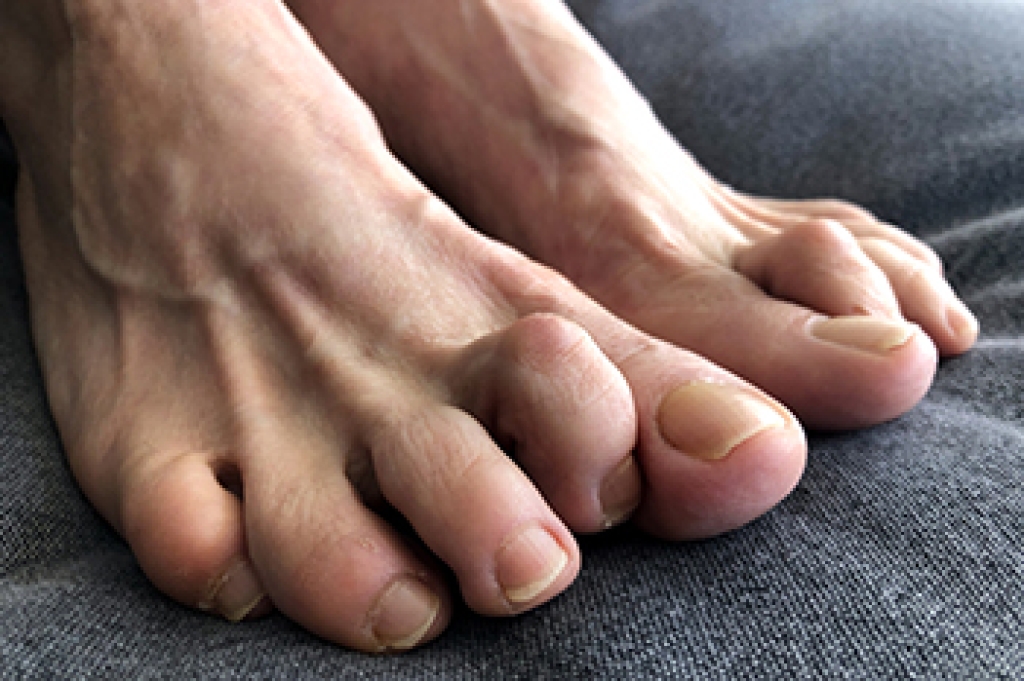
A hammertoe deformity develops when a toe bends abnormally at the middle joint, causing the toe to curl downward instead of lying flat. The second toe is most commonly affected. Hammertoes can develop from muscle and tendon imbalance, arthritis, or years of wearing tight shoes with a narrow toe box. Symptoms include toe pain, corns, calluses, and discomfort when walking or wearing shoes. Some people also develop pain in the ball of the foot because pressure shifts unevenly across the foot. A podiatrist can diagnose a hammertoe deformity through a foot exam and by checking the joints for signs of arthritis. Treatment includes wearing shoes with a wide toe box, protective toe pads, and custom orthotics to reduce pressure and improve foot alignment. Taping or splinting the toe can help support its position. In more severe cases, surgery can straighten the toe and relieve pain. If you are experiencing pain from a hammertoe deformity, it is suggested that you schedule an appointment with a podiatrist for appropriate treatment solutions.

Hammertoes can be a painful condition to live with. For more information, contact Dr. Kendall Blackwell of InStride Wilson Podiatry Associates. Our doctor will answer any of your foot- and ankle-related questions.

Hammertoe

Hammertoe is a foot deformity that occurs due to an imbalance in the muscles, tendons, or ligaments that normally hold the toe straight. It can be caused by the type of shoes you wear, your foot structure, trauma, and certain disease processes.

Symptoms

  • Painful and/or difficult toe movement
  • Swelling
  • Joint stiffness
  • Calluses/Corns
  • Physical deformity

Risk Factors

  • Age – The risk of hammertoe increases with age
  • Sex – Women are more likely to have hammertoe compared to men
  • Toe Length – You are more likely to develop hammertoe if your second toe is longer than your big toe
  • Certain Diseases – Arthritis and diabetes may make you more likely to develop hammertoe

Treatment

If you have hammertoe, you should change into a more comfortable shoe that provides enough room for your toes. Exercises such as picking up marbles may strengthen and stretch your toe muscles. Nevertheless, it is important to seek assistance from a podiatrist in order to determine the severity of your hammertoe and see which treatment option will work best for you.

If you have any questions, please feel free to contact our office located in Wilson, NC . We offer the newest diagnostic and treatment technologies for all your foot care needs.

Read more about Hammertoe
scroll to top