
Do you suffer from heel pain when you get up in the morning? If so, you should seek professional help and have a proper diagnosis performed. Heel pain can be caused by several different foot-related conditions.
Do you suffer from heel pain when you get up in the morning? If so, you should seek professional help and have a proper diagnosis performed. Heel pain can be caused by several different foot-related conditions.
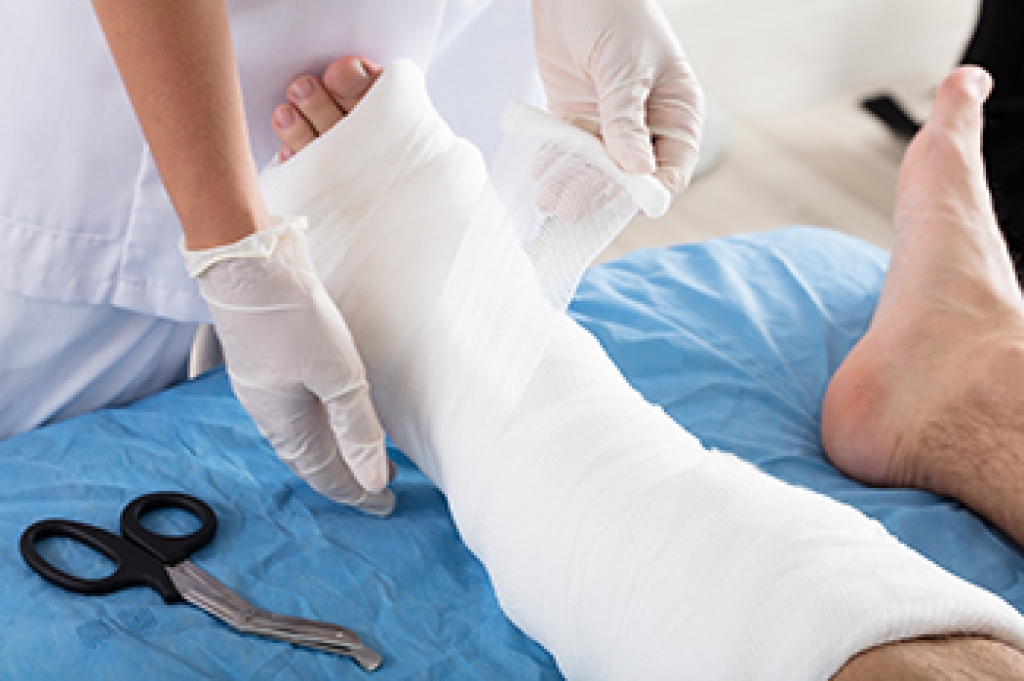
Off-loading is a key part of treating diabetic foot ulcers because it reduces pressure on the injured area, allowing the skin to heal. Diabetics may lose feeling in their feet resulting from nerve damage. This can lead to repeated pressure on one spot without them noticing pain. Such constant pressure can delay healing and increase the risk of infection. Off-loading works by shifting weight away from the ulcer with medical devices. These may include special boots, braces, or custom-made shoes that spread pressure more evenly across the foot. A podiatrist can evaluate the ulcer, check blood flow, and assess how pressure affects walking. Early care is important to prevent more serious complications and protect long-term foot health. If you have foot ulcers as a result of diabetes, it is suggested that you make an appointment with a podiatrist for a diagnosis and ongoing treatment.
Wound care is an important part in dealing with diabetes. If you have diabetes and a foot wound or would like more information about wound care for diabetics, consult with Dr. Kendall Blackwell from InStride Wilson Podiatry Associates. Our doctor will assess your condition and provide you with quality foot and ankle treatment.
What Is Wound Care?
Wound care is the practice of taking proper care of a wound. This can range from the smallest to the largest of wounds. While everyone can benefit from proper wound care, it is much more important for diabetics. Diabetics often suffer from poor blood circulation which causes wounds to heal much slower than they would in a non-diabetic.
What Is the Importance of Wound Care?
While it may not seem apparent with small ulcers on the foot, for diabetics, any size ulcer can become infected. Diabetics often also suffer from neuropathy, or nerve loss. This means they might not even feel when they have an ulcer on their foot. If the wound becomes severely infected, amputation may be necessary. Therefore, it is of the upmost importance to properly care for any and all foot wounds.
How to Care for Wounds
The best way to care for foot wounds is to prevent them. For diabetics, this means daily inspections of the feet for any signs of abnormalities or ulcers. It is also recommended to see a podiatrist several times a year for a foot inspection. If you do have an ulcer, run the wound under water to clear dirt from the wound; then apply antibiotic ointment to the wound and cover with a bandage. Bandages should be changed daily and keeping pressure off the wound is smart. It is advised to see a podiatrist, who can keep an eye on it.
If you have any questions please contact our office located in Wilson, NC . We offer the newest diagnostic and treatment technologies for all your foot and ankle needs.

Diabetic foot care is essential for maintaining comfort, mobility, and overall well-being. Foot ulcers are a common complication of diabetes and can greatly affect quality of life if left untreated. These wounds may develop due to reduced sensation from neuropathy, which can make it difficult to notice injuries or pressure points. Risk factors include poor circulation, high blood sugar levels, improper footwear, and lack of daily foot care. Daily inspection, keeping the skin clean and moisturized, and wearing supportive shoes can help decrease pain and prevent complications. A podiatrist can provide regular evaluations, treat concerns early, and offer personalized care. If you have diabetes, it is suggested that you are under the care of a podiatrist who can help you to manage this serious condition.
Diabetic foot care is important in preventing foot ailments such as ulcers. If you are suffering from diabetes or have any other concerns about your feet, contact Dr. Kendall Blackwell from InStride Wilson Podiatry Associates. Our doctor can provide the care you need to keep you pain-free and on your feet.
Diabetic Foot Care
Diabetes affects millions of people every year. The condition can damage blood vessels in many parts of the body, especially the feet. Because of this, taking care of your feet is essential if you have diabetes, and having a podiatrist help monitor your foot health is highly recommended.
The Importance of Caring for Your Feet
Patients with diabetes should have their doctor monitor their blood levels, as blood sugar levels play such a huge role in diabetic care. Monitoring these levels on a regular basis is highly advised.
It is always best to inform your healthcare professional of any concerns you may have regarding your feet, especially for diabetic patients. Early treatment and routine foot examinations are keys to maintaining proper health, especially because severe complications can arise if proper treatment is not applied.
If you have any questions, please feel free to contact our office located in Wilson, NC . We offer the newest diagnostic and treatment technologies for all your foot care needs.
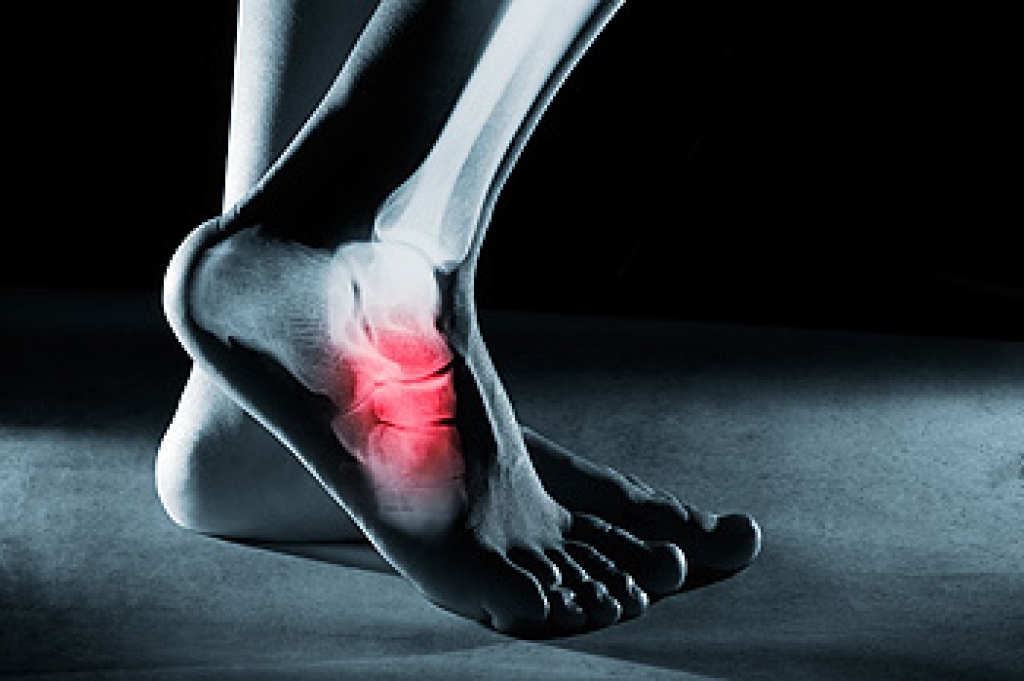
Mueller-Weiss disease is a rare foot condition that affects the navicular bone in the midfoot. It can lead to ongoing pain and changes in foot structure. The navicular bone helps in shock absorption and stability during movement. It is believed to develop when the bone does not receive enough blood flow and is placed under uneven pressure, which may cause it to weaken. People with this condition often notice aching or stiffness in the middle of the foot, especially while walking or during activity. Risk factors include unusual foot mechanics, repetitive stress, or developmental factors affecting the bone. Without proper care, symptoms can gradually worsen and impact daily mobility. A podiatrist can carefully evaluate the foot, confirm the diagnosis with imaging, and create a treatment plan that may include supportive devices or activity changes. If midfoot pain continues, it is suggested that you consult a podiatrist who can offer effective relief and management tips.
Some foot conditions may require additional professional care. If you have any concerns, contact Dr. Kendall Blackwell of InStride Wilson Podiatry Associates. Our doctor can provide the care you need to keep you pain-free and on your feet.
Rare Foot Conditions
The majority of foot conditions are common and can be treated by a podiatrist. Standard diagnostic procedures are generally used to identify specific conditions and treatment can be rendered. A podiatrist also treats rare foot conditions which can be difficult to diagnose and may need extra attention and care.
There are many rare foot conditions that can affect children. Some of these can include:
Freiberg’s disease - This can be seen as a deterioration and flattening of a metatarsal bone that exists in the ball of the foot. It typically affects pre-teen and teenage girls, but can affect anyone at any age. Symptoms that can accompany this can be swelling, stiffness, and the patient may limp.
Kohler’s disease - This often targets the bone in the arch of the foot and affects younger boys. It can lead to an interruption of the blood supply which ultimately can lead to bone deterioration. The patient may limp or experience tenderness, swelling, and redness.
Maffucci syndrome - This affects the long bones in a child’s foot leading to the development of abnormal bone lesions. They are benign growths and typically develop in early childhood and the bones may be susceptible to breaking.
A podiatrist can properly diagnose and treat all types of rare foot conditions. If your child is affected by any of these symptoms or conditions, please don’t hesitate to call our office so the correct treatment method can begin.
If you have any questions, please feel free to contact our office located in Wilson, NC . We offer the newest diagnostic and treatment technologies for all your foot care needs.
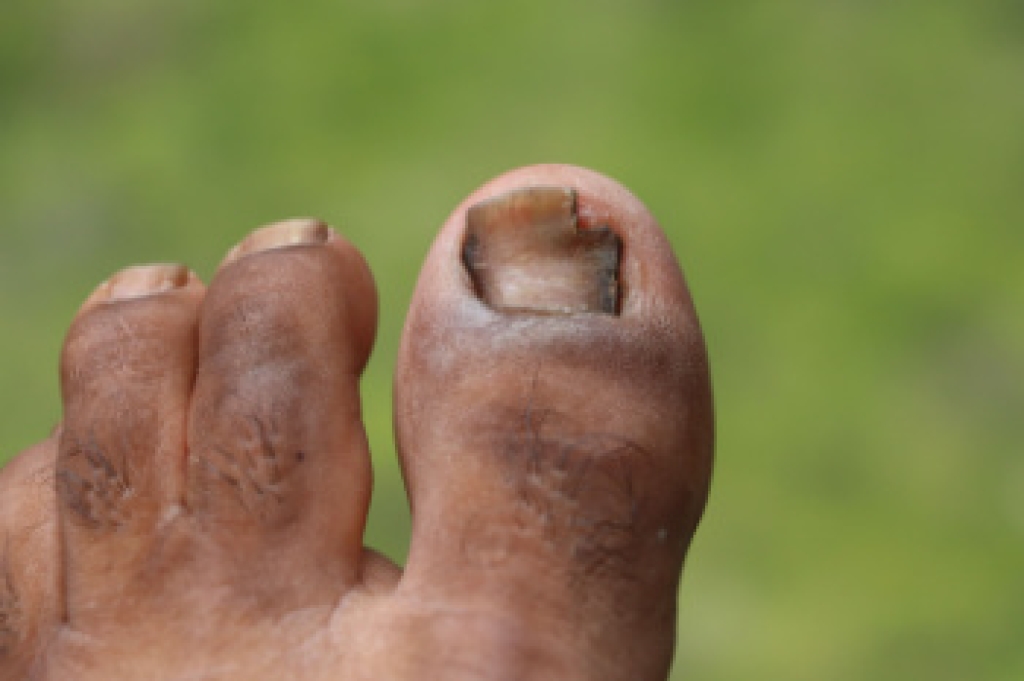
Toenail fungus is one of the most common reasons for thickened toenails. The infection can cause the nail to become discolored, brittle, and enlarged, often appearing yellow, white, or brown. As the nail thickens, it may become harder to trim and can press against the surrounding skin, leading to discomfort. Other causes of thick toenails include repeated trauma from tight shoes, aging, or underlying skin conditions that affect nail growth. In some cases, the nail may lift from the nail bed or develop a crumbly texture. A podiatrist can evaluate the nail to determine whether the thickening is due to fungal infection or another cause. Treatment options include antifungal medications, professional trimming or thinning of the nail, and guidance on proper foot hygiene and footwear. Early care helps improve comfort and prevent the condition from worsening. If you have thick toenails or signs of a fungal infection, it is suggested that you make an appointment with a podiatrist.
For more information about treatment, contact Dr. Kendall Blackwell of InStride Wilson Podiatry Associates. Our doctor can provide the care you need to keep you pain-free and on your feet.
Toenail Fungus Treatment
Toenail fungus is a condition that affects many people and can be especially hard to get rid of. Fortunately, there are several methods to go about treating and avoiding it.
Antifungals & Deterrence
Oral antifungal medicine has been shown to be effective in many cases. It is important to consult with a podiatrist to determine the proper regiment for you, or potentially explore other options.
Applying foot powder on the feet and shoes helps keep the feet free of moisture and sweat.
Sandals or open toed shoes – Wearing these will allow air movement and help keep feet dry. They also expose your feet to light, which fungus cannot tolerate. Socks with moisture wicking material also help as well.
If you have any questions please contact our office located in Wilson, NC . We offer the newest diagnostic and treatment technologies for all your foot and ankle needs.
