
Custom orthotics, or shoe inserts, should be periodically replaced. Orthotics must fit properly to give you the best results. Protect your feet and ankles!
Custom orthotics, or shoe inserts, should be periodically replaced. Orthotics must fit properly to give you the best results. Protect your feet and ankles!
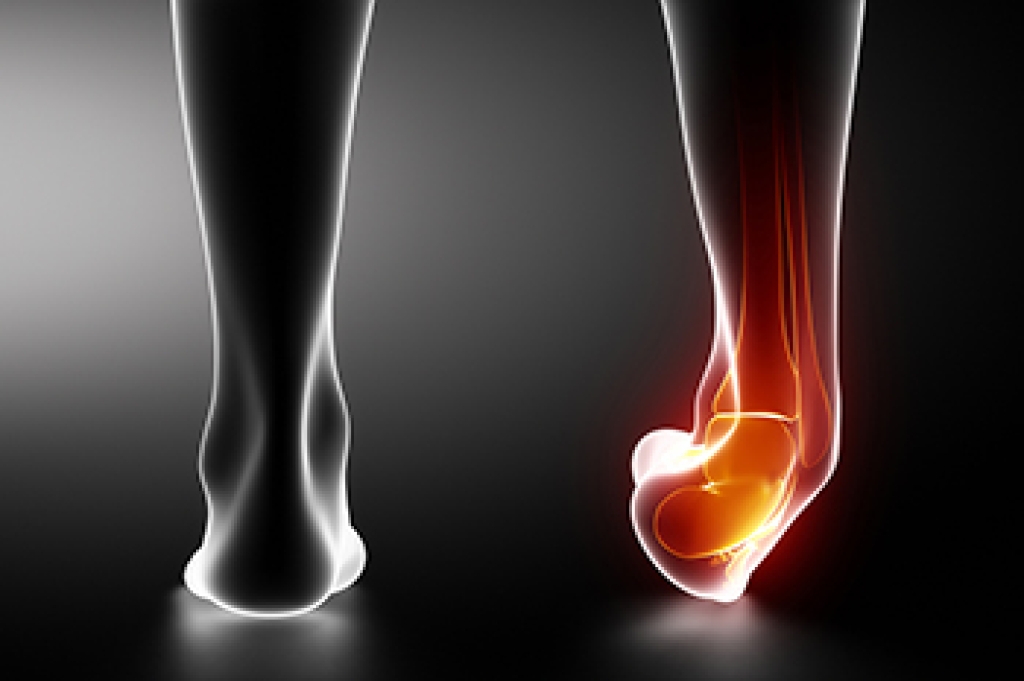
Recurrent ankle sprains occur when the ankle repeatedly twists or rolls. This is often due to weakened ligaments that did not fully heal after a previous injury. This can develop from inadequate rehabilitation, poor balance, or returning to activity too quickly. Symptoms include ongoing pain, swelling, instability, and a frequent feeling that the ankle may give way. Risk factors include participation in sports, uneven surfaces, improper footwear, and reduced strength or coordination. A podiatrist can evaluate ankle stability, assess gait, and recommend treatment. Options include bracing, custom orthotics, and strengthening exercises to restore support and function. Early care is essential to prevent further damage and long-term complications. If you have difficulty with ankle sprains, it is suggested that you consult a podiatrist who can offer effective treatment and rehabilitation tips.
Although ankle sprains are common, they aren’t always minor injuries. If you need your ankle injury looked at, contact Dr. Kendall Blackwell from InStride Wilson Podiatry Associates. Our doctor can provide the care you need to keep you pain-free and on your feet.
How Does an Ankle Sprain Occur?
Ankle sprains are the result of a tear in the ligaments within the ankle. These injuries may happen when you make a rapid shifting movement while your foot is planted. A less common way to sprain your ankle is when your ankle rolls inward while your foot turns outward.
What Are the Symptoms?
Preventing a Sprain
Treatment of a Sprain
In many cases, the RICE method (Rest, Ice, Compression, and Elevate) is used to treat ankle sprains. However, you should see a podiatrist to see which treatment option would work best with your injury. In severe cases, surgery may be required.
It is important to ask your doctor about rehab options after you receive treatment for your injury. Stretching, strength training, and balance exercises may help the ankle heal while also preventing further injury.
If you have any questions, please feel free to contact our office located in Wilson, NC . We offer the newest diagnostic and treatment technologies for all your foot care needs.
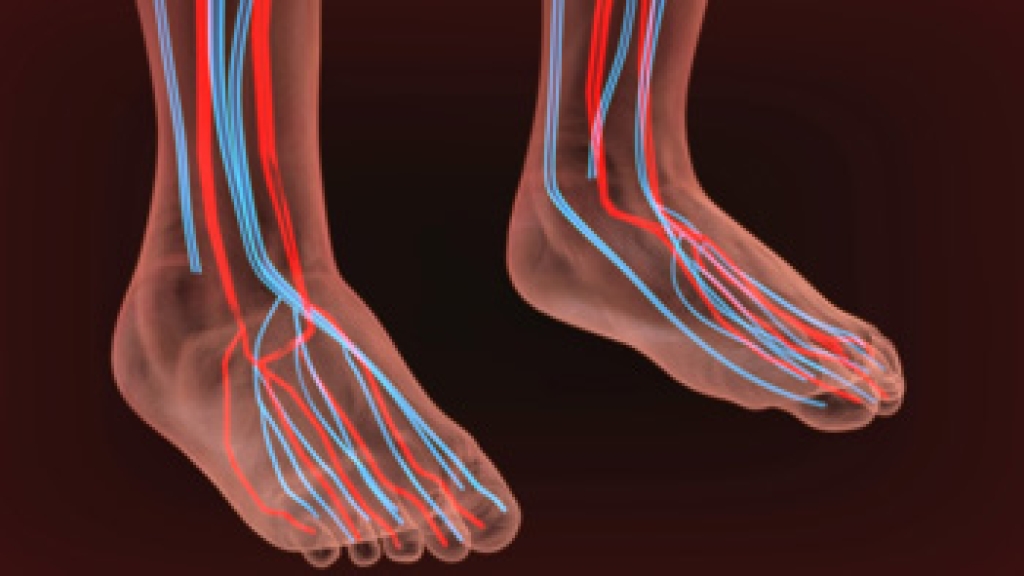
Peripheral vascular disease affects blood flow to the limbs, especially the legs and feet, due to narrowed or blocked blood vessels. It is often caused by a buildup of fatty deposits in the arteries that restrict circulation. Symptoms include leg pain, cramping, slow-healing foot wounds, and changes in skin color or texture. Also, it may cause the feet to become cold and numb. Risk factors include smoking, diabetes, high blood pressure, high cholesterol, and lack of physical activity. Poor circulation can increase the risk of infection and tissue damage. A podiatrist can help by monitoring foot health, managing wounds, and providing guidance to improve circulation and prevent complications. If you notice changes in your feet, and have symptoms of this condition, it is suggested that you seek podiatric care for guidance.
Poor circulation is a serious condition and needs immediate medical attention. If you have any concerns with poor circulation in your feet contact Dr. Kendall Blackwell of InStride Wilson Podiatry Associates. Our doctor will treat your foot and ankle needs.
Poor Circulation in the Feet
Poor blood circulation in the feet and legs is can be caused by peripheral artery disease (PAD), which is the result of a buildup of plaque in the arteries.
Plaque buildup or atherosclerosis results from excess calcium and cholesterol in the bloodstream. This can restrict the amount of blood which can flow through the arteries. Poor blood circulation in the feet and legs are sometimes caused by inflammation in the blood vessels, known as vasculitis.
Causes
Lack of oxygen and oxygen from poor blood circulation restricts muscle growth and development. It can also cause:
Those who have diabetes or smoke are at greatest risk for poor circulation, as are those who are over 50. If you have poor circulation in the feet and legs it may be caused by PAD and is important to make changes to your lifestyle in order to reduce risk of getting a heart attack or stroke. Exercise and maintaining a healthy lifestyle will dramatically improve conditions.
As always, see a podiatrist as he or she will assist in finding a regimen that suits you. A podiatrist can also prescribe you any needed medication.
If you have any questions, please feel free to contact our office located in Wilson, NC . We offer the newest diagnostic and treatment technologies for all your foot care needs.
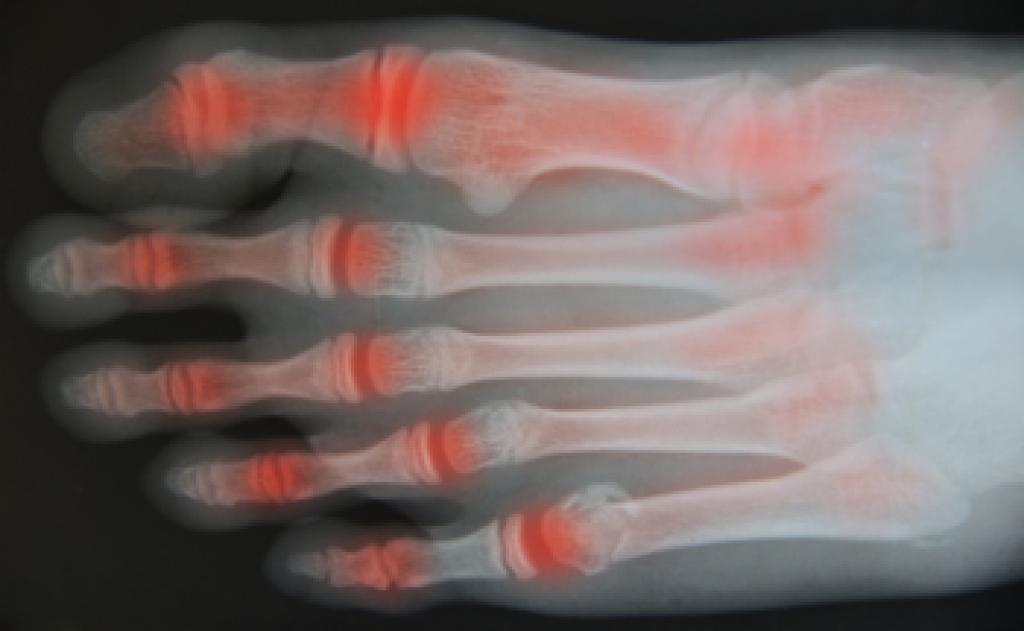
Early onset rheumatoid arthritis is an inflammatory condition that can affect the joints sooner than expected, sometimes beginning in young adulthood or even earlier. It occurs when the immune system mistakenly targets joint tissue, leading to pain, swelling, stiffness, and warmth. The feet and ankles are often among the first areas involved, which can make walking uncomfortable and limit daily activity. Symptoms may come and go at first, but without care, joint changes can become more persistent over time. Early evaluation is important to identify the condition and begin treatment that helps control inflammation and protect joint function. Management may include medication, wearing supportive footwear, and strategies to reduce stress on affected joints. Paying attention to subtle changes, such as morning stiffness or swelling, can make a meaningful difference. If joint pain or stiffness is ongoing for you or your child, it is suggested that you consult a podiatrist for a proper diagnosis and appropriate treatment.
Because RA affects more than just your joints, including the joints in your feet and ankles, it is important to seek early diagnosis from your podiatrist if you feel like the pain in your feet might be caused by RA. For more information, contact Dr. Kendall Blackwell of InStride Wilson Podiatry Associates. Our doctor will assist you with all of your podiatric concerns.
What Is Rheumatoid Arthritis?
Rheumatoid Arthritis (RA) is an autoimmune disorder in which the body’s own immune system attacks the membranes surrounding the joints. Inflammation of the lining and eventually the destruction of the joint’s cartilage and bone occur, causing severe pain and immobility.
Rheumatoid Arthritis of the Feet
Although RA usually attacks multiple bones and joints throughout the entire body, almost 90 percent of cases result in pain in the foot or ankle area.
Symptoms
Diagnosis
Quick diagnosis of RA in the feet is important so that the podiatrist can treat the area effectively. Your doctor will ask you about your medical history, occupation, and lifestyle to determine the origin of the condition. Rheumatoid Factor tests help to determine if someone is affected by the disease.
If you have any questions, please feel free to contact our office located in Wilson, NC . We offer the newest diagnostic and treatment technologies for all your foot care needs.
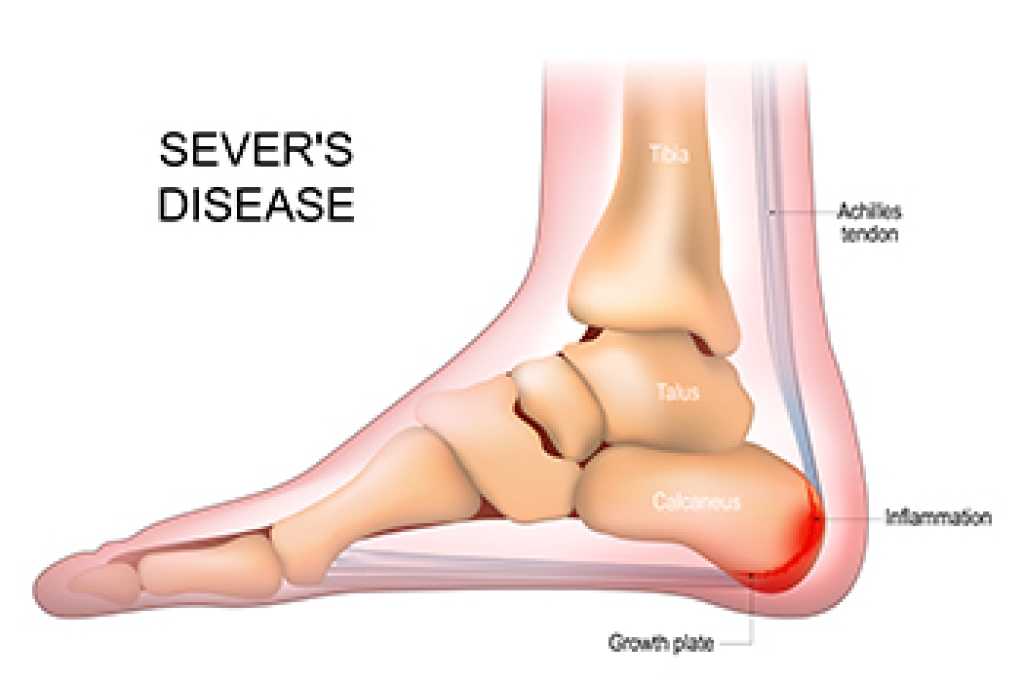
Sever’s disease is a common cause of heel pain in growing children, especially those involved in sports or frequent activity. It occurs when the growth plate in their heel becomes irritated from repetitive stress and pulling of the Achilles tendon. Children may complain of pain at the back or bottom of the heel that worsens with running or jumping and improves with rest. The area may look slightly swollen and feel tender to the touch, and some children may begin to limp or avoid activity. A podiatrist can diagnose Sever’s disease through a physical exam and by reviewing activity levels and growth patterns. Treatment includes supportive footwear, heel cushions, activity modification, and targeted exercises to reduce strain on the heel. Most cases improve as the growth plate matures. If your child has heel pain, it is suggested that you make an appointment with a podiatrist.
Sever's disease often occurs in children and teens. If your child is experiencing foot or ankle pain, see Dr. Kendall Blackwell from InStride Wilson Podiatry Associates. Our doctor can treat your child’s foot and ankle needs.
Sever’s Disease
Sever’s disease is also known as calcaneal apophysitis, which is a medical condition that causes heel pain I none or both feet. The disease is known to affect children between the ages of 8 and 14.
Sever’s disease occurs when part of the child’s heel known as the growth plate (calcaneal epiphysis) is attached to the Achilles tendon. This area can suffer injury when the muscles and tendons of the growing foot do not keep pace with bone growth. Therefore, the constant pain which one experiences at the back of the heel will make the child unable to put any weight on the heel. The child is then forced to walk on their toes.
Symptoms
Acute pain – Pain associated with Sever’s disease is usually felt in the heel when the child engages in physical activity such as walking, jumping and or running.
Highly active – Children who are very active are among the most susceptible in experiencing Sever’s disease, because of the stress and tension placed on their feet.
If you have any questions, please feel free to contact our office located in Wilson, NC . We offer the newest diagnostic and treatment technologies for all your foot care needs.
