
Common Causes of Foot Pain in Women

Foot pain in women may develop from several lifestyle and health-related factors that place stress on the feet. Wearing high heel shoes or shoes that fit improperly can increase pressure on the forefoot and toes, often leading to discomfort, swelling, and deformities over time. Pregnancy may also contribute to foot pain because increased body weight and hormonal changes can affect ligaments and foot stability. Additionally, conditions such as osteoporosis may weaken bone strength, while rheumatoid arthritis can cause joint inflammation, stiffness, and swelling in the feet. Risk factors may include prolonged standing,  wearing improper footwear, and genetic predisposition. A podiatrist can evaluate symptoms and provide personalized treatment. If you have foot pain, it is suggested that you consult a podiatrist who can determine what the cause is, and offer appropriate relief and treatment solutions.

Foot Pain

Foot pain can be extremely painful and debilitating. If you have a foot pain, consult with Dr. Kendall Blackwell from InStride Wilson Podiatry Associates. Our doctor will assess your condition and provide you with quality foot and ankle treatment.

Causes

Foot pain is a very broad condition that could be caused by one or more ailments. The most common include:

  • Bunions
  • Hammertoes
  • Plantar Fasciitis
  • Bone Spurs
  • Corns
  • Tarsal Tunnel Syndrome
  • Ingrown Toenails
  • Arthritis (such as Gout, Rheumatoid, and Osteoarthritis)
  • Flat Feet
  • Injury (from stress fractures, broken toe, foot, ankle, Achilles tendon ruptures, and sprains)
  • And more

Diagnosis

To figure out the cause of foot pain, podiatrists utilize several different methods. This can range from simple visual inspections and sensation tests to X-rays and MRI scans. Prior medical history, family medical history, and any recent physical traumatic events will all be taken into consideration for a proper diagnosis.

Treatment

Treatment depends upon the cause of the foot pain. Whether it is resting, staying off the foot, or having surgery; podiatrists have a number of treatment options available for foot pain.

If you have any questions, please feel free to contact our office located in Wilson, NC . We offer the newest diagnostic and treatment technologies for all your foot care needs.

Read more about Foot Pain

Why Live with Pain and Numbness in Your Feet?

Suffering from this type of pain? You may have the foot condition known as Morton's neuroma. Morton's neuroma may develop as a result of ill-fitting footwear and existing foot deformities. We can help.

Recognizing Toenail Fungus

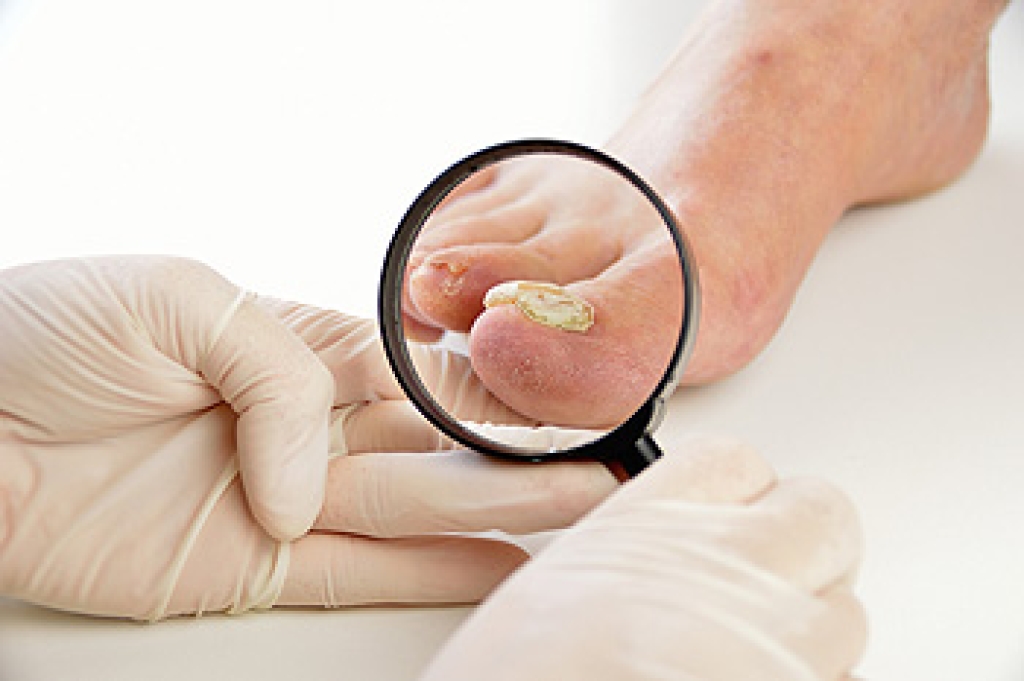
Toenail fungus is a common infection that affects the nails of the feet. It develops when tiny living organisms called fungi enter the nail through small cracks in the nail or surrounding skin. These organisms grow best in warm, moist places, which makes the inside of shoes an ideal environment. Early signs of toenail fungus include yellow, white, or brown discoloration of the nail. The nail may also become thick, brittle, or crumbly. In some cases, the nail may begin to separate from the skin beneath it, which can cause discomfort when wearing shoes. Although the infection may start as a minor cosmetic concern, it can gradually worsen and affect more of the nail if it is not treated. A podiatrist is trained to identify toenail fungus and determine the severity of the infection. They can recommend medical treatments that target the infection and help restore nail health. If you notice changes in your toenails, it is suggested that you make an appointment with a podiatrist for an exam, diagnosis, and treatment.

If left untreated, toenail fungus may spread to other toenails, skin, or even fingernails. If you suspect you have toenail fungus it is important to seek treatment right away. For more information about treatment, contact Dr. Kendall Blackwell of InStride Wilson Podiatry Associates. Our doctor can provide the care you need to keep you pain-free and on your feet.

Symptoms

  • Warped or oddly shaped nails
  • Yellowish nails
  • Loose/separated nail
  • Buildup of bits and pieces of nail fragments under the nail
  • Brittle, broken, thickened nail

Treatment

If self-care strategies and over-the-counter medications does not help your fungus, your podiatrist may give you a prescription drug instead. Even if you find relief from your toenail fungus symptoms, you may experience a repeat infection in the future.

Prevention

In order to prevent getting toenail fungus in the future, you should always make sure to wash your feet with soap and water. After washing, it is important to dry your feet thoroughly especially in between the toes. When trimming your toenails, be sure to trim straight across instead of in a rounded shape. It is crucial not to cover up discolored nails with nail polish because that will prevent your nail from being able to “breathe”.

In some cases, surgical procedure may be needed to remove the toenail fungus. Consult with your podiatrist about the best treatment options for your case of toenail fungus.  

If you have any questions please contact our office located in Wilson, NC . We offer the newest diagnostic and treatment technologies for all your foot and ankle needs.

Read more about How to Treat Your Toenail Fungus

How Diabetic Neuropathy Affects the Feet

Diabetic neuropathy is nerve damage caused by long-term high blood sugar levels. It most often affects the feet and legs. Nerves are like electrical wires that send messages between the brain and the body. When they are damaged, these messages do not travel correctly. Many people experience numbness, tingling, burning, or sharp shooting pain in their feet. Some lose what is called protective sensation, which means they cannot feel cuts, blisters, or pressure. This can lead to sores, infections, and slow healing. Diabetic neuropathy can also weaken muscles, change foot shape, and affect balance, increasing the risk of falls. Because symptoms may develop slowly, regular foot exams are important. A podiatrist can test sensation, check circulation, identify deformities, and create a treatment plan to reduce pain and lower the risk of ulcers and infection. If you have symptoms of diabetic neuropathy, it is suggested that you make an appointment with a podiatrist for an exam, diagnosis, and treatment.

Neuropathy

Neuropathy can be a potentially serious condition, especially if it is left undiagnosed. If you have any concerns that you may be experiencing nerve loss in your feet, consult with Dr. Kendall Blackwell from InStride Wilson Podiatry Associates. Our doctor will assess your condition and provide you with quality foot and ankle treatment for neuropathy.

What Is Neuropathy?

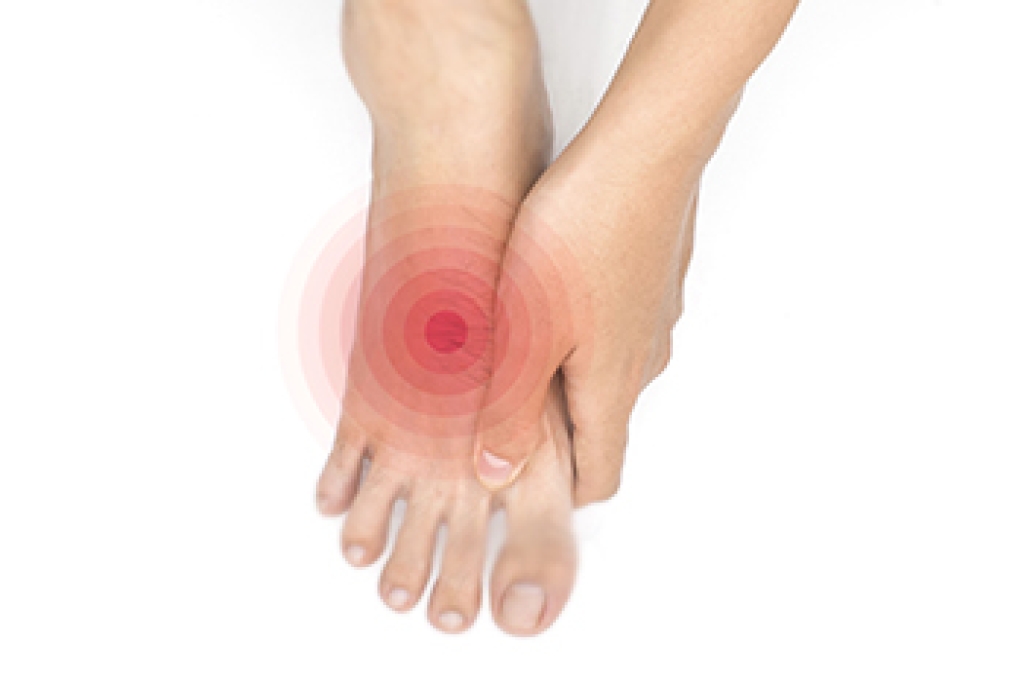
Neuropathy is a condition that leads to damage to the nerves in the body. Peripheral neuropathy, or neuropathy that affects your peripheral nervous system, usually occurs in the feet. Neuropathy can be triggered by a number of different causes. Such causes include diabetes, infections, cancers, disorders, and toxic substances.

Symptoms of Neuropathy Include:

  • Numbness
  • Sensation loss
  • Prickling and tingling sensations
  • Throbbing, freezing, burning pains
  • Muscle weakness

Those with diabetes are at serious risk due to being unable to feel an ulcer on their feet. Diabetics usually also suffer from poor blood circulation. This can lead to the wound not healing, infections occurring, and the limb may have to be amputated.

Treatment

To treat neuropathy in the foot, podiatrists will first diagnose the cause of the neuropathy. Figuring out the underlying cause of the neuropathy will allow the podiatrist to prescribe the best treatment, whether it be caused by diabetes, toxic substance exposure, infection, etc. If the nerve has not died, then it’s possible that sensation may be able to return to the foot.

Pain medication may be issued for pain. Electrical nerve stimulation can be used to stimulate nerves. If the neuropathy is caused from pressure on the nerves, then surgery may be necessary.

If you have any questions, please feel free to contact our office located in Wilson, NC . We offer the newest diagnostic and treatment technologies for all your foot care needs.
Read more about Neuropathy

Foot Blisters Caused by Friction

Friction blisters form when repeated rubbing causes the top layers of skin to separate and fill with fluid. They often develop on the heels, toes, or sides of the feet, especially during walking, exercise, or long periods in new or poorly fitting shoes. Moisture from sweat increases friction, making blisters more likely. At first, a hot or burning feeling may be noticed before a visible bubble appears. While small blisters may heal on their own, larger or broken blisters can become painful and infected. Wearing proper footwear, moisture control, and protective padding can help prevent them. Blisters should not be ignored, particularly in people with diabetes or poor circulation. If a blister becomes red, drains, or does not heal, it is suggested that you see a podiatrist for evaluation and safe treatment.

Blisters are prone to making everyday activities extremely uncomfortable. If your feet are hurting, contact Dr. Kendall Blackwell of InStride Wilson Podiatry Associates. Our doctor can provide the care you need to keep you pain-free and on your feet.

Foot Blisters

Foot blisters develop as a result of constantly wearing tight or ill-fitting footwear. This happens due to the constant rubbing from the shoe, which can often lead to pain.

What Are Foot Blisters?

A foot blister is a small fluid-filled pocket that forms on the upper-most layer of the skin. Blisters are filled with clear fluid and can lead to blood drainage or pus if the area becomes infected.

How Do Blisters Form?

Blisters on the feet are often the result of constant friction of skin and material, usually by shoe rubbing. Walking in sandals, boots, or shoes that don’t fit properly for long periods of time can result in a blister. Having consistent foot moisture and humidity can easily lead to blister formation.

Prevention & Treatment

It is important to properly care for the affected area in order to prevent infection and ease the pain. Do not lance the blister and use a Band-Aid to provide pain relief. Also, be sure to keep your feet dry and wear proper fitting shoes. If you see blood or pus in a blister, seek assistance from a podiatrist.

If you have any questions, please feel free to contact our office located in Wilson, NC . We offer the newest diagnostic and treatment technologies for all your foot care needs.

Read more about Blisters
scroll to top