
Have your child's feet been examined lately? Healthy feet are happy feet. If your child is complaining of foot pain, it may be a sign of underlying problems.
Have your child's feet been examined lately? Healthy feet are happy feet. If your child is complaining of foot pain, it may be a sign of underlying problems.
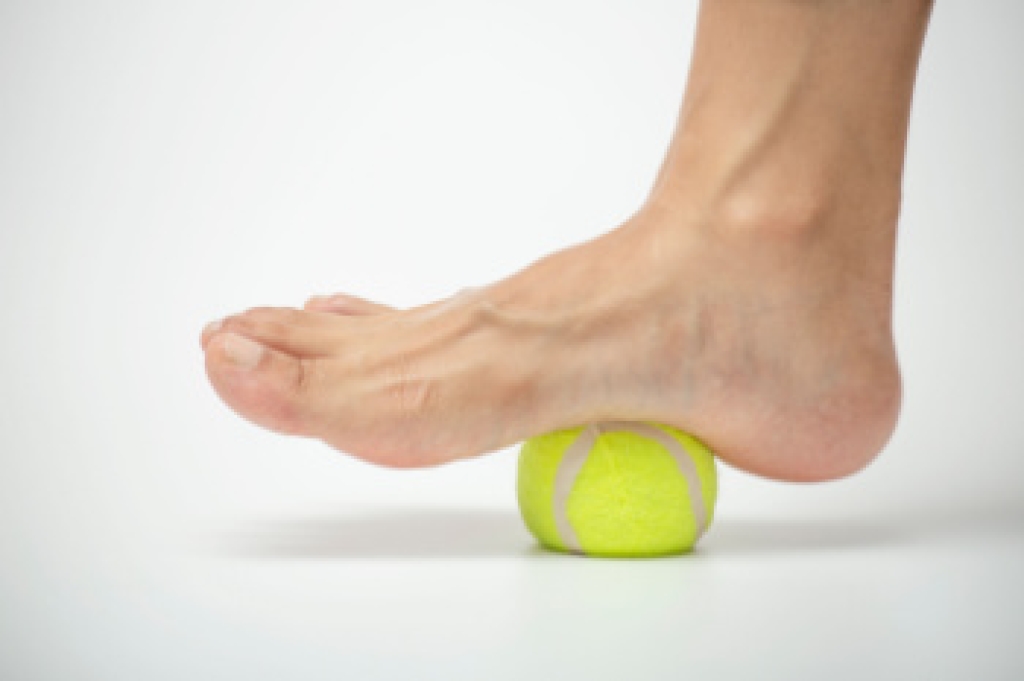
Foot myofascial release is a technique designed to relieve tension within the myofascia, which is connective tissue that supports the muscles and structures of the foot. This method can be performed by rolling the sole of the foot over a tennis ball while applying comfortable pressure. The movement helps mobilize toe joints, hydrate connective tissue, and stimulate nerve endings that support proper function. Regular practice may reduce stiffness, improve circulation, and enhance overall balance by promoting better foot mobility and stability. It can also ease discomfort associated with prolonged standing or activity. A podiatrist can demonstrate proper technique and evaluate underlying concerns. If you have foot pain, it is suggested that you consult a podiatrist who can determine the type of treatment you need, which may include stretches.
Why Stretching Is Important for Your Feet
Stretching the feet is a great way to prevent injuries. If you have any concerns with your feet consult with Dr. Kendall Blackwell from InStride Wilson Podiatry Associates. Our doctor will assess your condition and provide you with quality foot and ankle treatment.
Stretching the Feet
Stretching the muscles in the foot is an important part in any physical activity. Feet that are tight can lead to less flexibility and make you more prone to injury. One of the most common forms of foot pain, plantar fasciitis, can be stretched out to help ease the pain. Stretching can not only ease pain from plantar fasciitis but also prevent it as well. However, it is important to see a podiatrist first to determine if stretching is right for you. Podiatrists can also recommend other ways to stretch your feet. Once you know whether stretching is right for you, here are some excellent stretches you can do.
It is best to go easy when first stretching your foot and work your way up. If your foot starts hurting, stop exercising to ice and rest the foot. It is advised that you then see a podiatrist for help.
If you have any questions please contact our office located in Wilson, NC . We offer the newest diagnostic and treatment technologies for all your foot and ankle needs.

Cracked heels often begin as dry, thickened skin, but pain can develop once the surface splits under pressure. Every step places force on the heel, causing the skin to pull apart and expose sensitive tissue below. This can lead to burning, sharp discomfort, or bleeding. Standing for long periods of time, wearing unsupportive shoes, excess body weight, and reduced skin moisture all contribute to deeper fissures. Certain medical conditions, including diabetes or poor circulation, increase the risk that cracks may worsen or become infected. Warning signs include redness, swelling, drainage, or cracks that do not improve with basic care. While some heel cracks are mild, others can interfere with walking and overall foot health. If heel fissures are painful, deep, or slow to heal, it is suggested that you see a podiatrist for an evaluation and appropriate treatment.
If the skin on your feet starts to crack, you may want to see a podiatrist to find treatment. If you have any concerns, contact Dr. Kendall Blackwell from InStride Wilson Podiatry Associates. Our doctor can provide the care you need to keep you pain-free and on your feet.
Cracked Heels
It is important to moisturize your cracked heels in order to prevent pain, bleeding, and infection. The reason cracked heels form is because the skin on the foot is too dry to support the immense pressure placed on them. When the foot expands, the dry skin on the foot begins to split.
Ways to Help Heal Them
Ways to Prevent Cracked Heels
If you are unsure how to proceed in treating cracked heels, seek guidance from a podiatrist. Your doctor will help you with any questions or information you may need.
If you have any questions, please feel free to contact our office located in Wilson, NC . We offer the newest diagnostic and treatment technologies for all your foot care needs.

Intermittent claudication is a common symptom of peripheral artery disease, or PAD, and reflects reduced blood flow to the legs during activity. Intermittent claudication is a tight, aching, or squeezing pain in the calf, foot, thigh, or buttock. It typically begins after a certain amount of walking or climbing but eases with rest. As circulation becomes more limited, pain may start sooner, walking distance shortens, and legs can feel weak or cramp. Advanced PAD can cause pain at rest, cold or numb toes, slow healing sores, skin color changes, or shiny skin, which signals higher risk to the feet. Because several conditions can mimic intermittent claudication, a podiatrist plays an important role in evaluation, vascular screening, foot exams, and coordination of appropriate care. For help dealing with symptoms of peripheral artery disease, it is suggested that you make an appointment with a podiatrist for an exam, diagnosis, and treatment.
Peripheral artery disease can pose a serious risk to your health. It can increase the risk of stroke and heart attack. If you have symptoms of peripheral artery disease, consult with Dr. Kendall Blackwell from InStride Wilson Podiatry Associates. Our doctor will assess your condition and provide you with quality foot and ankle treatment.
Peripheral artery disease (PAD) is when arteries are constricted due to plaque (fatty deposits) build-up. This results in less blood flow to the legs and other extremities. The main cause of PAD is atherosclerosis, in which plaque builds up in the arteries.
Symptoms
Symptoms of PAD include:
It is important to note that a majority of individuals never show any symptoms of PAD.
Diagnosis
While PAD occurs in the legs and arteries, Podiatrists can diagnose PAD. Podiatrists utilize a test called an ankle-brachial index (ABI). An ABI test compares blood pressure in your arm to you ankle to see if any abnormality occurs. Ultrasound and imaging devices may also be used.
Treatment
Fortunately, lifestyle changes such as maintaining a healthy diet, exercising, managing cholesterol and blood sugar levels, and quitting smoking, can all treat PAD. Medications that prevent clots from occurring can be prescribed. Finally, in some cases, surgery may be recommended.
If you have any questions, please feel free to contact our office located in Wilson, NC . We offer the newest diagnostic and treatment technologies for all your foot care needs.

A broken toe is a fracture of one or more of the small bones in the toe, often resulting from sudden trauma. Common causes include a heavy object falling on the foot, or forceful stubbing against furniture or hard surfaces. Symptoms usually involve pain, swelling, bruising, and difficulty walking. Discolored toenails may appear when bleeding occurs beneath the nail. Diagnosis is typically made through a physical exam and imaging, such as X-rays, to confirm the fracture and its severity. Risk factors include sports activities, poor footwear protection, and balance issues. If you have symptoms of a broken toe, it is suggested that you promptly consult a podiatrist who can provide an accurate diagnosis, stabilize the toe, manage pain, and guide proper healing.
A broken toe can be very painful and lead to complications if not properly fixed. If you have any concerns about your feet, contact Dr. Kendall Blackwell from InStride Wilson Podiatry Associates. Our doctor will treat your foot and ankle needs.
What to Know About a Broken Toe
Although most people try to avoid foot trauma such as banging, stubbing, or dropping heavy objects on their feet, the unfortunate fact is that it is a common occurrence. Given the fact that toes are positioned in front of the feet, they typically sustain the brunt of such trauma. When trauma occurs to a toe, the result can be a painful break (fracture).
Symptoms of a Broken Toe
Generally, it is best to stay off of the injured toe with the affected foot elevated.
Severe toe fractures may be treated with a splint, cast, and in some cases, minor surgery. Due to its position and the pressure it endures with daily activity, future complications can occur if the big toe is not properly treated.
If you have any questions, please feel free to contact our office located in Wilson, NC . We offer the newest diagnostic and treatment technologies for all your foot care needs.
